
Smallmouth yellowfish
A hardy sport fish native to South Africa's Orange-Vaal river system.
The smallmouth yellowfish is a ray-finned species native to the Orange-Vaal river system in Southern Africa. It is a slow-growing, opportunistic feeder prized by anglers and used as an indicator of river health. While currently listed as not threatened, it faces pressure from pollution, invasive species and habitat changes.
- Native to the international Orange-Vaal river system
- Sexually mature at seven years old and 30 cm length
- Eggs have a double shell for survival in rapids
- Prized gamefish supporting a billion-rand angling industry
- Used as an indicator species for river ecological health
What it is
The smallmouth yellowfish is a ray-finned fish belonging to the genus Labeobarbus. It is a hardy and adaptable species known for its ability to thrive in diverse riverine conditions. Adults can reach a mass of around 9 kg. The fish has an olive-green back with black spots and silver bellies, particularly noticeable in juveniles. During the spawning season, males develop sensory papillae on their skin, giving it a rough texture. This species is smaller than some relatives, allowing it to inhabit smaller streams within its range.
Where it lives
This fish is native to the Orange-Vaal river system, which spans South Africa, Lesotho, Botswana and Namibia. The system includes clear mountain streams, turbid middle reaches and nutrient-rich lower sections. Humans have translocated the species to other water bodies, including the Gouritz, Great Fish and Kei river systems. It is also found in the Limpopo river and Kyle Dam in Zimbabwe. The fish prefers clear flowing waters with sandy or rocky bottoms but also thrives in large artificial impoundments.
How it lives
Smallmouth yellowfish are opportunistic omnivores. Their diet varies based on availability and includes plant material, algae, detritus, benthic invertebrates, aquatic insects, crabs, shrimps and small fish. They are slow-growing and do not become sexually active until they reach a fork length of 30 cm, which takes nearly seven years. Juveniles gather in small shoals in favourable habitats. The species serves as an indicator for river health, with healthy populations suggesting good ecological conditions.
Breeding and life cycle
Spawning occurs when water temperatures rise above 19 °C in spring, typically between October and February. Fish migrate in small shoals to shallow rocky areas with fast, oxygenated water. The long spawning window allows them to lay eggs whenever conditions are favourable. Their eggs are relatively large and possess a double shell, which protects them in rough rapids and riffles. Males develop rough sensory papillae on their skin during this period, while females show this trait to a lesser degree.
Fish and people
Anglers highly prize this species, supporting a significant tourism industry centred on the Vaal river. Subsistence fishers also catch them using natural baits like worms and minnows, though targeting spawning fish is discouraged. Conservation groups promote catch-and-release practices and educate anglers on protecting spawning beds. The Free State Department stocks farm dams with wild-caught yellowfish to provide an alternative to alien species. Illegal netting remains a concern, alongside efforts to manage subsistence fishing sustainably.
Status and threats
The species is currently listed as Not Threatened due to its widespread abundance in suitable habitats. However, local populations face serious threats from water pollution, particularly effluent that causes algal blooms and reduces oxygen. Over-abstraction of water dries out river stretches, while dams block migration routes. Invasive species like largemouth bass, carp and grass carp compete for food and prey on eggs. Conservation associations work to manage these threats through education and regulated angling policies.
Questions people ask about Smallmouth yellowfish
Where does the smallmouth yellowfish live?
It is native to the Orange-Vaal river system in Southern Africa. It has also been translocated to the Gouritz, Great Fish, Kei and Limpopo river systems, as well as Kyle Dam in Zimbabwe.
What does the smallmouth yellowfish eat?
It is an opportunistic omnivore. Its diet includes plant material, algae, detritus, aquatic insects, crabs, shrimps and small fish, depending on what is available in its habitat.
Why is the smallmouth yellowfish important for conservation?
It serves as an indicator species for river health. Large numbers of healthy yellowfish suggest the river ecosystem is in good condition. Conservation groups also manage it to protect recreational fisheries.
Good reading and sources
- Smallmouth yellowfish on WikipediaEncyclopedia
- More photos on Wikimedia CommonsPhotos
- Wikidata recordOpen data
The facts on this page come from the Wikipedia article "Smallmouth yellowfish", written by its contributors and used under the CC BY-SA 4.0 licence, and from its Wikidata record (CC0). EveryFish rewrote the text in its own words, with AI assistance, and compares every page with the article to make sure no passage is copied. It may be reused under the same CC BY-SA 4.0 licence with a link back.
It may contain mistakes, and figures change over time. Nothing here is investment or buying advice. If something is wrong, tell us. Last refreshed 2026-11-15.
Like Smallmouth yellowfish
All carps and minnows 🇮🇳 India and 4 moreRohu
A large silver carp from South Asian rivers, farmed for food and prized as a game fish.Carp · Rivers and lakes
 🇫🇷 FranceCommon bleak
A small, silvery freshwater fish found across Europe and Western Asia.Carp · Rivers and lakes
 🇰🇪 Kenya and 4 moreRipon barbel
A large freshwater cyprinid from East African lakes and rivers.Carp · Rivers and lakes · 1900
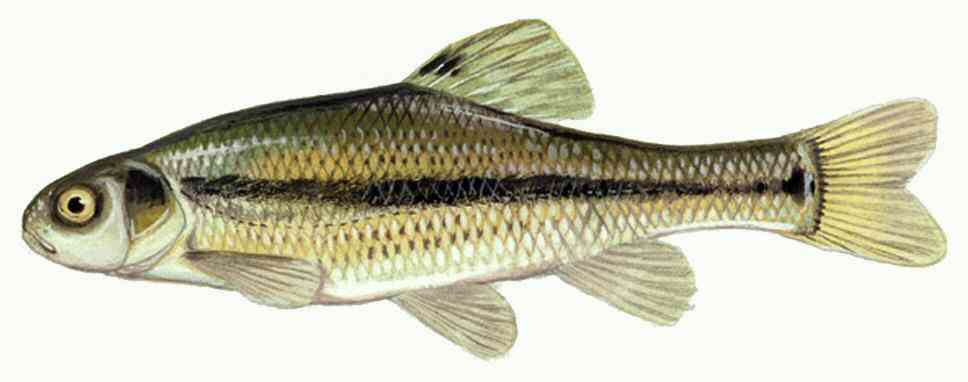 WorldMinnow
Small freshwater fish from the Cyprinidae family used as bait and food.Carp · Rivers and lakes
More from Cyprinidae
All of them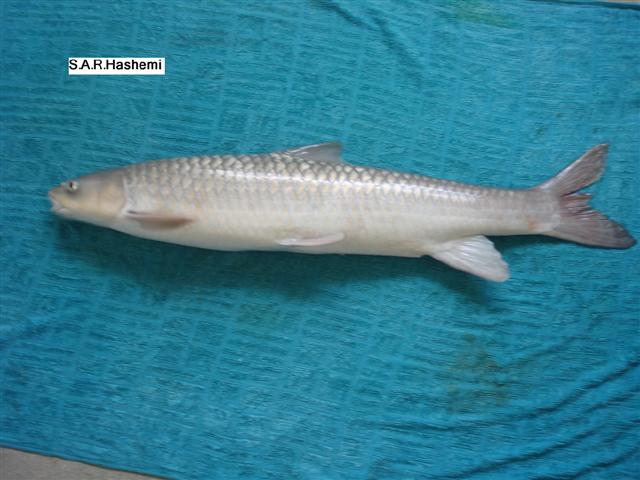 🇮🇷 Iran and 1 moreShabout
A large freshwater carp native to the Tigris-Euphrates basin in Western Asia.Carp · Rivers and lakes
 🇲🇾 Malaysia and 1 moreHarlequin rasbora
A small, colourful freshwater fish popular in home aquariums for its distinctive black body marking.Carp · Rivers and lakes
 🇹🇭 Thailand and 2 moreSiamese mud carp
Freshwater cyprinid native to Mekong and Chao Phraya riversCarp · Rivers and lakes
 WorldLabeobarbus
A genus of mid-sized ray-finned fish widely distributed in eastern and southern Africa.Carp · Rivers and lakes