
Harlequin rasbora
A small, colourful freshwater fish popular in home aquariums for its distinctive black body marking.
The harlequin rasbora is a tiny cyprinid native to Southeast Asia, known for its orange-pink hue and triangular black patch. It became a staple of the aquarium trade after its introduction in the early 1900s due to its peaceful nature and striking appearance.
- Adults reach a maximum length of 5.1 cm.
- Features a distinctive black triangular patch on the rear body.
- Native to peat swamp streams in Southeast Asia.
- Attaches adhesive eggs to plant leaves during breeding.
- Featured on the cover of Innes's Exotic Aquarium Fishes since 1935.
What it is
This species belongs to the carp family and displays a lozenge-shaped body. Its base colour ranges from orange to pink, shifting with water conditions. A large, roughly triangular black marking covers the rear half of the body, starting below the dorsal fin. The fins carry red tints, with the forked tail showing concentrated colour on the outer rays. Males typically have a larger black patch with a rounded section near the anal fin, while ripe females appear fuller. Adults reach about four to five centimetres in length.
Where it lives
Native waters include the Malay Peninsula, Singapore, Sumatra, and Borneo. These fish inhabit streams flowing through peat swamp forests. The soil inhibits leaf decay, creating peat that leaches humic acids into the water. This results in low mineral content and chemistry similar to South American blackwater habitats like the Rio Negro. Populations once thought to be this species in southern Thailand were identified as the related Trigonostigma truncata in 2020.
How it lives
Harlequin rasboras are shoaling fish that thrive in groups of six or more. They are peaceful and suitable for community tanks with other small, calm species like characins, barbs, danios, and Corydoras catfishes. They prefer planted aquaria with moderate filtration and subdued lighting. In their natural habitat, they navigate slow-moving waters. They accept various prepared foods but benefit from live options like Daphnia or mosquito larvae for optimal health.
Breeding and life cycle
Unlike many rasboras, this species attaches eggs to the undersides of plant leaves rather than scattering them. Spawning occurs in soft, acidic water at around twenty-eight degrees Celsius. Pairs adopt an inverted position beneath leaves during reproduction. A female may lay up to three hundred eggs over two hours. Parents are usually removed after spawning to prevent egg consumption. Fry hatch in eighteen hours and require fine food like infusoria before transitioning to brine shrimp.
Fish and people
Introduced in the early 1900s, this fish quickly became a favourite among aquarists. It appeared on the cover of William T. Innes's classic book Exotic Aquarium Fishes in 1935, stamped in gold. The image remained through all nineteen editions. Aquarists value it for its active disposition and the visual impact of large shoals. It is easily maintained in home setups provided water cleanliness is prioritised, though breeding demands specific chemical parameters.
Status and threats
The species is widespread in its native range and commonly bred in captivity. No specific threats or conservation concerns are detailed in the provided material. Its adaptability to varying aquarium conditions, within limits, supports its popularity. The main challenges for keepers involve replicating soft, acidic water chemistry for successful breeding attempts.


Questions people ask about Harlequin rasbora
What does the harlequin rasbora look like?
It has a lozenge-shaped body with an orange-pink base colour. A large, roughly triangular black marking covers the posterior half of the body. The fins are tinted red, particularly the forked tail, which has colour concentrated on the outer rays.
Where does this fish live in the wild?
It is native to the Malay Peninsula, Singapore, Sumatra, and Borneo. It inhabits streams in peat swamp forests where water contains high humic acid levels and low minerals, resembling South American blackwater environments.
How do you breed harlequin rasboras?
They deposit adhesive eggs on plant leaves in soft, acidic water at twenty-eight degrees Celsius. Pairs spawn in an inverted position. Parents should be removed after spawning to protect the eggs, which hatch in eighteen hours.
Can I keep them with other fish?
Yes, they are peaceful and shoal well in groups of six or more. They suit community tanks with similarly sized, calm species like small characins, barbs, danios, and Corydoras catfishes in planted aquaria.
Good reading and sources
- Harlequin rasbora on WikipediaEncyclopedia
- More photos on Wikimedia CommonsPhotos
- Wikidata recordOpen data
The facts on this page come from the Wikipedia article "Harlequin rasbora", written by its contributors and used under the CC BY-SA 4.0 licence, and from its Wikidata record (CC0). EveryFish rewrote the text in its own words, with AI assistance, and compares every page with the article to make sure no passage is copied. It may be reused under the same CC BY-SA 4.0 licence with a link back.
It may contain mistakes, and figures change over time. Nothing here is investment or buying advice. If something is wrong, tell us. Last refreshed 2026-11-15.
Like Harlequin rasbora
All carps and minnows Southeast AsiaClown barb
A spotted freshwater fish from Borneo and Sumatra.Carp · Rivers and lakes
 🇯🇵 JapanKoi
Ornamental carp varieties bred in Japan for decorative ponds.Carp · Rivers and lakes
 Southeast AsiaSiamese algae-eater
A bottom-dwelling freshwater fish from Southeast Asia known for eating red algae in aquariums.Carp · Rivers and lakes
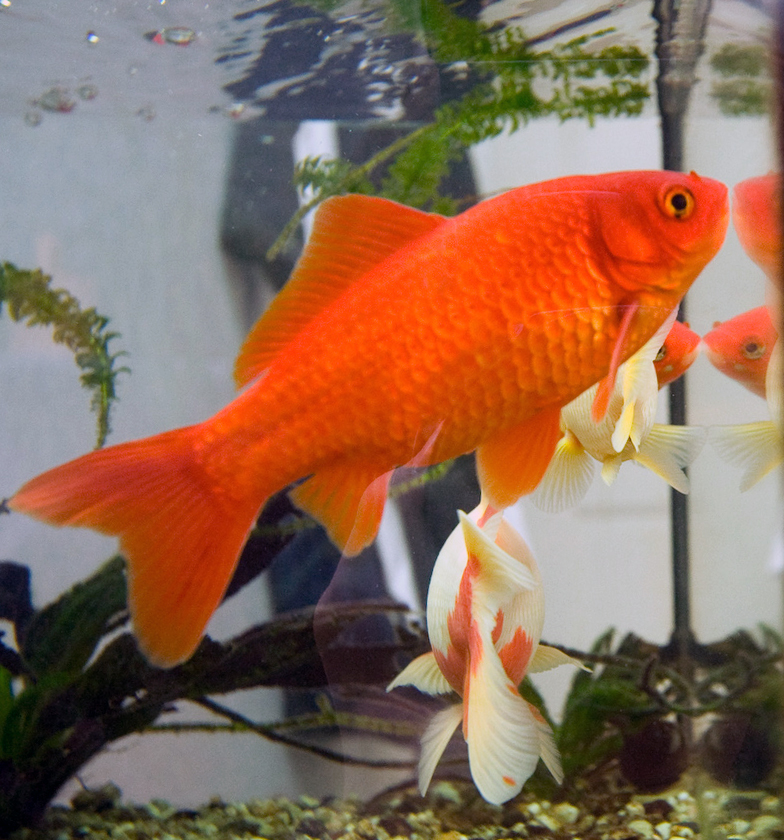 🇨🇳 ChinaGoldfish
A domesticated freshwater carp from China, kept worldwide as a pet and aquarium fish.Carp · Rivers and lakes
More from Cyprinidae
All of them 🇹🇭 Thailand and 2 moreSiamese mud carp
Freshwater cyprinid native to Mekong and Chao Phraya riversCarp · Rivers and lakes
 🇮🇳 India and 4 moreRohu
A large silver carp from South Asian rivers, farmed for food and prized as a game fish.Carp · Rivers and lakes
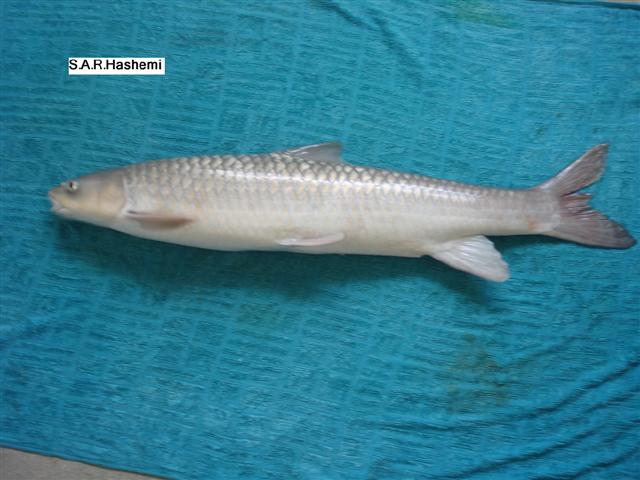 🇮🇷 Iran and 1 moreShabout
A large freshwater carp native to the Tigris-Euphrates basin in Western Asia.Carp · Rivers and lakes
 WorldLabeobarbus
A genus of mid-sized ray-finned fish widely distributed in eastern and southern Africa.Carp · Rivers and lakes