
Siamese algae-eater
A bottom-dwelling freshwater fish from Southeast Asia known for eating red algae in aquariums.
This carp species lives in rivers and streams across Mainland Southeast Asia. It is widely kept in home tanks because it consumes red algae that other fish ignore.
- Can grow up to 15 centimetres within two years.
- Lives for over 10 years in optimal aquarium conditions.
- One of the few fish known to consume red algae.
- Black stripe fades during stress or fighting.
- Requires a covered tank lid to prevent jumping.
What it is
The Siamese algae-eater belongs to the carp family and lives at the bottom of water bodies. It has a distinct black stripe running from its nose to its tail. This marking can fade when the fish feels stressed or fights with others. The true species lacks barbels near its mouth and has a deeply fringed lip. A similar lookalike called the red algae-eater has small barbels and an unfringed lip. Both types are often sold under the same common name in pet shops.
Where it lives
These fish originate from Mainland Southeast Asia. Their natural homes include the Chao Phraya and Mekong river basins as well as the Malay Peninsula. They inhabit flowing streams and rivers. During the rainy season they also move into flooded forest areas. They prefer warm tropical waters and stay close to the substrate rather than swimming in open water.
How it lives
They are active swimmers that often form groups. Some individuals show aggression toward their own kind or related species. They are generally less aggressive than Chinese algae-eaters or rainbow sharks. As opportunistic feeders they eat red algae like Audouinella but will also accept pellets. This feeding habit becomes stronger as they age. They need structures like driftwood or rocks to rest on since they cannot hover in mid-water.
Fish and people
Aquarists value this fish for cleaning tanks of stubborn red algae. It thrives in heavily planted setups with strong lighting. Keepers must ensure tank lids are secure because these fish can jump out. They prefer water temperatures between 24 and 26 degrees Celsius. The pH should range from 6.5 to 8.0 with moderate hardness. While effective cleaners they may become territorial when kept in pairs as they mature.


Questions people ask about Siamese algae-eater
What does the Siamese algae-eater eat?
It primarily eats red algae such as Audouinella. However it is an opportunistic feeder that will also consume pellets and most other available food sources especially as it gets older.
How big do Siamese algae-eaters get?
The true Crossocheilus oblongus grows up to 15 centimetres. The commonly sold lookalike Crossocheilus langei can reach 16 centimetres in length.
Are Siamese algae-eaters aggressive?
They are generally peaceful but some individuals display aggression toward their own kind or related fish. They are notably less aggressive than Chinese algae-eaters or rainbow sharks.
Why do I need a lid for my tank?
Siamese algae-eaters are capable jumpers. You must keep the tank lid properly closed with no large holes to prevent them from escaping the aquarium.
Good reading and sources
- Siamese algae-eater on WikipediaEncyclopedia
- More photos on Wikimedia CommonsPhotos
- Wikidata recordOpen data
The facts on this page come from the Wikipedia article "Siamese algae-eater", written by its contributors and used under the CC BY-SA 4.0 licence, and from its Wikidata record (CC0). EveryFish rewrote the text in its own words, with AI assistance, and compares every page with the article to make sure no passage is copied. It may be reused under the same CC BY-SA 4.0 licence with a link back.
It may contain mistakes, and figures change over time. Nothing here is investment or buying advice. If something is wrong, tell us. Last refreshed 2026-11-15.
Like Siamese algae-eater
All carps and minnows Southeast AsiaClown barb
A spotted freshwater fish from Borneo and Sumatra.Carp · Rivers and lakes
 🇯🇵 JapanKoi
Ornamental carp varieties bred in Japan for decorative ponds.Carp · Rivers and lakes
 🇲🇾 Malaysia and 1 moreHarlequin rasbora
A small, colourful freshwater fish popular in home aquariums for its distinctive black body marking.Carp · Rivers and lakes
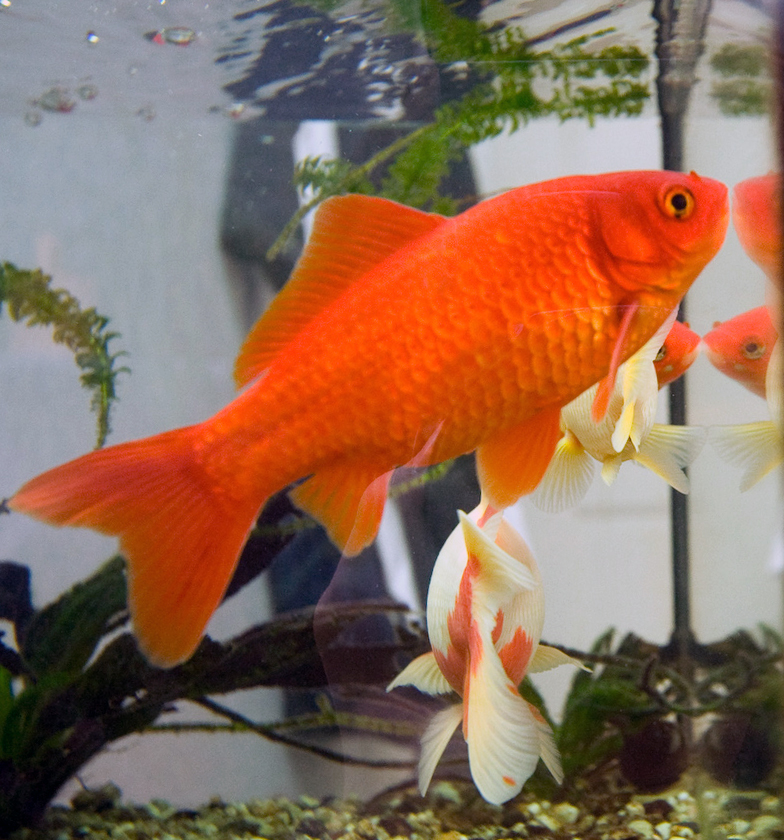 🇨🇳 ChinaGoldfish
A domesticated freshwater carp from China, kept worldwide as a pet and aquarium fish.Carp · Rivers and lakes
More from Cyprinidae
All of them 🇹🇭 Thailand and 2 moreSiamese mud carp
Freshwater cyprinid native to Mekong and Chao Phraya riversCarp · Rivers and lakes
 🇮🇳 India and 4 moreRohu
A large silver carp from South Asian rivers, farmed for food and prized as a game fish.Carp · Rivers and lakes
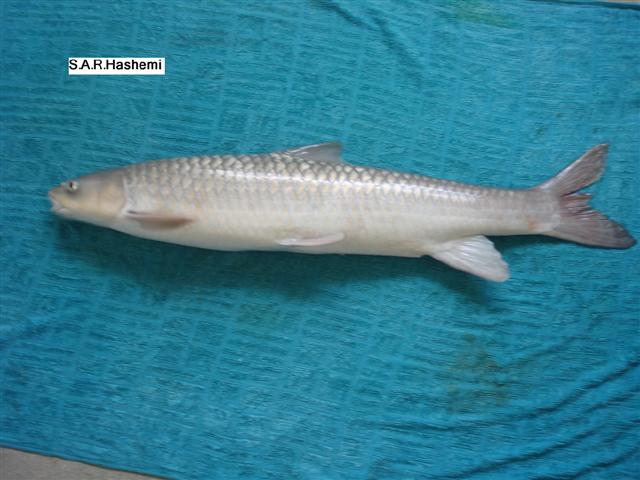 🇮🇷 Iran and 1 moreShabout
A large freshwater carp native to the Tigris-Euphrates basin in Western Asia.Carp · Rivers and lakes
 WorldLabeobarbus
A genus of mid-sized ray-finned fish widely distributed in eastern and southern Africa.Carp · Rivers and lakes