
Koi
Ornamental carp varieties bred in Japan for decorative ponds.
Koi are domesticated ornamental carp originating from Niigata, Japan, in the early nineteenth century. They are kept in outdoor ponds for their vibrant colours and patterns, having spread globally as a popular hobby.
- Breeding started in Niigata Prefecture around 1820.
- Name nishikigoi means brocaded carp in Japanese.
- Popular varieties include kohaku and taisho sanshoku.
- One koi sold for approximately two million dollars in 2018.
- Fish symbolize affection due to wordplay in Japanese language.
What it is
Koi are coloured variants of carp maintained for visual appeal in garden ponds. The term nishikigoi translates to brocaded carp, highlighting their patterned scales. Breeders distinguish varieties by colour combinations such as white, red, black, and yellow, along with metallic shades like platinum. The most celebrated group includes kohaku, taisho sanshoku, and showa sanshoku. These fish display distinct markings on their bodies, often featuring bold patches against lighter backgrounds.
Where it lives
The practice started in the Nijūmuragō area of Niigata Prefecture during the early nineteenth century. Farmers bred these fish in terraced ponds near rice fields. Today, they are kept globally in outdoor water gardens. While originally developed in Japan, affluent collectors from other Asian nations now import high-quality specimens. The hobby has expanded beyond its home region to international markets.
How it lives
Koi are coldwater fish capable of adapting to various climates. They were originally farmed for food before selective breeding focused on aesthetics. Mutations in colour are common but rare in wild populations. Hobbyists maintain them in ponds, often joining clubs to share care knowledge. Predators and environmental conditions influence their health, requiring careful management in captivity.
Breeding and life cycle
Systematic breeding began around 1820 when farmers crossed red, white, and black carp. This produced new colour patterns that became fixed over time. The kohaku variety was established in the 1880s, while taisho sanshoku was defined in 1917. Breeders selected specific traits to create stable lines. Success rates for superior colours remain low, making quality fish valuable.
Fish and people
Koi symbolize love and friendship in Japanese culture due to linguistic homophones. They are sold through pet shops and specialist dealers worldwide. Collectors spend significant sums on premium specimens, with prices reaching millions of dollars. The hobby involves social clubs and exhibitions. Historically, they were also called spotted or variant carp before the name nishikigoi gained popularity.
Status and threats
As domesticated animals, koi are not assessed by conservation groups. Their survival depends on human care and breeding programmes. Overfishing does not apply to these ornamental stocks. However, genetic diversity relies on maintaining traditional breeding lines from Niigata. International trade supports the industry, ensuring continued availability for enthusiasts.


Questions people ask about Koi
What does the name koi mean?
The word koi simply means carp in Japanese. It is a homophone for the word meaning love or affection, which gives the fish symbolic value in Japanese culture representing friendship and romantic bonds.
Where did koi breeding originate?
Systematic breeding of ornamental koi began in the early nineteenth century in the Nijūmuragō area of Niigata Prefecture, Japan. Farmers initially raised them for food before selecting for colourful mutations.
What are the main koi varieties?
The most popular category is the Gosanke, comprising kohaku, taisho sanshoku, and showa sanshoku. These are distinguished by specific colour patterns and scalation, with white, red, and black being primary colours.
Are koi expensive to buy?
Prices vary widely based on quality and lineage. High-quality specimens can cost thousands of dollars, with record sales reaching around two million dollars. Premium fish are often imported from specialist breeders in Japan.
Good reading and sources
The facts on this page come from the Wikipedia article "Koi", written by its contributors and used under the CC BY-SA 4.0 licence, and from its Wikidata record (CC0). EveryFish rewrote the text in its own words, with AI assistance, and compares every page with the article to make sure no passage is copied. It may be reused under the same CC BY-SA 4.0 licence with a link back.
It may contain mistakes, and figures change over time. Nothing here is investment or buying advice. If something is wrong, tell us. Last refreshed 2026-11-15.
Like Koi
All carps and minnows Southeast AsiaClown barb
A spotted freshwater fish from Borneo and Sumatra.Carp · Rivers and lakes
 🇲🇾 Malaysia and 1 moreHarlequin rasbora
A small, colourful freshwater fish popular in home aquariums for its distinctive black body marking.Carp · Rivers and lakes
 Southeast AsiaSiamese algae-eater
A bottom-dwelling freshwater fish from Southeast Asia known for eating red algae in aquariums.Carp · Rivers and lakes
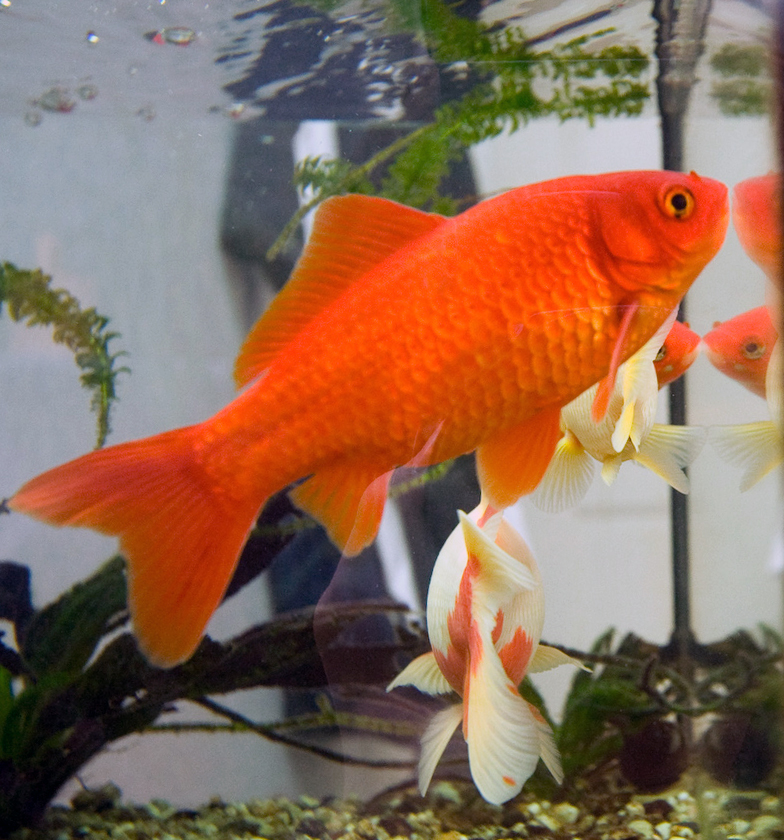 🇨🇳 ChinaGoldfish
A domesticated freshwater carp from China, kept worldwide as a pet and aquarium fish.Carp · Rivers and lakes
More from Cyprinidae
All of them 🇹🇭 Thailand and 2 moreSiamese mud carp
Freshwater cyprinid native to Mekong and Chao Phraya riversCarp · Rivers and lakes
 🇮🇳 India and 4 moreRohu
A large silver carp from South Asian rivers, farmed for food and prized as a game fish.Carp · Rivers and lakes
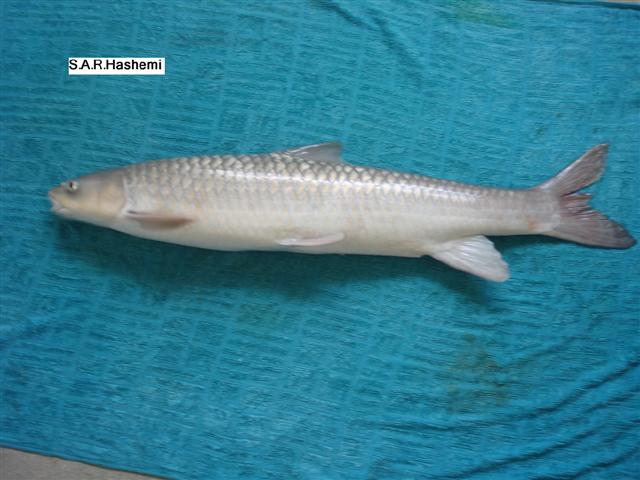 🇮🇷 Iran and 1 moreShabout
A large freshwater carp native to the Tigris-Euphrates basin in Western Asia.Carp · Rivers and lakes
 WorldLabeobarbus
A genus of mid-sized ray-finned fish widely distributed in eastern and southern Africa.Carp · Rivers and lakes