
Clown barb
A spotted freshwater fish from Borneo and Sumatra.
The clown barb is a cyprinid fish native to the forested streams of Borneo and Sumatra. It grows up to 15 centimetres and lives in shallow, clear waters. This species is popular in the aquarium trade but faces threats from habitat loss and pollution.
- Native to clear streams in Borneo and Sumatra
- Grows to a maximum length of 15 centimetres
- Lives in puddles as shallow as 15 centimetres
- Has antimicrobial peptides in its slime coat
- Listed as Least Concern by the IUCN
What it is
The clown barb, also known as Everett's barb, is a species of cyprinid fish. It has a streamlined body typical of the carp family. Adults can reach a maximum total length of 15 centimetres. This fish is native to the islands of Borneo and Sumatra in Southeast Asia. It prefers clear water environments within forested areas.
Where it lives
This species inhabits the forested foothills of Borneo and Sumatra. It is found in clear streams that flow through these wooded regions. The fish is adaptable to very shallow water conditions. It can survive in forest floor puddles that are 15 centimetres deep or less. These habitats are often isolated from larger river systems.
How it lives
The clown barb is an omnivore with a varied diet. It feeds on small crustaceans and worms found in the substrate. Insects and plant material also form part of its daily intake. The fish possesses antimicrobial peptides in its slime coat. These compounds help protect it from bacterial infections and some human pathogens.
Fish and people
This fish is commonly kept in home aquaria due to its appearance. It is a recognised species in the freshwater aquarium trade. Collectors capture wild specimens for sale, which impacts local populations. The fish is not typically used for food or medicinal purposes in recorded traditions.
Status and threats
The International Union for Conservation of Nature lists this species as Least Concern. However, wild numbers are likely decreasing. Habitat loss from deforestation threatens its stream environments. Pollution degrades the clear water it requires. Capture for the aquarium trade also reduces population sizes in the wild.
Questions people ask about Clown barb
Where does the clown barb live?
It is native to Borneo and Sumatra. It lives in clear streams in forested foothills and can be found in shallow forest floor puddles.
What does the clown barb eat?
Its diet consists of small crustaceans, worms, insects and plant material. It is an omnivore that forages in its shallow water habitat.
Is the clown barb endangered?
The IUCN lists it as Least Concern. However, wild populations are likely declining due to habitat loss, pollution and capture for aquaria.
Good reading and sources
The facts on this page come from the Wikipedia article "Clown barb", written by its contributors and used under the CC BY-SA 4.0 licence, and from its Wikidata record (CC0). EveryFish rewrote the text in its own words, with AI assistance, and compares every page with the article to make sure no passage is copied. It may be reused under the same CC BY-SA 4.0 licence with a link back.
It may contain mistakes, and figures change over time. Nothing here is investment or buying advice. If something is wrong, tell us. Last refreshed 2026-11-15.
Like Clown barb
All carps and minnows Southeast AsiaSiamese algae-eater
A bottom-dwelling freshwater fish from Southeast Asia known for eating red algae in aquariums.Carp · Rivers and lakes
 🇲🇾 Malaysia and 1 moreHarlequin rasbora
A small, colourful freshwater fish popular in home aquariums for its distinctive black body marking.Carp · Rivers and lakes
 🇲🇲 Myanmar and 1 moreCelestial pearl danio
A tiny, brightly coloured freshwater fish from Myanmar and Thailand, popular in the aquarium trade.Carp · Rivers and lakes · 2006
 🇮🇳 India and 4 moreRohu
A large silver carp from South Asian rivers, farmed for food and prized as a game fish.Carp · Rivers and lakes
More from Cyprinidae
All of them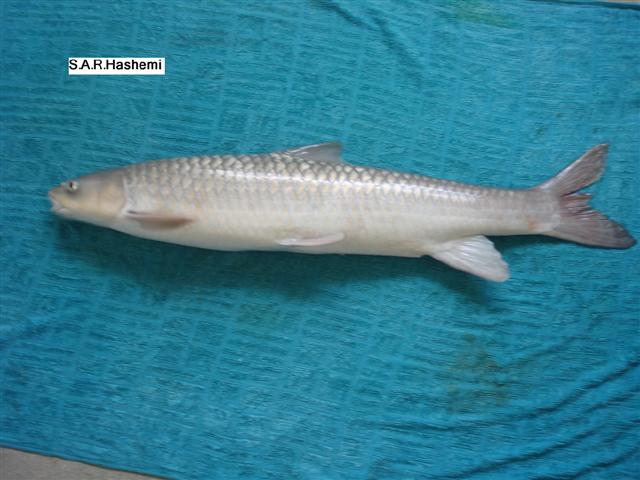 🇮🇷 Iran and 1 moreShabout
A large freshwater carp native to the Tigris-Euphrates basin in Western Asia.Carp · Rivers and lakes
 🇹🇭 Thailand and 2 moreSiamese mud carp
Freshwater cyprinid native to Mekong and Chao Phraya riversCarp · Rivers and lakes
 WorldLabeobarbus
A genus of mid-sized ray-finned fish widely distributed in eastern and southern Africa.Carp · Rivers and lakes
 🇯🇵 JapanNigorobuna
Wild carp from Lake Biwa used for fermented sushi.Carp · Rivers and lakes