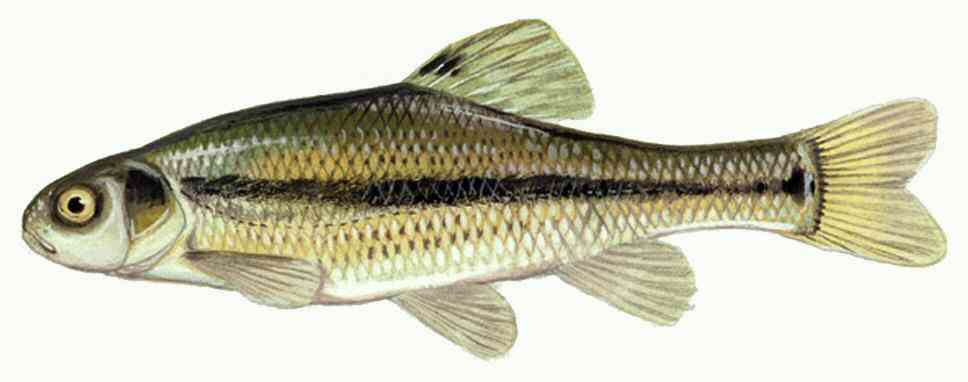
Minnow
Small freshwater fish from the Cyprinidae family used as bait and food.
Minnows are small freshwater fish belonging to several genera within the Cyprinidae family. They are widely distributed across North America, Eurasia, and other regions, serving primarily as bait for anglers and occasionally as a food source for humans and wildlife.
- Minnows belong to the Cyprinidae family, mainly subfamily Leuciscinae.
- They are primarily used as bait fish by anglers in North America.
- Some Native American cultures eat minnows whole if small enough.
- Climate change has a negligible effect on their breeding success.
- The term covers diverse species including deep-sea bioluminescent fish.
What it is
The term minnow describes a collection of small freshwater fish rather than a single species. These creatures belong to the family Cyprinidae, specifically the subfamily Leuciscinae. Anglers often reserve the label "true" minnows for the smaller members of this group. Physical traits vary significantly among the many genera involved. For instance, the bluntnose minnow features an overhanging snout and a dark lateral line ending in a black spot. The common shiner displays silvery sides and a greenish back, with males developing rose-colored fins during breeding season. Sizes typically range from five centimetres to thirteen centimetres in length. Some species, like the emerald shiner, possess a distinctive green band running along their side. Other groups called minnows include deep-sea bioluminescent fish or southern hemisphere galaxiids, showing the name applies loosely across different families.
Where it lives
Minnows inhabit freshwater environments globally, though they are most prominent in North America and Eurasia. In North America, species like the bluntnose minnow thrive in variable water qualities across many regions. The common emerald shiner is abundant in the Great Lakes, particularly Lake Erie. Eurasian minnows belong to the genus Phoxinus. In the Southern Hemisphere, some Galaxias species are referred to as minnows. Southeast Asian danionins also carry the name. Specific locations include the Drakensberg region for Labeobarbus aspius and Lesotho for Pseudobarbus quathlambae. The Falklands minnow refers to the Common galaxias in the Falkland Islands. These fish occupy streams, rivers, and lake shores, adapting to diverse aquatic conditions.
How it lives
These fish exhibit varied behaviours depending on their specific genus and habitat. Many act as primary bait fish due to their abundance and hardiness. The bluntnose minnow tolerates poor water quality, aiding its widespread distribution. Common shiners are mostly stream dwellers, identified by nine anal fin rays. Breeding seasons alter physical appearances; male shiners gain coloured fins to attract mates. Minnows generally breed following rainfall events and within broad temperature limits. This flexibility helps them maintain fitness levels even when climate conditions fluctuate. They avoid skipping spawning cycles despite environmental changes. Their small size makes them vulnerable to various aquatic threats.
Breeding and life cycle
Reproduction occurs readily under mild conditions. Minnows spawn after slight rainfall and tolerate wide temperature variations. This adaptability reduces the risk of skipped spawning years during climatic variability. Climate change poses a negligible threat to their reproductive success according to current presumptions. Eggs develop into young fish that grow rapidly. The common shiner reaches adult size of thirteen centimetres within a year. Breeding males may display enhanced colours, such as rose tails, to signal readiness. The process relies on environmental triggers like rain and temperature shifts rather than strict seasonal calendars.
Fish and people
Humans interact with minnows primarily through fishing and consumption. Anglers use them extensively as bait, especially in North America and the Lake Erie region. The bluntnose and common shiner are popular choices for catching larger predatory fish. Some Native American cultures have historically consumed minnows directly. Small individuals can be eaten whole, providing a direct food source. While not a major commercial food fish, they hold cultural value in specific communities. The term pinkeens is used in Ireland to refer to these fish. Their role in sport fishing supports recreational angling activities worldwide.
Status and threats
However, their high adaptability suggests resilience. They breed easily with minimal rainfall and withstand temperature fluctuations. Climate change is considered to have a negligible impact on their reproduction. Their ability to attain pre-spawning fitness helps them survive environmental changes. No specific threats like dams or pollution are mentioned for the general group. The lack of assessment data means their overall status remains undefined in this context.

Questions people ask about Minnow
What exactly is a minnow?
A minnow is a common name for various small freshwater fish in the Cyprinidae family, particularly the subfamily Leuciscinae. It is not a single species but a group including bluntnose minnows, shiners, and others.
Are minnows edible?
Yes, while mainly used as bait, some people eat them. Native American cultures have used them as food, and small minnows can be consumed whole.
Do minnows reproduce easily?
They breed with slight rainfall and across wide temperature ranges. This flexibility helps them avoid skipped spawning cycles during climate variability.
Where do minnows live?
They inhabit freshwater streams, rivers, and lakes in North America, Eurasia, and parts of the Southern Hemisphere and Southeast Asia.
Good reading and sources
The facts on this page come from the Wikipedia article "Minnow", written by its contributors and used under the CC BY-SA 4.0 licence, and from its Wikidata record (CC0). EveryFish rewrote the text in its own words, with AI assistance, and compares every page with the article to make sure no passage is copied. It may be reused under the same CC BY-SA 4.0 licence with a link back.
It may contain mistakes, and figures change over time. Nothing here is investment or buying advice. If something is wrong, tell us. Last refreshed 2026-11-15.
Like Minnow
All carps and minnows 🇫🇷 FranceCommon bleak
A small, silvery freshwater fish found across Europe and Western Asia.Carp · Rivers and lakes
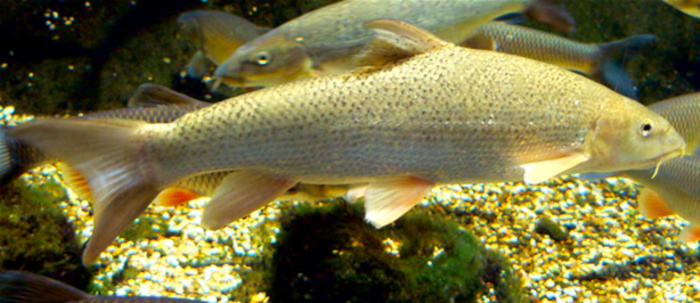 🇬🇧 United Kingdom and 4 moreBarbel
Carp-like freshwater fish with distinctive mouth barbelsCarp · Rivers and lakes
 🇮🇳 India and 4 moreRohu
A large silver carp from South Asian rivers, farmed for food and prized as a game fish.Carp · Rivers and lakes
 🇦🇺 AustraliaCommon roach
A widespread European freshwater fish with red fins.Carp · Rivers and lakes
More from Cyprinidae
All of them 🇹🇭 Thailand and 2 moreSiamese mud carp
Freshwater cyprinid native to Mekong and Chao Phraya riversCarp · Rivers and lakes
 🇲🇾 Malaysia and 1 moreHarlequin rasbora
A small, colourful freshwater fish popular in home aquariums for its distinctive black body marking.Carp · Rivers and lakes
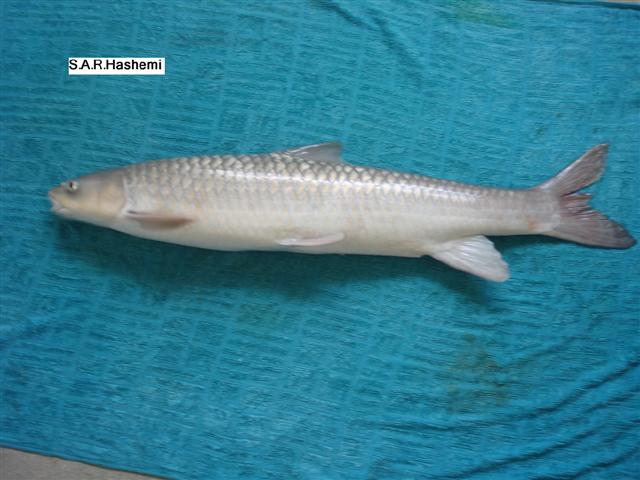 🇮🇷 Iran and 1 moreShabout
A large freshwater carp native to the Tigris-Euphrates basin in Western Asia.Carp · Rivers and lakes
 WorldLabeobarbus
A genus of mid-sized ray-finned fish widely distributed in eastern and southern Africa.Carp · Rivers and lakes