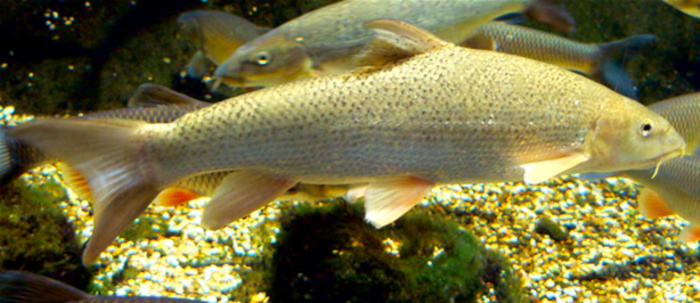
Barbel
Carp-like freshwater fish with distinctive mouth barbels
Barbels are a group of carp-like freshwater fish, mostly within the genus Barbus. They inhabit gravel-bottomed rivers with high oxygen levels across Europe, Asia and Africa. Named for their beard-like sensory whiskers, these fish vary greatly in size and are valued for sport fishing and local food traditions.
- Named for beard-like barbels near the mouth
- Found in high-oxygen gravel-bottomed rivers
- Sizes range from 25 cm to 240 cm in length
- Dalmatian barbelgudgeon spawns in karst caves
- Popular sport fish in northern and eastern Europe
What it is
Barbels are a diverse group of freshwater fish that resemble carp. Most belong to the genus Barbus, though some related species fall under Luciobarbus or other genera. Their name comes from the Latin word for beard, referring to the two pairs of sensory whiskers near their mouths. One pair points forward and slightly down. These fish vary significantly in size. Adults can measure from 25 cm to an impressive 240 cm in length. Weight ranges from 200 grams to 200 kilograms, depending on the specific species and its environment.
Where it lives
These fish inhabit moderate-flowing rivers with gravel or rocky bottoms. Such environments are often called the Barbel zone due to the high dissolved oxygen content required by the fish. They are found across Europe, Asia and Africa. In Europe, the common barbel lives from Great Britain and the Pyrenees to Russia and the Black Sea basin. Mediterranean species reside in Spain and southern France. Asian populations include those in the Tigris-Euphrates system, the Caspian Sea basin and the Amur river. African species live in the Maghreb region, the Nile and the Great Lakes.
How it lives
Barbels are adapted to fast-moving, oxygen-rich waters. They use their barbels to sense food along the riverbed. While most are river dwellers, some species have unique habitat requirements. For example, the Dalmatian barbelgudgeon depends on karst cave systems for spawning. Predation varies by location. In the Iberian Peninsula, certain barbel species serve as prey for many European duck species. The Mangar, or pike barbel, grows exceptionally large, reaching nearly 200 kg, which suggests it occupies a top predatory niche in its ecosystem.
Breeding and life cycle
Spawning habits differ among the various species. Most require clean, oxygenated water for successful reproduction. The Dalmatian barbelgudgeon has a specific reliance on underground karst cave systems to spawn, highlighting the specialized needs of some populations. Other species likely spawn in gravel beds typical of their riverine habitats. Specific details on egg counts or larval development are not provided in the general overview, but the connection to high-oxygen environments remains critical for their reproductive success.
Fish and people
The common barbel is a popular target for sport fishermen in Europe, particularly in the United Kingdom. Anglers value them for their strength and fighting ability. Several species are also consumed as food. In Spain and Portugal, Iberian barbels are eaten locally and by wildlife. The name barbel is sometimes applied to non-cyprinid fish, such as certain catfish in Africa and marine species, which can cause confusion. In France, the Mediterranean barbel goes by many local names, including drogan and truitat, reflecting its cultural presence.
Status and threats
Conservation status varies by species. The Dalmatian barbelgudgeon is listed as endangered. It faces threats due to its specialized reliance on karst cave systems for spawning. Habitat degradation in river systems likely affects other populations, though specific global statuses for all species are not detailed. The common barbel appears stable in many parts of its range, supporting robust sport fishing industries. However, localized pressures from pollution or dam construction could impact specific river populations.
Questions people ask about Barbel
Why are they called barbels?
The name comes from the Latin word barba, meaning beard. It refers to the two pairs of whisker-like sensory organs located on the sides of their mouths. One pair is longer and points forwards and slightly downwards.
How big do barbel fish get?
Size varies greatly by species. A typical adult can range from 25 cm to 240 cm in length. Weights span from 200 grams up to 200 kilograms. The Mangar barbel is one of the largest, reaching nearly 200 kg.
Where do barbel fish live?
They are freshwater fish found in moderate-flowing rivers with gravel or rocky bottoms. These areas, known as the Barbel zone, have high dissolved oxygen. They are native to Europe, Asia and Africa.
Good reading and sources
The facts on this page come from the Wikipedia article "Barbel (fish)", written by its contributors and used under the CC BY-SA 4.0 licence, and from its Wikidata record (CC0). EveryFish rewrote the text in its own words, with AI assistance, and compares every page with the article to make sure no passage is copied. It may be reused under the same CC BY-SA 4.0 licence with a link back.
It may contain mistakes, and figures change over time. Nothing here is investment or buying advice. If something is wrong, tell us. Last refreshed 2026-11-15.
Like Barbel
All carps and minnows 🇫🇷 FranceCommon bleak
A small, silvery freshwater fish found across Europe and Western Asia.Carp · Rivers and lakes
 WorldMinnow
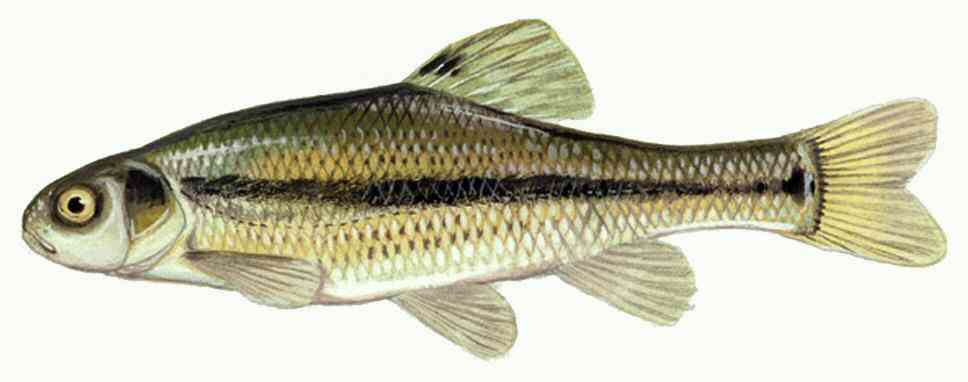
Small freshwater fish from the Cyprinidae family used as bait and food.Carp · Rivers and lakes
 🇮🇳 India and 4 moreRohu
A large silver carp from South Asian rivers, farmed for food and prized as a game fish.Carp · Rivers and lakes
 EuropeAsp
A predatory freshwater fish native to Europe and western Asia.Carp · Rivers and lakes · 1758
More from Cyprinidae
All of them 🇹🇭 Thailand and 2 moreSiamese mud carp
Freshwater cyprinid native to Mekong and Chao Phraya riversCarp · Rivers and lakes
 🇲🇾 Malaysia and 1 moreHarlequin rasbora
A small, colourful freshwater fish popular in home aquariums for its distinctive black body marking.Carp · Rivers and lakes
 🇮🇷 Iran and 1 moreShabout
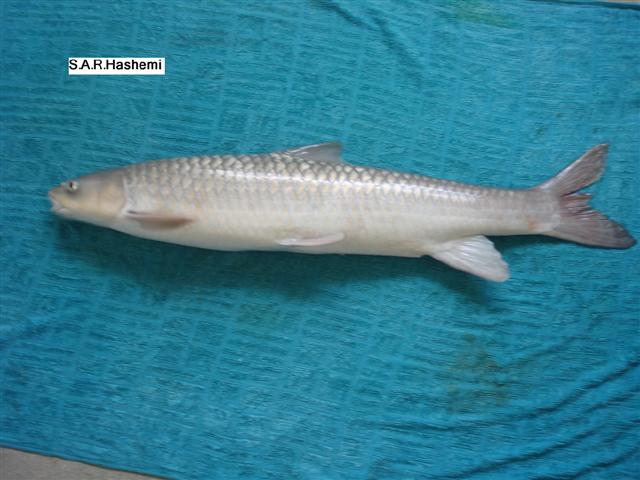
A large freshwater carp native to the Tigris-Euphrates basin in Western Asia.Carp · Rivers and lakes
 WorldLabeobarbus
A genus of mid-sized ray-finned fish widely distributed in eastern and southern Africa.Carp · Rivers and lakes