
Ruffe
A small, aggressive freshwater fish native to Eurasia that has become a major invasive pest in North America.
The ruffe is a temperate freshwater perch found across Europe and northern Asia. It was introduced to the Great Lakes in the 1980s via ship ballast water, where it reproduces rapidly and outcompetes native species like yellow perch for food and habitat.
- Females can lay up to 200,000 eggs per year in shallow spawning grounds.
- Introduced to the Great Lakes via ballast water from freight ships in the 1980s.
- Uses sensitive neuromast organs to detect vibrations for hunting and safety.
- Repelled by its own alarm pheromone, a potential control method under study.
- Maximum recorded length is 29 cm, though most adults are much smaller.
What it is
This small perch displays olive-brown to golden-brown scales on its back, fading to pale sides and white undersides. It resembles the walleye but is distinguished by a large, continuous dorsal fin with sharp front spines and a slightly downturned mouth. Adults typically measure half the maximum length of 29 cm, though they are known for being highly aggressive relative to their size. The spiny fins serve as a deterrent against predators.
Where it lives
Native populations span European and Asian basins connected to the Caspian, Black, Aral, Baltic, and North Seas, extending east to the Kolyma drainage. Introduced ranges include France, northern Italy, Greece, and the Great Lakes of North America. In the Great Lakes, particularly Lake Superior, it thrives in diverse temperatures and habitats, having entered via ballast water from freight ships in the 1980s.
How it lives
Ruffe feed primarily on zoobenthos such as chironomid larvae in the benthic zone. They possess sensitive neuromast organs to detect water vibrations, aiding in foraging and predator avoidance. These sensory organs remain effective as the fish matures, unlike those of related perch which weaken. They are sedentary juveniles that begin active swimming and feeding one week after hatching, forming no schools initially.
Breeding and life cycle
Maturity occurs at two to three years, or within the first year in warmer waters. Females release between 130,000 and 200,000 eggs annually, often in two batches during late winter/early spring and late summer. Eggs hatch in five to twelve days at 10–15 °C. Larvae start as tiny sedentary embryos before becoming active swimmers, growing rapidly in clear or brackish conditions.
Fish and people
The species is recognized as a nuisance invasive organism in the United States due to its ecological impact. Control efforts include boosting natural predator populations like walleye and northern pike. Chemical treatments using lampricide TFM target ruffe specifically. Research also explores repelling them with alarm pheromones released when injured, which could block mating sites without harming other fish.
Status and threats
In the Great Lakes, ruffe compete aggressively with yellow perch for food and space, potentially disrupting local ecosystems. Their high reproductive rate and adaptability allow them to dominate new environments. Conservationists worry about their spread into southern river systems. In Scotland's Loch Lomond, they prey on powan eggs, affecting endemic whitefish populations and altering local food webs dominated by cormorants and herons.
Questions people ask about Ruffe
How did the ruffe get to the Great Lakes?
Scientists believe the ruffe arrived in the Great Lakes through ballast water discharged by anchored freight ships into harbors like Duluth, Minnesota. This introduction occurred in the 1980s, allowing the species to establish itself in North American waters far from its native Eurasian range.
What does the ruffe eat?
The ruffe feeds mainly on zoobenthos, which includes chironomids and small aquatic bug larvae found in the bottom zones of water bodies. This diet remains consistent whether the fish is in its native Eurasian habitats or in the introduced Great Lakes environment.
Why is the ruffe considered dangerous to native fish?
The ruffe reproduces faster than many native species and competes directly for food and space. Its ability to detect vibrations helps it survive and thrive, allowing it to outcompete rivals like the yellow perch. This dominance threatens to disrupt the entire ecosystem of lakes like Superior.
Can the ruffe be controlled chemically?
Yes, the chemical lampricide TFM has been used to kill ruffe while leaving other fish unharmed. However, if any survivors remain, they can rapidly repopulate. Researchers are also investigating the use of alarm pheromones to repel the fish from specific areas without lethal chemicals.
Good reading and sources
The facts on this page come from the Wikipedia article "Ruffe", written by its contributors and used under the CC BY-SA 4.0 licence, and from its Wikidata record (CC0). EveryFish rewrote the text in its own words, with AI assistance, and compares every page with the article to make sure no passage is copied. It may be reused under the same CC BY-SA 4.0 licence with a link back.
It may contain mistakes, and figures change over time. Nothing here is investment or buying advice. If something is wrong, tell us. Last refreshed 2026-11-15.
Like Ruffe
All perches, basses and snappers 🇺🇸 United States and 2 morePumpkinseed
A small freshwater fish native to eastern North America, known for its bright colours and red ear flap.Perch-like · Rivers and lakes · 1793
 🇺🇸 United States and 2 moreBluegill
A common North American sunfish known for its blue gill covers and popularity with anglers.Perch-like · Rivers and lakes · 1854
 🇺🇸 United States and 3 moreBlack crappie
A spotted freshwater sunfish native to North America, prized by anglers for its sport and table fare.Perch-like · Rivers and lakes · 1856
 🇺🇸 United States and 2 moreGreen sunfish
A small, aggressive freshwater fish native to North America, known for its blue-green colour and invasive potential in nPerch-like · Rivers and lakes
More from Percidae
All of them 🇩🇪 Germany and 4 moreZingel
A fast-water perch from southeastern Europe.Perch-like · Rivers and lakes · 1766
 🇺🇸 United States and 1 moreSauger
A freshwater perch species native to North American rivers.Perch-like · Rivers and lakes · 1834
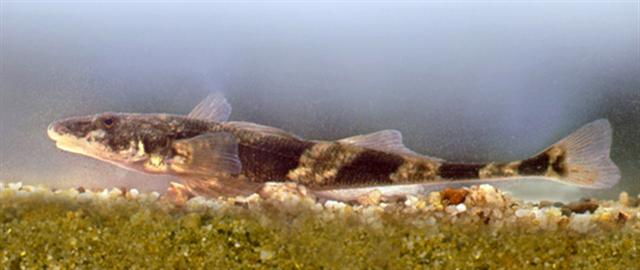 🇦🇹 Austria and 4 moreStreber
A small freshwater perch found in fast-flowing European rivers.Perch-like · Rivers and lakes