
Green sunfish
A small, aggressive freshwater fish native to North America, known for its blue-green colour and invasive potential in n
The green sunfish (Lepomis cyanellus) is a species of centrarchid fish found across much of North America. It grows up to 30 cm long and is often kept in aquariums, though it can become an invasive pest when introduced to new regions outside its native range.
- Reaches a maximum length of 30 cm (12 inches).
- Males build nests and guard eggs for three to five days.
- Classified as invasive in several US states including Florida.
- Frequently hybridizes with other sunfish species.
- Tolerates muddy water and sediment pollution effectively.
What it is
The green sunfish is a small freshwater fish belonging to the sunfish family. Adults typically measure between seven and fifteen centimetres, though they can reach thirty centimetres. The body displays a blue-green hue on the back and sides, with yellow flecks on the scales and bright orange or yellow edges on the fins. Males show broken blue stripes on their gill covers. Identification can be tricky because this species frequently mates with other sunfish, creating hybrids that blend physical traits of both parents.
Where it lives
This fish originates in North America, spanning from the Hudson Bay basin in Canada down to the Gulf Coast and northern Mexico. Its native range extends west to the Rocky Mountains and east to the Appalachian Mountains. It is indigenous to major systems like the Great Lakes and parts of the Mississippi River basin. Humans have introduced the species to many other US states and countries in Africa, Asia, and Europe. In places like Arizona, California, and Florida, it is classified as an invasive pest due to its ability to displace native fish.
How it lives
Green sunfish are omnivores that feed on aquatic insects, crayfish, snails, small fish, and even turtle food. They prefer sluggish waters with cover such as submerged logs, rocks, and plants. These fish tolerate muddy conditions and sediment pollution well. They are known for being aggressive, often chasing away other sunfish from preferred habitats. In aquariums, they may eat smaller tank mates but can coexist with larger catfish or minnows if space allows.
Breeding and life cycle
Mating occurs in summer when water temperatures rise. Males clear depressions in the substrate near shelter to create nests. They defend these sites using visual displays and physical force. After attracting a female through grunts and courtship swimming, she deposits two thousand to twenty-six thousand eggs. The male guards the nest, fanning the eggs to provide oxygen until they hatch in three to five days. Fry leave the nest shortly after hatching. Males often mate with multiple females in one season.
Fish and people
Anglers sometimes catch green sunfish, though they are not always prized targets due to their small size. Hobbyists keep them in aquariums, feeding them flakes, pellets, and live prey. Conservation efforts in some US states require anglers to destroy caught individuals or report them, as the species threatens local ecosystems. Florida requires permits for possession, while New Jersey mandates reporting catches. Their aggressive nature makes them difficult to house with other similar fish in confined spaces.
Status and threats
The species is listed as least concern globally due to its wide distribution and adaptability. However, it poses significant ecological risks in introduced ranges. Its high reproductive rate, tolerance for polluted water, and interference competition with native species drive its invasive status. Management strategies include legal restrictions on possession and mandatory destruction upon capture in affected states. Hybridization with other sunfish species further complicates conservation efforts in areas where multiple species coexist.


Questions people ask about Green sunfish
How big does a green sunfish get?
Adults typically measure between 7.6 and 15.2 cm. The maximum recorded length is 30 cm, with a weight of up to 960 grams. Most individuals remain under a pound in weight.
Is the green sunfish dangerous to humans?
No, it is not dangerous to humans. It is an aggressive fish towards other aquatic animals, particularly other sunfish. It may bite if handled roughly but poses no threat to people.
Why is it considered invasive?
It displaces native fish by chasing them from habitat, tolerates pollution, and reproduces rapidly. It also hybridizes with other sunfish, potentially altering local gene pools.
What do green sunfish eat?
They are omnivores eating insects, larvae, crayfish, snails, small fish, eggs, and plant material. In captivity, they accept flakes, pellets, and live prey like brine shrimp.
Good reading and sources
- Green sunfish on WikipediaEncyclopedia
- More photos on Wikimedia CommonsPhotos
- Wikidata recordOpen data
The facts on this page come from the Wikipedia article "Green sunfish", written by its contributors and used under the CC BY-SA 4.0 licence, and from its Wikidata record (CC0). EveryFish rewrote the text in its own words, with AI assistance, and compares every page with the article to make sure no passage is copied. It may be reused under the same CC BY-SA 4.0 licence with a link back.
It may contain mistakes, and figures change over time. Nothing here is investment or buying advice. If something is wrong, tell us. Last refreshed 2026-11-15.
Like Green sunfish
All perches, basses and snappers 🇺🇸 United States and 2 morePumpkinseed
A small freshwater fish native to eastern North America, known for its bright colours and red ear flap.Perch-like · Rivers and lakes · 1793
 🇺🇸 United States and 2 moreBluegill
A common North American sunfish known for its blue gill covers and popularity with anglers.Perch-like · Rivers and lakes · 1854
 🇺🇸 United States and 2 moreRock bass
A small, red-eyed freshwater sunfish native to North America.Perch-like · Rivers and lakes
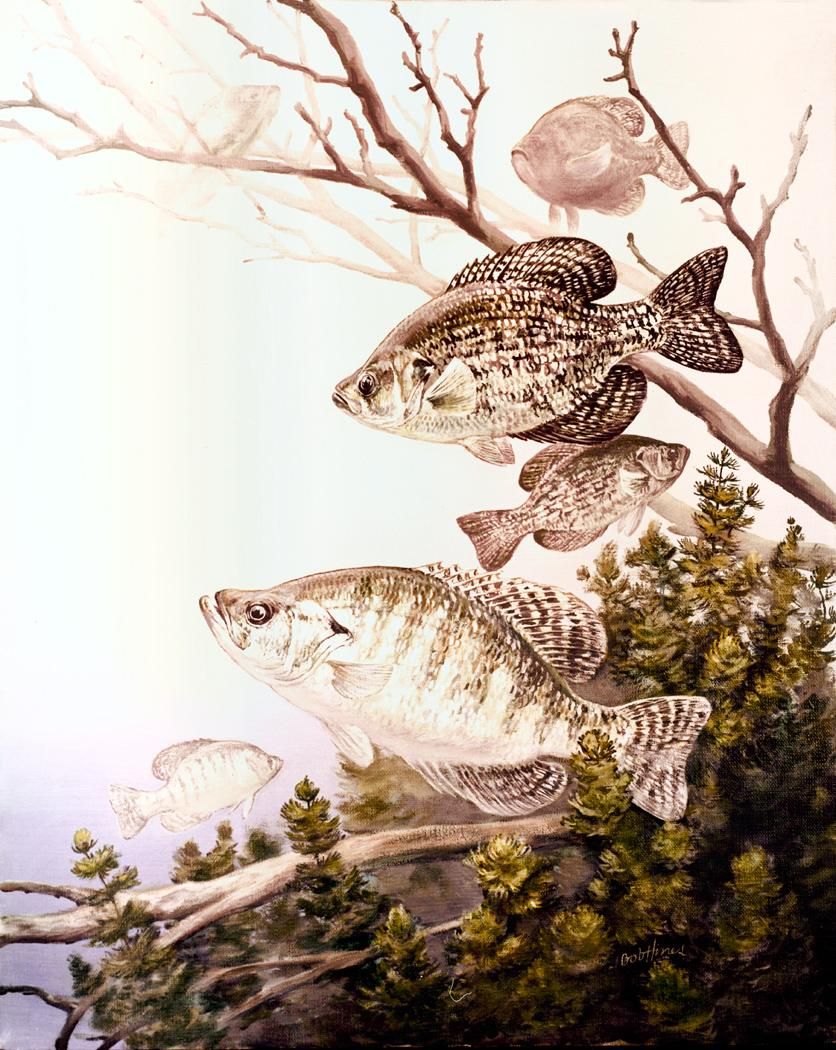 🇺🇸 United StatesCrappie
Two species of North American freshwater sunfish prized by anglers for sport and food.Perch-like · Rivers and lakes
More from Centrarchidae
All of them 🇺🇸 United StatesSpotted bass
A North American freshwater fish known for dark spots below its lateral line.Other · Rivers and lakes
 🇺🇸 United StatesGuadalupe bass
A rare Texas endemic black bass prized by anglers for its fighting spirit.Other · Rivers and lakes
 🇺🇸 United States and 4 moreLargemouth bass
A large freshwater predator native to North America, prized by anglers and invasive in many regions.Other · Rivers and lakes · 1802
 🇺🇸 United States and 3 moreBlack crappie
A spotted freshwater sunfish native to North America, prized by anglers for its sport and table fare.Perch-like · Rivers and lakes · 1856