
Empurau
A large Southeast Asian river fish prized for its high market value.
The empurau is a mahseer species native to Southeast Asian rivers and islands. It migrates between headwaters and downstream areas, eating fruits and seeds. Overfishing threatens wild stocks, though captive breeding is possible with specific care.
- Known as the most expensive edible fish in Malaysia
- Eats toxic fruits which can make it temporarily inedible
- Migrates upstream to spawn in the dry season
- Can be farmed with artificial hormone induction
- Native to Thailand, Myanmar, Indonesia and Malaysia
What it is
The empurau is a type of mahseer found in Southeast Asia. It belongs to the carp family. This fish lives in fresh water and moves between different parts of the river system. It is known for its high value in local markets. The species may be the same as Tor tambra or Tor douronensis, according to some taxonomic suggestions.
Where it lives
This fish inhabits river basins across Southeast Asia. Its range extends from the Chao Phraya and Mekong systems in Thailand to the Greater Sunda Islands. Reports also place it in Burma. The type specimen comes from Sumatra in Indonesia. It lives in streams that may flood surrounding forests during heavy rains.
How it lives
The empurau is an omnivore. It consumes various foods, including fruits that fall into the water. Sometimes it eats toxic fruits when floods connect the forest to the stream. This diet can make the flesh temporarily unsafe for humans. Juveniles move downstream during the rainy season. Adults return upstream later in the year.
Breeding and life cycle
Mature fish travel back to the headwaters to spawn. This migration happens in the dry season. Captive breeding requires artificial hormones to induce reproduction. The fish need moving, well-oxygenated water to thrive in captivity. They have been hybridized with Barbonymus gonionotus using induced spawning techniques.
Fish and people
In Malaysia, this fish is called empurau and is considered the most expensive edible fish. Prices can reach RM1800 per kilogram. It is farmed in captivity, where keepers feed it fruits and seeds to mimic its natural diet. Wild populations face pressure from overfishing, although exact data is lacking.
Status and threats
The International Union for Conservation of Nature has not assigned a specific status due to insufficient data. However, overfishing is believed to threaten wild numbers. Conservation efforts are complicated by the high market demand for the fish. More research is needed to understand population trends.
Questions people ask about Empurau
Why is the empurau so expensive?
It is highly prized in Malaysia and can fetch up to RM1800 per kilogram. Its rarity and unique taste contribute to this high market value.
What does the empurau eat?
It is omnivorous and eats various foods. It sometimes consumes toxic fruits when floods bring them into the stream, which can affect its edibility.
Can empurau be farmed?
Yes, it can be grown in captivity. It requires moving, oxygen-rich water and a diet of fruits and seeds. Artificial hormones may be needed for breeding.
Good reading and sources
- Tor tambroides on WikipediaEncyclopedia
- More photos on Wikimedia CommonsPhotos
- Wikidata recordOpen data
The facts on this page come from the Wikipedia article "Tor tambroides", written by its contributors and used under the CC BY-SA 4.0 licence, and from its Wikidata record (CC0). EveryFish rewrote the text in its own words, with AI assistance, and compares every page with the article to make sure no passage is copied. It may be reused under the same CC BY-SA 4.0 licence with a link back.
It may contain mistakes, and figures change over time. Nothing here is investment or buying advice. If something is wrong, tell us. Last refreshed 2026-11-15.
Like Empurau
All carps and minnows 🇮🇳 India and 4 moreRohu
A large silver carp from South Asian rivers, farmed for food and prized as a game fish.Carp · Rivers and lakes
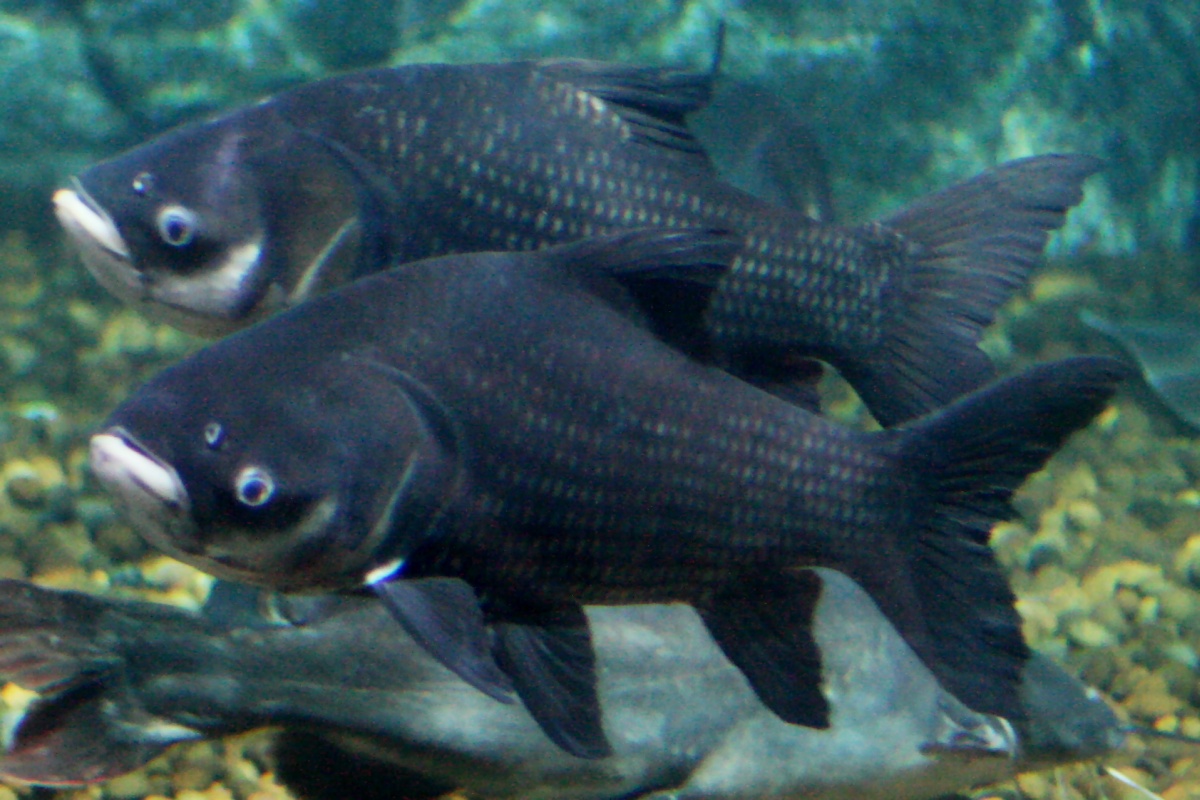 🇰🇭 Cambodia and 2 moreGiant barb
The largest cyprinid fish, native to major river basins in Southeast Asia.Carp · Rivers and lakes
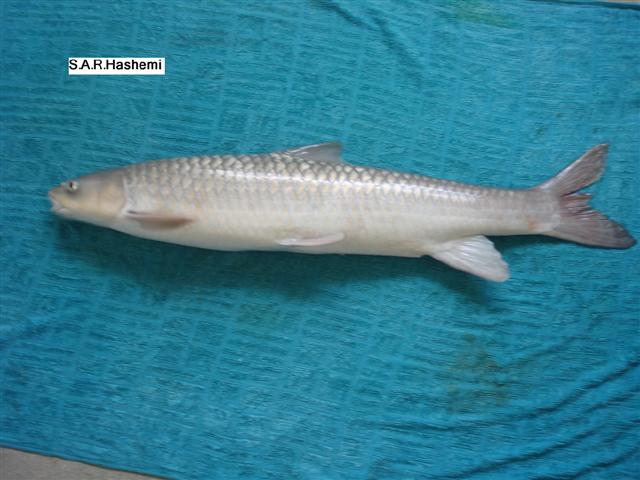 🇮🇷 Iran and 1 moreShabout
A large freshwater carp native to the Tigris-Euphrates basin in Western Asia.Carp · Rivers and lakes
 🇹🇭 Thailand and 4 moreJullien's golden carp
Endangered Southeast Asian river fish with five stripesCarp · Rivers and lakes
More from Cyprinidae
All of them 🇲🇾 Malaysia and 1 moreHarlequin rasbora
A small, colourful freshwater fish popular in home aquariums for its distinctive black body marking.Carp · Rivers and lakes
 WorldLabeobarbus
A genus of mid-sized ray-finned fish widely distributed in eastern and southern Africa.Carp · Rivers and lakes
 🇹🇭 Thailand and 2 moreSiamese mud carp
Freshwater cyprinid native to Mekong and Chao Phraya riversCarp · Rivers and lakes
 🇯🇵 JapanNigorobuna
Wild carp from Lake Biwa used for fermented sushi.Carp · Rivers and lakes