
Jullien's golden carp
Endangered Southeast Asian river fish with five stripes
This large freshwater cyprinid inhabits major river basins across Southeast Asia. It faces severe threats from dam construction, pollution and overfishing for luxury food markets. Conservation efforts include breeding programmes and international oversight of hydropower projects.
- Grows up to 165 cm long and 70 kg heavy
- Migrates upstream to spawn in dry season pools
- Five longitudinal stripes mark its body
- Highly prized as expensive luxury food
- Threatened by hydropower dams and pollution
What it is
This ray-finned fish belongs to the carp and minnow family. It grows very large, reaching lengths of 165 cm and weights near 70 kg. The body features five distinct longitudinal stripes above the lateral line. Maxillary barbels near the mouth act as sensory organs. A single spine supports the dorsal fin, which also has nine branched rays. Pharyngeal teeth in the throat help process food. These physical traits help identify it among other freshwater species.
Where it lives
Historically, this species lived in several major river systems including the Mekong, Irrawaddy and Chao Phraya. Its range covered Thailand, Laos, Cambodia, Vietnam, Myanmar and Malaysia. Today, populations remain primarily in the Mekong Basin. Smaller groups exist in the Pahang and Perak rivers. The fish prefers clear pools and fast-moving rapids. Water depth preferences shift with the seasons, moving from deep areas in rain to shallow zones in dry periods.
How it lives
Diet consists of freshwater shellfish, prawns and aquatic vegetation. Feeding activity increases during the wet season when resources are plentiful. During dry months, consumption drops due to scarcity. The lifecycle follows monsoon patterns. Seasonal changes dictate movement between different river regions. This dependency on water level shifts makes the species vulnerable to environmental alterations that disrupt natural flow regimes.
Breeding and life cycle
Reproduction involves migration upstream during the dry season. Adults gather in deep pools with low water levels to spawn. After hatching, young fish move into floodplains when rains return. This cycle relies on the transition from dry to wet conditions. Disruption of these migratory paths prevents successful breeding. Maintaining access to spawning grounds is critical for the survival of remaining populations.
Fish and people
Local communities value this fish as a delicacy. High demand drives prices up, making it expensive in restaurants in Malaysia and Myanmar. Wild specimens fetch higher prices than farmed ones, encouraging illegal fishing in protected zones. Aquaculture operations in Laos and Thailand breed them artificially. Large mesh nets at spawning sites capture wild stock, reducing natural reproduction. Government projects aim to boost freshwater fish production for economic gain.
Status and threats
The species is endangered due to habitat loss and overfishing. Hydropower dams block migratory routes essential for spawning. Pollution from deforestation and agriculture degrades water quality. Peat swamp drainage increases river acidity. Sedimentation and erosion affect feeding grounds. International bodies like the Mekong River Commission monitor dam impacts. Conservation sanctuaries in Malaysia breed fish to preserve genetic diversity. Legal protections exist but enforcement remains weak in many areas.

Questions people ask about Jullien's golden carp
Why is Jullien's golden carp so expensive?
It is considered a rare delicacy in Southeast Asia. Wild-caught specimens are preferred over farmed ones, driving up demand. Prices can reach RM1,000 per fish. This high value encourages illegal fishing even in protected conservation areas where regulations restrict capture.
How do dams affect this fish?
Dams block upstream migration routes needed for spawning. Fish get trapped in artificial lakes instead of reaching breeding pools. This disruption prevents reproduction and reduces population numbers. Projects like the Xayaburi Dam threaten to significantly impact migratory movements in the Mekong River.
Where does this fish live?
It inhabits major river basins in Southeast Asia, primarily the Mekong. Smaller populations exist in the Pahang and Perak rivers. The fish prefers clear pools and fast rapids. It moves between deep and shallow waters depending on seasonal rainfall patterns.
What does Jullien's golden carp eat?
Its diet includes freshwater shellfish, prawns and aquatic plants. Feeding intensity varies with seasons. The fish eats more during the wet season when food is abundant. Consumption decreases in the dry season when resources become scarce in the river environment.
Good reading and sources
- Jullien's golden carp on WikipediaEncyclopedia
- More photos on Wikimedia CommonsPhotos
- Wikidata recordOpen data
The facts on this page come from the Wikipedia article "Jullien's golden carp", written by its contributors and used under the CC BY-SA 4.0 licence, and from its Wikidata record (CC0). EveryFish rewrote the text in its own words, with AI assistance, and compares every page with the article to make sure no passage is copied. It may be reused under the same CC BY-SA 4.0 licence with a link back.
It may contain mistakes, and figures change over time. Nothing here is investment or buying advice. If something is wrong, tell us. Last refreshed 2026-11-15.
Like Jullien's golden carp
All carps and minnows 🇯🇵 JapanNigorobuna
Wild carp from Lake Biwa used for fermented sushi.Carp · Rivers and lakes
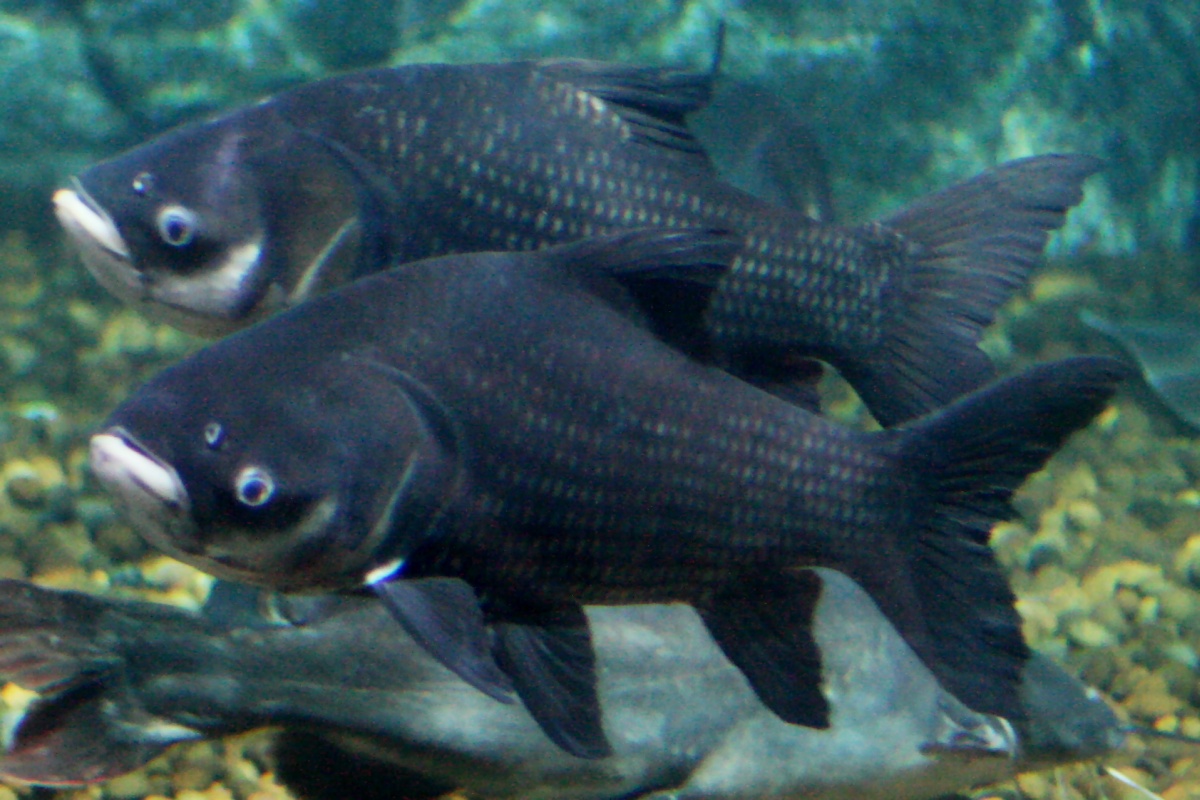 🇰🇭 Cambodia and 2 moreGiant barb
The largest cyprinid fish, native to major river basins in Southeast Asia.Carp · Rivers and lakes
 🇮🇳 India and 4 moreRohu
A large silver carp from South Asian rivers, farmed for food and prized as a game fish.Carp · Rivers and lakes
 🇹🇭 Thailand and 2 moreEmpurau
A large Southeast Asian river fish prized for its high market value.Carp · Rivers and lakes
More from Cyprinidae
All of them 🇹🇭 Thailand and 2 moreSiamese mud carp
Freshwater cyprinid native to Mekong and Chao Phraya riversCarp · Rivers and lakes
 🇲🇾 Malaysia and 1 moreHarlequin rasbora
A small, colourful freshwater fish popular in home aquariums for its distinctive black body marking.Carp · Rivers and lakes
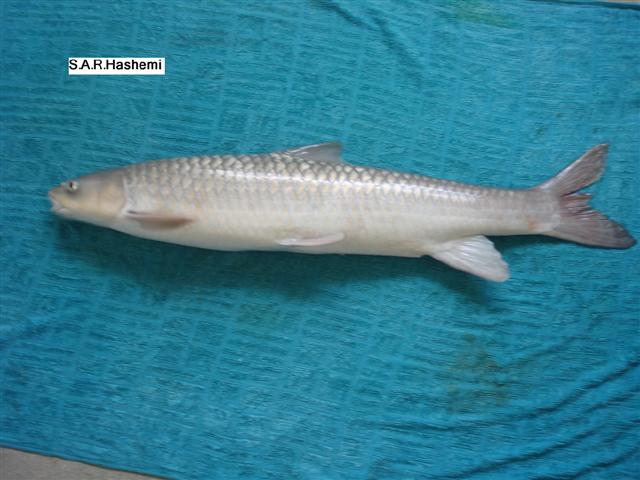 🇮🇷 Iran and 1 moreShabout
A large freshwater carp native to the Tigris-Euphrates basin in Western Asia.Carp · Rivers and lakes
 WorldLabeobarbus
A genus of mid-sized ray-finned fish widely distributed in eastern and southern Africa.Carp · Rivers and lakes