
Tiger barb
Active striped freshwater fish popular in home aquariums.
The tiger barb is a small tropical cyprinid native to Sumatra. It features vertical black stripes and red fins. This active shoaling species is a staple of the global aquarium trade due to its hardiness and varied colour morphs.
- Native to Sumatra river basins in Indonesia
- Grows up to 13 cm in length
- Popular aquarium fish with many colour morphs
- Known for fin-nipping in small groups
- Females can lay up to 500 eggs per spawn
What it is
This tropical cyprinid grows to roughly ten centimetres, though some reach thirteen. Wild specimens display silver or brownish-yellow bodies with four vertical black bands. Their fins and snouts often show bright red hues. Captive breeds include green, gold, and albino variants. The green type appears dark due to light scattering effects, while albinos show faint stripes on pale yellow skin. Males develop intense red colouring on their dorsal and ventral fins when mature.
Where it lives
Native populations inhabit the eastern slopes of Sumatra in Indonesia. They occupy river basins such as the Kampar, Musi, and Batanghari. Reports also place them in Singapore, though these are likely introduced groups rather than natural ranges. The fish tolerates varied water conditions, living in clear or turbid shallow streams. They withstand significant fluctuations in water levels within swamp lakes, suggesting robust adaptability to changing environments.
How it lives
These active swimmers form shoals and establish social hierarchies. In small groups, they may nip fins, especially targeting slow-moving tankmates with long appendages. Large schools reduce this aggression as individuals chase each other instead. They dwell in mid-water zones and thrive alongside fast species like danios or clown loaches. Omnivorous by nature, they consume processed flakes and live prey eagerly. Feeding times can trigger competitive behaviour. They are prone to bacterial infections such as columnaris.
Breeding and life cycle
Sexual maturity arrives at six to seven weeks, when fish measure two to three centimetres. Females grow larger with rounder bellies and darker dorsal fins. Males exhibit red noses and distinct red lines on their dorsal fins. Spawning occurs in early morning among plant clumps. A single female may release up to five hundred adhesive, negatively buoyant eggs. These measure approximately 1.2 millimetres in diameter. Parents often consume the eggs after spawning if not separated.
Fish and people
This species ranks highly in the ornamental fish import market. Millions enter the United States annually for home tanks. Breeders produce colour morphs like gold and albino through selective breeding, not hybridization. Genetically modified fluorescent versions are also sold under commercial brands. Aquarists keep them in groups of six or more to manage aggression. They require soft, slightly acidic water with ample vegetation. Their reputation as fin nippers means they suit robust community tanks better than delicate setups.


Questions people ask about Tiger barb
Why do tiger barbs nip fins?
They are semi-aggressive shoaling fish that establish pecking orders. In small groups, they may target slower fish with long fins. Keeping them in large schools reduces this behaviour as they focus on chasing each other.
What do tiger barbs eat?
They are omnivorous and greedy feeders. They accept processed foods like flakes and crisps, as well as live foods. Aggression often increases during feeding times due to their competitive nature.
How big do tiger barbs get?
Most grow to between seven and ten centimetres. Some individuals can reach thirteen centimetres. Captive specimens are often smaller than their wild counterparts found in Sumatran streams.
Good reading and sources
The facts on this page come from the Wikipedia article "Tiger barb", written by its contributors and used under the CC BY-SA 4.0 licence, and from its Wikidata record (CC0). EveryFish rewrote the text in its own words, with AI assistance, and compares every page with the article to make sure no passage is copied. It may be reused under the same CC BY-SA 4.0 licence with a link back.
It may contain mistakes, and figures change over time. Nothing here is investment or buying advice. If something is wrong, tell us. Last refreshed 2026-11-15.
Like Tiger barb
All carps and minnows 🇮🇳 India and 4 moreZebrafish
Small striped fish from South Asia kept in aquariums and labsCarp · Rivers and lakes
 🇲🇾 Malaysia and 1 moreHarlequin rasbora
A small, colourful freshwater fish popular in home aquariums for its distinctive black body marking.Carp · Rivers and lakes
 EuropeCommon rudd
A red-finned freshwater fish native to Europe and Asia.Carp · Rivers and lakes
 🇹🇭 Thailand and 2 moreSiamese mud carp
Freshwater cyprinid native to Mekong and Chao Phraya riversCarp · Rivers and lakes
More from Cyprinidae
All of them WorldLabeobarbus
A genus of mid-sized ray-finned fish widely distributed in eastern and southern Africa.Carp · Rivers and lakes
 🇮🇳 India and 4 moreRohu
A large silver carp from South Asian rivers, farmed for food and prized as a game fish.Carp · Rivers and lakes
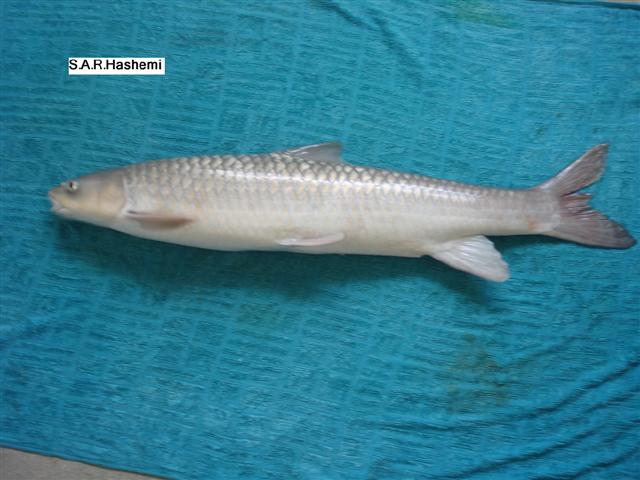 🇮🇷 Iran and 1 moreShabout
A large freshwater carp native to the Tigris-Euphrates basin in Western Asia.Carp · Rivers and lakes
 🇯🇵 JapanNigorobuna
Wild carp from Lake Biwa used for fermented sushi.Carp · Rivers and lakes