
Scalloped hammerhead
A coastal shark with a distinctive indented head.
The scalloped hammerhead is a large shark found in warm waters worldwide. It faces critical endangerment due to overfishing for fins and slow reproductive rates.
- Head has a central indentation giving a scalloped look
- Listed as Critically Endangered by the IUCN
- Forms large schools for hunting and migration
- Fins are highly valued in international trade
- Juveniles rely on mangrove nurseries for survival
What it is
This shark belongs to the hammerhead family and is named for its unique head shape. The front edge features a central indentation flanked by two smaller ones, creating a scalloped appearance. Its eyes and nostrils sit at the tips of these lateral extensions. The body is typically grey, bronze, or olive with a white belly for camouflage. It possesses a large, slightly hooked first dorsal fin and a smaller second one. Adults can reach lengths of over four metres, though most are smaller.
Where it lives
These animals inhabit warm temperate and tropical seas across the globe. Their range extends from latitude 46 degrees north to 36 degrees south. They live over continental and island shelves, often staying above 25 metres depth but diving to 500 metres. During the day, they stay near shore, moving offshore at night to hunt. Juveniles prefer shallow bays and mangrove roots for protection and nutrients.
How it lives
They are opportunistic predators with high metabolic needs. Young sharks feed on inshore fish, while adults target larger prey like squid, crabs, rays, and other sharks. Their wide head helps pin stingrays to the seabed. They exhibit complex social behaviour, often forming large schools that may number in the hundreds. This grouping aids in hunting and reproduction. They use Earth’s magnetic field and environmental cues for navigation during long migrations.
Breeding and life cycle
Females give birth to live young after a gestation period of about one year. Litters are large, containing between 12 and 41 pups, likely due to high infant mortality. Mothers return to specific nursery sites, such as mangrove fjords, to deliver their young. Pups remain in these shallow, safe waters for roughly three years before migrating to deeper oceanic feeding grounds. Sexual maturity occurs when sharks reach approximately 2.4 metres in length.
Fish and people
Fisheries target this species for its fins, which command high prices in markets like Hong Kong. It was the first shark listed under the U.S. Endangered Species Act. Overfishing and bycatch in longlines have caused severe population declines, exceeding 95 per cent in some Atlantic areas. Conservation measures include fishing bans in nursery zones and genetic tracking of fin trade. Shark diving tourism offers a non-consumptive economic alternative in some regions.
Status and threats
The International Union for Conservation of Nature lists this shark as Critically Endangered. Primary threats include overfishing for fins and liver oil, along with accidental capture in commercial nets. Slow growth and late maturity hinder population recovery. Marine reserves protect key breeding and nursery areas. Regulations now prohibit retaining these sharks on vessels in several jurisdictions to reduce exploitation and support stock rebuilding efforts globally.


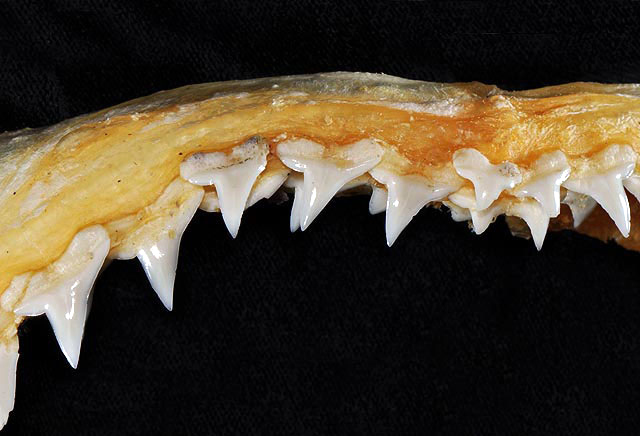

Questions people ask about Scalloped hammerhead
Why is it called scalloped hammerhead?
The name comes from the shape of its head. The front edge has a central dip with two smaller indentations on either side, resembling a scalloped pattern. This distinguishes it from other hammerhead species.
Are scalloped hammerheads dangerous to humans?
They are not considered aggressive towards people. While they are large predators, attacks are rare. They typically focus on fish, rays, and cephalopods rather than humans, even when schooling in large numbers.
Where do baby scalloped hammerheads grow up?
Pups are born in specific nursery areas like shallow bays and mangrove forests. These spots offer shelter from predators and abundant food. Young sharks stay there for about three years before moving to deeper waters.
Why is this shark critically endangered?
Overfishing is the main cause, driven by demand for shark fins. They grow slowly and mature late, making it hard for populations to recover. Bycatch in commercial fisheries also contributes significantly to their decline.
Good reading and sources
- Scalloped hammerhead on WikipediaEncyclopedia
- More photos on Wikimedia CommonsPhotos
- Wikidata recordOpen data
The facts on this page come from the Wikipedia article "Scalloped hammerhead", written by its contributors and used under the CC BY-SA 4.0 licence, and from its Wikidata record (CC0). EveryFish rewrote the text in its own words, with AI assistance, and compares every page with the article to make sure no passage is copied. It may be reused under the same CC BY-SA 4.0 licence with a link back.
It may contain mistakes, and figures change over time. Nothing here is investment or buying advice. If something is wrong, tell us. Last refreshed 2026-11-15.
Like Scalloped hammerhead
All sharks WorldSchool shark
A temperate houndshark valued for liver oil and meat.Shark · Coasts and shelves
 WorldOceanic whitetip shark
A large pelagic requiem shark with distinctive white-tipped fins found in tropical oceans.Shark · Open ocean · 1831
 WorldGreat hammerhead
The largest hammerhead shark, known for its wide cephalofoil and critically endangered status.Shark · Coasts and shelves · 1837
 WorldSilky shark
A fast, migratory requiem shark found in tropical oceans worldwide.Shark · Open ocean · 1839
More from Sphyrnidae
All of them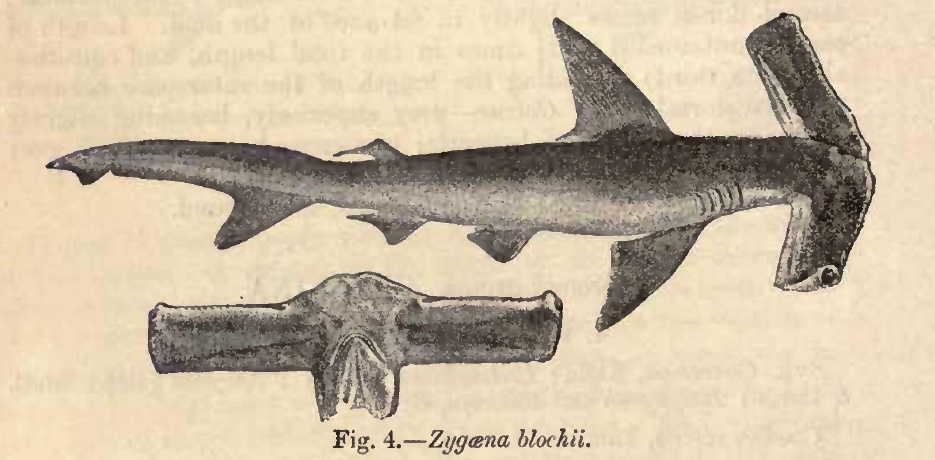 South AsiaWinghead shark
A small hammerhead with an exceptionally wide cephalofoil.Shark · Coasts and shelves · 1822
 WorldSmooth hammerhead
Temperate hammerhead shark with a curved head marginShark · Coasts and shelves · 1758
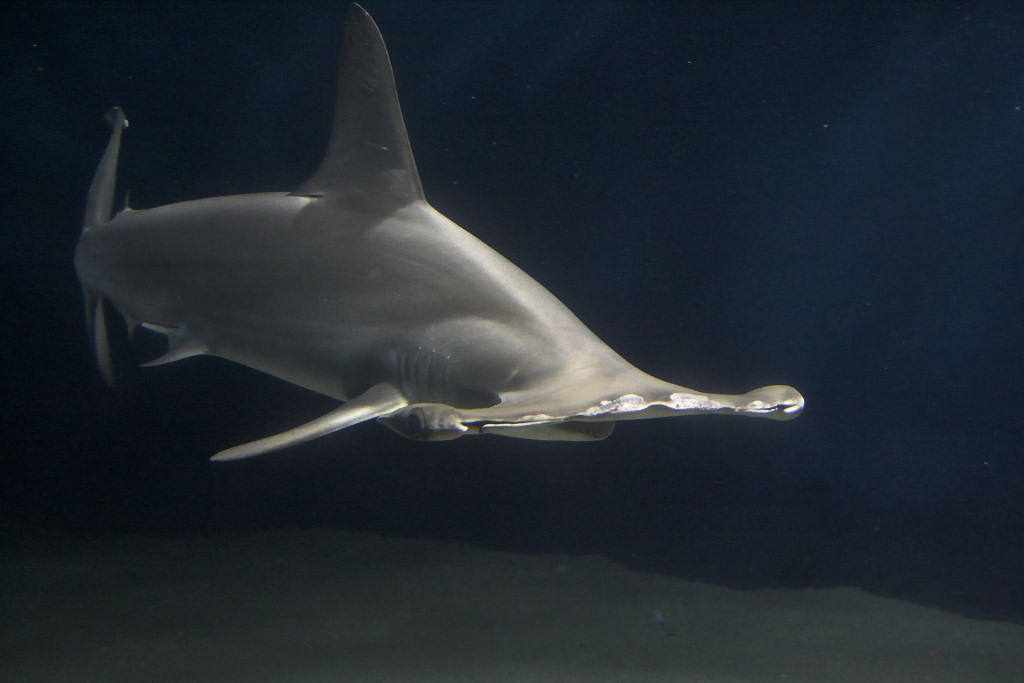 WorldHammerhead shark
Sharks with T-shaped heads for better vision and sensing prey.Shark · Coasts and shelves
 🇺🇸 United States and 4 moreBonnethead
A small hammerhead shark with a spade-shaped head and omnivorous diet.Shark · Coasts and shelves