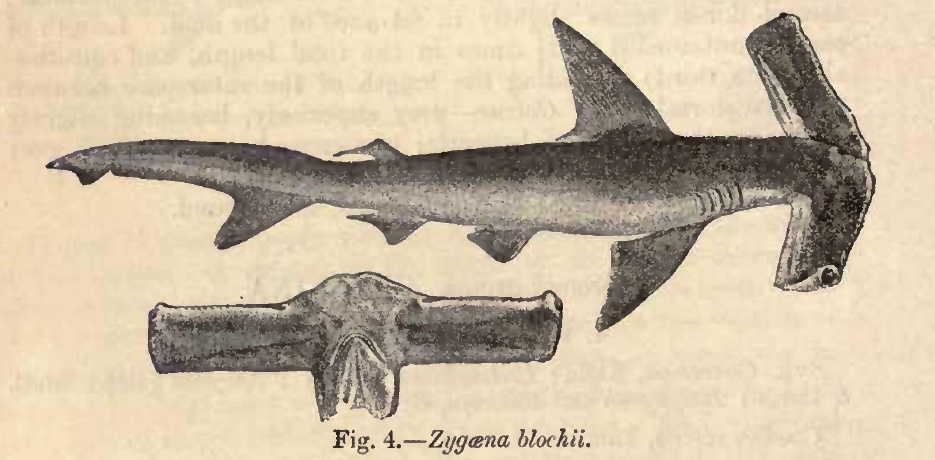
Winghead shark
A small hammerhead with an exceptionally wide cephalofoil.
The winghead shark is a distinct species of hammerhead found in the Indo-Pacific. It features a unique head structure that aids its senses. Fishers target it for meat and fins, leading to population declines.
- Cephalofoil width is up to 50% of total length
- Gestation lasts 8 to 11 months depending on region
- Listed as endangered by IUCN since 2016
- Maximum recorded length is 1.9 metres
What it is
This shark belongs to the hammerhead family but stands alone in its genus. It has a slender body coloured brownish gray above and white below. Its most striking feature is the cephalofoil, a wide head structure that can reach half its total length. The first dorsal fin is tall and sickle-shaped. Adults grow up to 1.9 metres long. The skin is covered in tiny denticles with three ridges each.
Where it lives
It lives in tropical shallow waters across the central and western Indo-Pacific. Its range stretches from the Persian Gulf to New Guinea and northern Queensland. It is also found near Taiwan and the Montebello Islands off Western Australia. These sharks stay close to shore and often enter estuaries where fresh and salt water mix.
How it lives
The wide head placement gives this shark excellent binocular vision and depth perception. Long nostrils along the head edge help it detect scent trails in the water. It hunts near the sea floor for small fish, crustaceans, and squid. The large head surface may also improve electroreception. Several types of tapeworms and nematodes parasitise this species.
Breeding and life cycle
Females give birth to live young after an eight to eleven month gestation. Embryos receive nutrients through a placental connection. Litter sizes range from six to twenty five pups. Mating occurs during monsoon months in some regions. Newborns measure roughly 32 to 47 cm and emerge tail first with folded heads. Sexual maturity arrives at about one metre in length.
Fish and people
Fishers catch this harmless shark using nets and lines throughout its range. The meat is sold fresh while fins are exported for soup. Liver oil and fishmeal are other common products. Heavy fishing in the Gulf of Thailand and near India has reduced numbers. It is rarely caught in Australian waters.
Status and threats
The International Union for Conservation of Nature lists it as endangered. Populations have declined in parts of its range due to overfishing. Anecdotal evidence supports these drops in numbers. In contrast, regional assessments in Australia classify it as least concern due to low catch rates there.

Questions people ask about Winghead shark
Why does the winghead shark have such a wide head?
The wide cephalofoil improves binocular vision and depth perception. It also allows for longer nostrils to detect scents better. The large surface area may enhance electroreception and mechanoreception abilities.
Is the winghead shark dangerous to humans?
No, this species is considered harmless to humans. It feeds on small fish and crustaceans near the sea floor. There are no records of unprovoked attacks on people.
How many pups does a female winghead shark have?
Females produce annual litters ranging from six to twenty five pups. The number of offspring increases with the size of the mother. Birth timing varies by location from February to June.
Good reading and sources
- Winghead shark on WikipediaEncyclopedia
- More photos on Wikimedia CommonsPhotos
- Wikidata recordOpen data
The facts on this page come from the Wikipedia article "Winghead shark", written by its contributors and used under the CC BY-SA 4.0 licence, and from its Wikidata record (CC0). EveryFish rewrote the text in its own words, with AI assistance, and compares every page with the article to make sure no passage is copied. It may be reused under the same CC BY-SA 4.0 licence with a link back.
It may contain mistakes, and figures change over time. Nothing here is investment or buying advice. If something is wrong, tell us. Last refreshed 2026-11-15.
Like Winghead shark
All sharks WorldSicklefin lemon shark
Large Indo-Pacific requiem shark with sickle-shaped fins.Shark · Coasts and shelves · 1837
 WorldBlacktip reef shark
Small coral reef shark with distinct black fin tipsShark · Coasts and shelves · 1824
 WorldMilk shark
A small coastal requiem shark found in tropical waters worldwide.Shark · Coasts and shelves · 1837
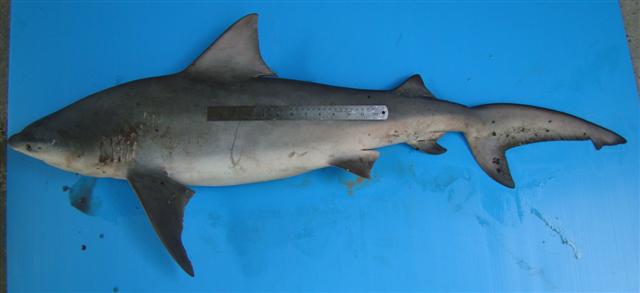 WorldPigeye shark
A robust coastal requiem shark often confused with the bull shark.Shark · Coasts and shelves · 1839
More from Sphyrnidae
All of them WorldGreat hammerhead
The largest hammerhead shark, known for its wide cephalofoil and critically endangered status.Shark · Coasts and shelves · 1837
 WorldSmooth hammerhead
Temperate hammerhead shark with a curved head marginShark · Coasts and shelves · 1758
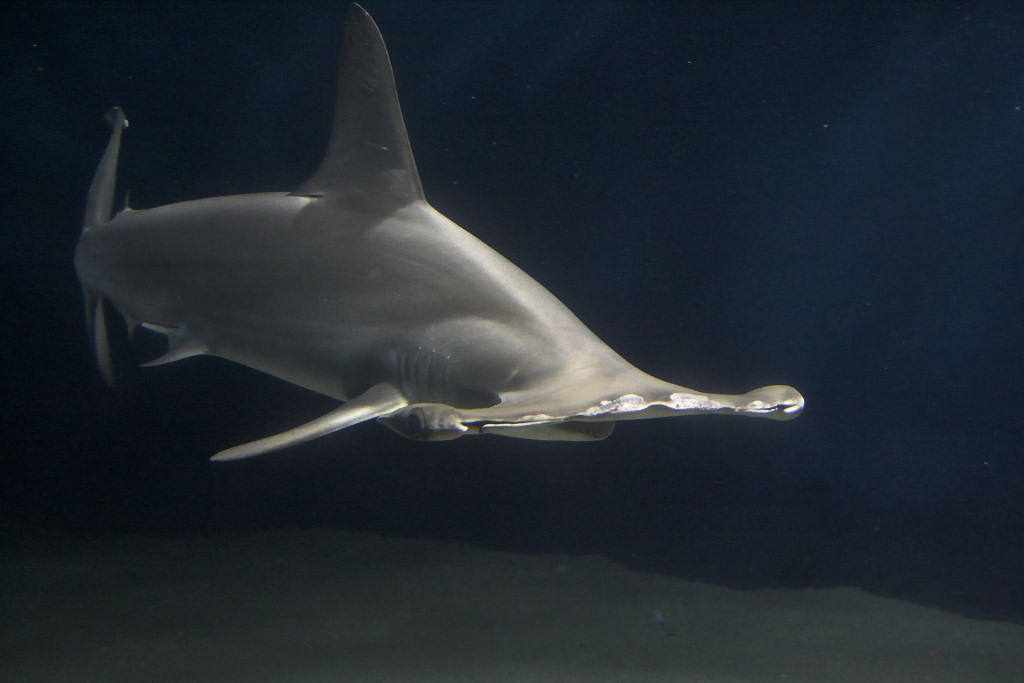 WorldHammerhead shark
Sharks with T-shaped heads for better vision and sensing prey.Shark · Coasts and shelves
 🇺🇸 United States and 4 moreBonnethead
A small hammerhead shark with a spade-shaped head and omnivorous diet.Shark · Coasts and shelves