
Sardine
Small, oily forage fish in the herring suborder Clupeoidei.
The term sardine covers various small, oily species within the herring family. The name likely originated from Sardinia or a red gemstone. These fish are vital for global food supplies and industrial uses.
- Sardines feed on zooplankton near the surface.
- Canned sardines are rich in vitamin B12.
- Cornish sardines have protected geographical status.
- Pacific sardine stocks collapsed in 2015.
- The term may derive from Sardinia or a red gemstone.
What it is
Sardines represent a group of small, oily fish belonging to the herring suborder. They are often distinguished from pilchards by size, with smaller individuals typically labeled as sardines. The flesh can appear reddish-brown. These fish form dense schools near the surface. Their bodies are streamlined for rapid swimming in coastal waters.
Where it lives
These fish inhabit coastal shelves worldwide. They follow plankton blooms closely. Populations exist in the Atlantic, Pacific, and Indian Oceans. Specific regions include Cornwall in the UK and California in the US. They migrate seasonally to feed on abundant zooplankton.
How it lives
Sardines feed almost exclusively on zooplankton. They congregate where plankton is plentiful. Predators include larger fish and seabirds. They are often caught at night when they rise to the surface. Schools move together for protection and efficient feeding.
Breeding and life cycle
Information on specific spawning habits is not detailed in the provided sources. They reproduce in coastal waters where plankton supports their young.
Fish and people
Humans consume sardines for protein and omega-3 fatty acids. They are canned, smoked, or grilled. Historically, they were exported to Catholic countries. In Japan, many are used for oil and fertilizer. The phrase 'packed like sardines' describes crowding. Cornish sardines have protected geographical status.
Status and threats
Pacific sardine stocks collapsed in 2015, leading to fishing bans. Some regional populations face pressure from overfishing. Conservation efforts monitor stock levels. The general status remains least concern globally, but local declines occur.


Questions people ask about Sardine
What is the difference between a sardine and a pilchard?
The distinction depends on region and size. Generally, smaller fish under 15 cm are called sardines, while larger ones are pilchards. The UK Sea Fish Industry Authority classifies sardines as young pilchards. Different databases use varying criteria for these labels.
Where does the word sardine come from?
The term entered English in the 15th century from French and Latin. It may refer to Sardinia, where fish were once abundant. Alternatively, it could derive from a Greek word for red, referencing the fish's color or the sard gemstone. Aristotle mentioned the fish in ancient texts.
Are sardines safe to eat regarding mercury?
Yes, sardines are low in contaminants like mercury because they sit low in the food chain. They are considered a healthy source of protein and omega-3 fatty acids. Canned versions provide significant vitamins and minerals without high pollution risks.
Why did the US sardine industry decline?
The US canning industry peaked in the 1950s before collapsing. Monterey Bay canneries failed in the mid-1950s. The last large plant in Maine closed in 2010. A dramatic stock collapse in 2015 led to federal fishing bans in three states.
Good reading and sources
The facts on this page come from the Wikipedia article "Sardine", written by its contributors and used under the CC BY-SA 4.0 licence, and from its Wikidata record (CC0). EveryFish rewrote the text in its own words, with AI assistance, and compares every page with the article to make sure no passage is copied. It may be reused under the same CC BY-SA 4.0 licence with a link back.
It may contain mistakes, and figures change over time. Nothing here is investment or buying advice. If something is wrong, tell us. Last refreshed 2026-11-15.
Like Sardine
All herrings and sardines 🇺🇸 United StatesAtlantic menhaden
A silvery herring species found along the North American Atlantic coast.Herring · Coasts and shelves
 🇹🇷 Turkey and 4 moreEuropean anchovy
Small coastal forage fish of Europe and AfricaHerring · Coasts and shelves · 1758
 🇳🇴 Norway and 3 moreEuropean sprat
A small schooling fish in the herring family found across European seas.Herring · Coasts and shelves · 1758
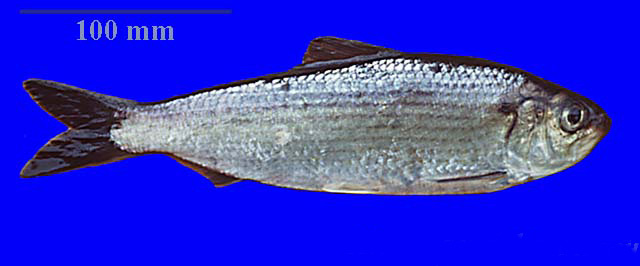 🇺🇸 United States and 1 moreAlewife
A small North American herring that migrates between sea and rivers.Herring · Coasts and shelves
More from Clupeidae
All of them 🇺🇸 United States and 2 moreAmerican gizzard shad
A silvery freshwater forage fish with a muscular gizzard.Herring · Rivers and lakes
 WorldSpotted sardinella
A small herring with golden spots found in the Indo-Pacific.Herring · Coasts and shelves
 🇺🇸 United States and 3 moreMenhaden
Small silver forage fish that filter plankton and support marine food webs.Herring · Coasts and shelves
🇲🇦 Morocco and 2 moreEuropean pilchard
Small schooling fish of the Atlantic and Mediterranean.Herring · Coasts and shelves