
Redear sunfish
Freshwater panfish known for crushing snail shells.
The redear sunfish is a freshwater species native to the southeastern United States. It is prized by anglers for its ability to crack hard-shelled prey like snails and mussels. Introduced widely across North America, it helps control invasive molluscs in some lakes.
- Crushes snail shells with thick pharyngeal teeth
- Males have a cherry-red edge on the gill cover
- Can grow up to 43.2 cm in length
- Helps control invasive quagga mussels in lakes
- Fossil records date back 16.3 million years
What it is
This fish belongs to the sunfish family and resembles the bluegill in shape. It features dark coloring on its back and yellow-green tones on its belly. Faint vertical bars run down from its dorsal fin. Male specimens display a distinct cherry-red edge on their gill cover, while females show orange in the same area. Adults typically measure between 20 and 24 cm, though they can grow larger than bluegills, reaching up to 43.2 cm in length.
Where it lives
Native to the southeastern United States, its natural range extends from North Carolina to Florida. It lives westward to southern Illinois and Missouri, reaching the Rio Grande drainage in Texas. Humans have introduced it to other regions, including Ohio and Arizona. The fish prefers warm, quiet waters found in lakes, ponds, streams, and reservoirs. It often congregates near logs and vegetation in freshwater marsh wetlands.
How it lives
Its diet focuses heavily on hard-shelled prey, particularly snails, which gives it the name shellcracker. Thick pharyngeal teeth allow it to crush exoskeletons and open small clams. Large adults target ostracods, hydrobiid snails, and mussels year-round. Smaller individuals consume zooplankton, amphipods, and various larvae. This specialization for deep-water mollusk feeding reduces competition with surface-feeding fish. They may also eat algae, worms, crayfish, and small fish.
Breeding and life cycle
Spawning involves males gathering to construct nests in close proximity, forming colonies. Females visit these sites to deposit their eggs. The species may occasionally hybridize with other types of sunfish. This colonial nesting behavior is typical for many members of its family, ensuring protection and successful fertilization in shallow, warm water areas during the breeding season.
Fish and people
Anglers value this species as a popular panfish for recreational sport. The all-tackle world record stands at 2.83 kg, caught in Lake Havasu, Arizona, in 2021. Beyond sport, its ability to consume quagga mussels has led to intentional stocking in some freshwater drainages. This practice helps manage invasive mollusc populations without competing with other fish species for food resources.


Questions people ask about Redear sunfish
Why is it called the shellcracker?
The name comes from its preferred diet of snails and other shelled creatures. It uses thick pharyngeal teeth to crack open hard exoskeletons and shells, allowing it to access the soft tissue inside for food.
How can you tell a male from a female?
Look at the operculum or gill cover. Males display a distinct cherry-red edge on this flap, whereas females show orange coloration in the same area. Both sexes share the dark dorsal and yellow-green ventral coloring.
Where is this fish naturally found?
It is native to the southeastern United States, ranging from North Carolina to Florida and west to Texas. It has also been widely introduced to other parts of North America, including states like Ohio and Arizona.
Good reading and sources
- Redear sunfish on WikipediaEncyclopedia
- More photos on Wikimedia CommonsPhotos
- Wikidata recordOpen data
The facts on this page come from the Wikipedia article "Redear sunfish", written by its contributors and used under the CC BY-SA 4.0 licence, and from its Wikidata record (CC0). EveryFish rewrote the text in its own words, with AI assistance, and compares every page with the article to make sure no passage is copied. It may be reused under the same CC BY-SA 4.0 licence with a link back.
It may contain mistakes, and figures change over time. Nothing here is investment or buying advice. If something is wrong, tell us. Last refreshed 2026-11-15.
Like Redear sunfish
All perches, basses and snappers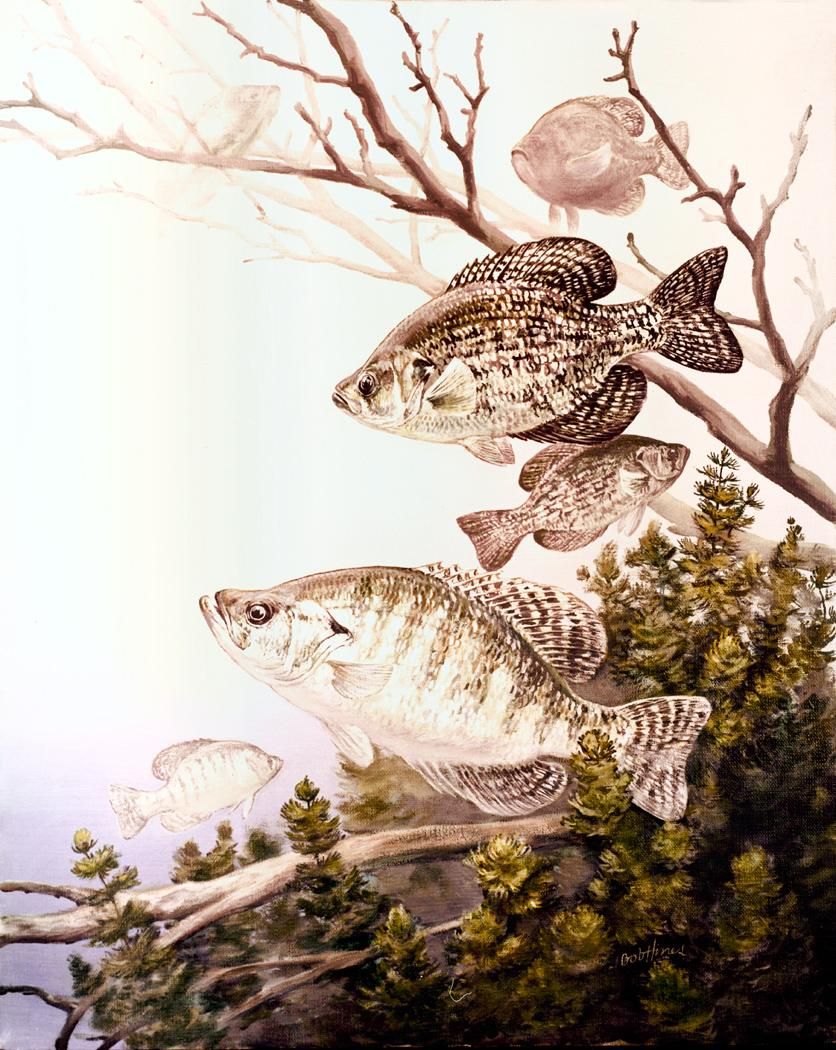 🇺🇸 United StatesCrappie
Two species of North American freshwater sunfish prized by anglers for sport and food.Perch-like · Rivers and lakes
 🇺🇸 United States and 2 moreRock bass
A small, red-eyed freshwater sunfish native to North America.Perch-like · Rivers and lakes
 🇺🇸 United States and 2 morePumpkinseed
A small freshwater fish native to eastern North America, known for its bright colours and red ear flap.Perch-like · Rivers and lakes · 1793
 🇺🇸 United States and 1 moreSauger
A freshwater perch species native to North American rivers.Perch-like · Rivers and lakes · 1834
More from Centrarchidae
All of them 🇺🇸 United StatesWhite crappie
North American freshwater fish with vertical body barsPerch-like · Rivers and lakes
 🇺🇸 United StatesSpotted bass
A North American freshwater fish known for dark spots below its lateral line.Other · Rivers and lakes
 🇺🇸 United StatesGuadalupe bass
A rare Texas endemic black bass prized by anglers for its fighting spirit.Other · Rivers and lakes
 🇺🇸 United States and 2 moreGreen sunfish
A small, aggressive freshwater fish native to North America, known for its blue-green colour and invasive potential in nPerch-like · Rivers and lakes