
Red-tailed black shark
A critically endangered Thai carp kept widely in aquariums for its black body and red tail.
The red-tailed black shark is a freshwater cyprinid endemic to Thailand. It faces severe wild population declines due to habitat loss but survives through captive breeding programs for the global aquarium trade.
- Endemic to Thailand's river basins and critically endangered in the wild.
- All aquarium trade specimens are captive-bred since the late 1980s.
- Hormone-induced spawning in captivity causes high mortality rates.
- Known for jumping out of uncovered tanks and territorial aggression.
- Resembles a shark in appearance but is closely related to carps.
What it is
This species belongs to the carp family and resembles a small shark in shape and swimming style. Adults feature a deep black body that becomes deeper in the middle as they age, particularly females. The most striking feature is the bright red or orange caudal fin, which can fade if the fish is stressed. They possess an inferior mouth facing downward, two pairs of barbels, and large triangular dorsal and anal fins. Juveniles are thin and streamlined, while adults develop a more robust profile. The fish grows to about 16 centimetres, though some individuals reach 20 centimetres.
Where it lives
The red-tailed black shark is native only to Thailand. Historical records place it in the Mae Khlong, Chao Phraya, and Bangpakong river basins. It inhabits lowland streams, creeks, and rivers characterized by strong currents, dense vegetation, and rocky or sandy substrates. Once thought extinct in the wild between 1996 and 2011, single specimens have been rediscovered in recent years. However, populations remain highly fragmented and localized, with significant habitat degradation from dams and agricultural runoff affecting its survival.
How it lives
These fish are active bottom dwellers that patrol water columns near rocks and plants. They exhibit a shark-like oscillatory movement and are known jumpers, often escaping uncovered tanks. Their temperament varies from territorial to aggressive, especially toward their own kind. They establish territories and may harass slower or smaller tankmates. While generally omnivorous scavengers eating insects, algae, and detritus, they will consume dead animals if available. They are nocturnal and tend to be more timid as juveniles, requiring hiding spots to feel secure.
Breeding and life cycle
Natural spawning triggers and mate selection remain poorly understood among enthusiasts. In captivity, reproduction is achieved through hormone injections, a process introduced around 1987. This method causes significant stress, leading to mortality rates as high as eighty percent for both adults and fry. Vaccination against diseases like Streptococcus iniae has shown promise in reducing these losses. Breeding in home aquariums is nearly impossible due to the species' intolerance of conspecifics and aggression during reproductive phases.
Fish and people
The red-tailed black shark is a staple in the ornamental fish industry, with all current trade specimens being captive-bred. Thailand exported millions annually in the late twentieth century, and the fish remains popular globally. Hobbyists value its striking colouration and active behaviour. Care requires medium to large tanks with strong filtration, hiding places, and secure lids to prevent jumping. Compatible tankmates include fast-moving minnows and larger aggressive species, while slow fish and invertebrates are often bullied or eaten.
Status and threats
Listed as Critically Endangered, the wild population has suffered drastic declines. Causes include habitat destruction from dam construction, swamp drainage, and pollution from agriculture and domestic sources. While overharvesting for the aquarium trade was historically blamed, debate continues regarding its exact impact. Captive breeding programmes offer a buffer against extinction, though genetically suitable stock for reintroduction remains uncertain. Conservation efforts focus on ex-situ breeding and further research into population trends and ecological threats.


Questions people ask about Red-tailed black shark
Is the red-tailed black shark a real shark?
No, it is not a shark. It is a freshwater fish belonging to the carp family, Cyprinidae. Its name comes from its shark-like body shape and swimming style, not its biological classification.
Can I keep this fish in a small bowl?
No, it requires a minimum of 30 gallons in an elongated tank. As active bottom swimmers, they need lateral space to explore. Small tanks cause stress, aggression, and disease. A weighted lid is also essential to prevent them from jumping out.
Are wild red-tailed black sharks still found in nature?
Wild populations are critically endangered and highly fragmented. Though once thought extinct, rare sightings occur in Thailand. Most fish in the trade are captive-bred, relieving pressure on wild stocks, though habitat loss and pollution remain major threats.
What do red-tailed black sharks eat?
They are omnivorous scavengers. In the wild, they eat insects, crustaceans, worms, detritus, and algae. In aquariums, they accept various foods but prefer patrolling the bottom for food particles and organic matter near rocks and plants.
Good reading and sources
- Red-tailed black shark on WikipediaEncyclopedia
- More photos on Wikimedia CommonsPhotos
- Wikidata recordOpen data
The facts on this page come from the Wikipedia article "Red-tailed black shark", written by its contributors and used under the CC BY-SA 4.0 licence, and from its Wikidata record (CC0). EveryFish rewrote the text in its own words, with AI assistance, and compares every page with the article to make sure no passage is copied. It may be reused under the same CC BY-SA 4.0 licence with a link back.
It may contain mistakes, and figures change over time. Nothing here is investment or buying advice. If something is wrong, tell us. Last refreshed 2026-11-15.
Like Red-tailed black shark
All carps and minnows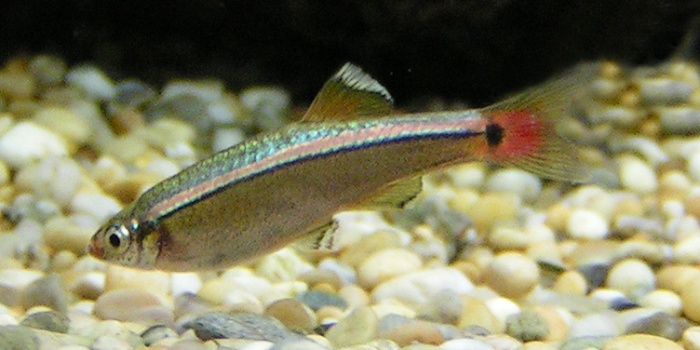 🇨🇳 ChinaWhite Cloud Mountain minnow
A small, hardy freshwater fish native to China, popular in aquariums for its cold tolerance and peaceful nature.Carp · Rivers and lakes · 1930
 🇹🇭 Thailand and 4 moreJava barb
A silvery freshwater fish farmed across Southeast Asia.Carp · Rivers and lakes
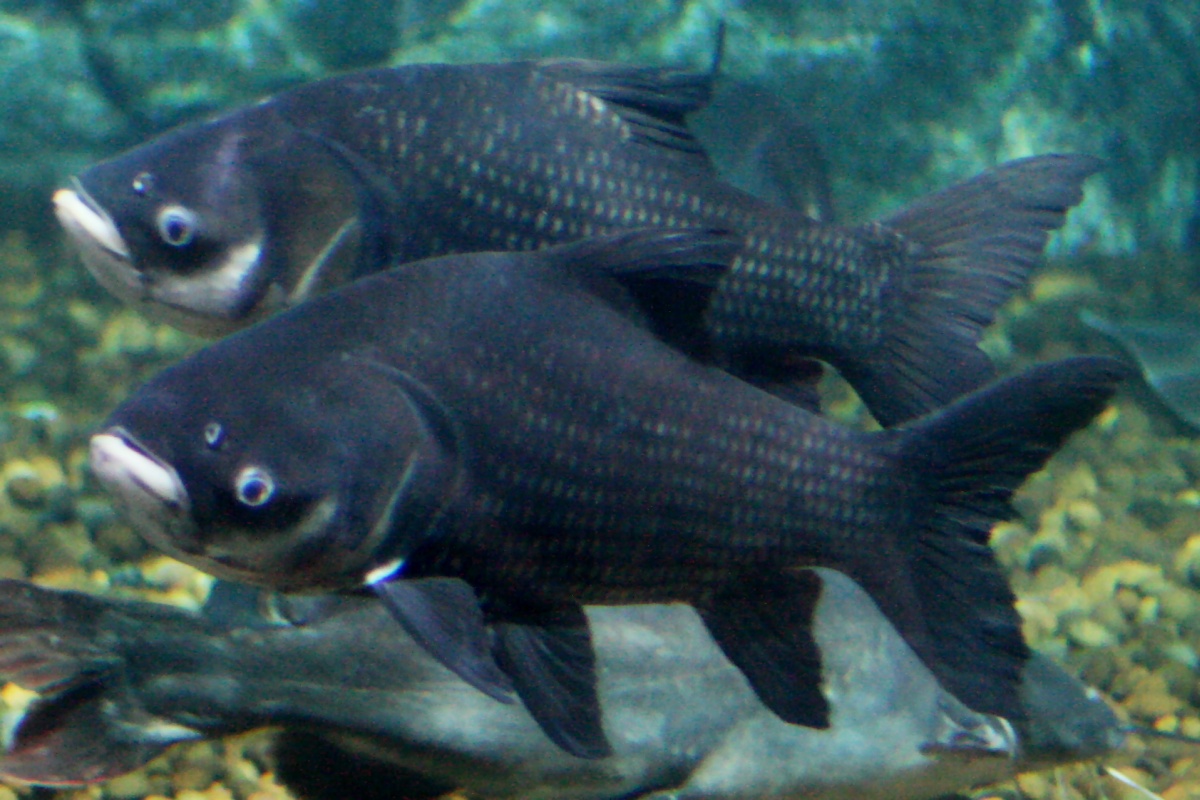 🇰🇭 Cambodia and 2 moreGiant barb
The largest cyprinid fish, native to major river basins in Southeast Asia.Carp · Rivers and lakes
🇮🇷 Iran and 2 moreCaspian kutum
A prized ray-finned fish from the Caspian Sea.Carp · Estuaries and mangroves · 1901
More from Cyprinidae
All of them 🇰🇪 Kenya and 4 moreRipon barbel
A large freshwater cyprinid from East African lakes and rivers.Carp · Rivers and lakes · 1900
 🇲🇲 MyanmarOdessa barb
Small colourful cyprinid from Myanmar popular in home aquariumsCarp · Rivers and lakes · 2008
 🇹🇭 Thailand and 4 moreTinfoil barb
A large Southeast Asian freshwater fish known for its red fins and silvery body.Carp · Rivers and lakes · 1853
 🇮🇷 Iran and 3 moreMangar
Large cyprinid fish of the Tigris and Euphrates rivers.Carp · Rivers and lakes · 1843