
Perch
Freshwater fish from the genus Perca in the family Percidae.
Perch refers to freshwater fish belonging to the genus Perca within the family Percidae. The name originates from the European perch, a species native to Europe with introduced populations elsewhere. These fish are valued for sport and food.
- True perches must belong to the family Percidae.
- European perch has been introduced to Australia and New Zealand.
- Yellow perch is native to North America and the Great Lakes.
- Perch spawn in spring using vegetation to hide eggs.
- Record catch in Sweden reached 3.15 kg in 1985.
What it is
The term perch describes freshwater fish classified under the genus Perca. This group sits inside the family Percidae, part of the large order Perciformes. The name derives from Greek words referring to the type species, the European perch. True perches must belong to this specific family. Other fish like the red drum are sometimes called perch but do not fit the definition. These fish have a long, round body built for speed. Their skin features rough ctenoid scales. They possess two dorsal fins, one spiny and one soft. The head includes eyes, gills, and small brush-like teeth on the jaws and roof of the mouth.
Where it lives
Species in this genus inhabit waters across multiple continents. The European perch lives mainly in Europe but has spread to South Africa, Australia, and New Zealand. The yellow perch is native to North America, particularly the Great Lakes region. The Balkhash perch resides in lakes and rivers in Kazakhstan, Uzbekistan, and China. Introduced populations exist outside their native ranges. They prefer bodies of water containing abundant vegetation and debris. These habitats provide cover and support the prey they require for survival.
How it lives
Perch are carnivorous predators. They hunt smaller fish, shellfish, zooplankton, and insect larvae. Their streamlined shape allows rapid movement through the water. Internal anatomy includes a swim bladder for buoyancy control. They are physoclists, meaning their gas bladder duct is closed. Digestion involves a stomach connected to intestines via a pyloric sphincter. The liver has three lobes, and kidneys contain nephrons. Males and females can be distinguished by the shape of their urogenital openings. Males typically have a rounder opening than females.
Breeding and life cycle
Spawning occurs during the spring season. Female perch lay eggs which they attach to aquatic vegetation. This plant material helps hide the eggs from potential predators. The reproductive organs consist of either testes or ovaries. After spawning, the young grow within these protected environments. The use of vegetation is a key strategy for protecting offspring from being eaten by other fish in the same habitat.
Fish and people
These fish are popular targets for sport fishing. Anglers use float fishing, lures, ledgering, and fly fishing techniques. They are known to fight hard when hooked. Perch are also considered good eating. Common catches weigh around 450 grams, while larger specimens are prized. Record catches vary by country, with weights exceeding three kilograms recorded in Sweden and the Netherlands. Hatcheries often raise yellow perch for introduction into new areas. They are farmed and released to support fisheries in non-native regions.


Questions people ask about Perch
What defines a true perch?
A true perch must belong to the family Percidae. Other fish, such as the red drum, may carry the name perch but belong to different orders. The genus Perca contains the primary species recognized as perches.
Where do perch live?
Perch inhabit freshwater environments including ponds, lakes, streams, and rivers. They prefer waters with abundant vegetation and debris. Species are found in Europe, North America, and parts of Asia.
What do perch eat?
Perch are carnivores. Their diet consists of small fish, shellfish, zooplankton, and insect larvae. They hunt in waters where these prey items are abundant.
How big do perch get?
Perch can grow up to 50 cm and weigh over 2.3 kg. Common catches are smaller, around 30 cm and 450 grams. Prize catches exceed 40 cm and 900 grams.
Good reading and sources
The facts on this page come from the Wikipedia article "Perch", written by its contributors and used under the CC BY-SA 4.0 licence, and from its Wikidata record (CC0). EveryFish rewrote the text in its own words, with AI assistance, and compares every page with the article to make sure no passage is copied. It may be reused under the same CC BY-SA 4.0 licence with a link back.
It may contain mistakes, and figures change over time. Nothing here is investment or buying advice. If something is wrong, tell us. Last refreshed 2026-11-15.
Like Perch
All perches, basses and snappers 🇺🇸 United StatesRedear sunfish
Freshwater panfish known for crushing snail shells.Perch-like · Rivers and lakes
 🇺🇸 United States and 2 moreRock bass
A small, red-eyed freshwater sunfish native to North America.Perch-like · Rivers and lakes
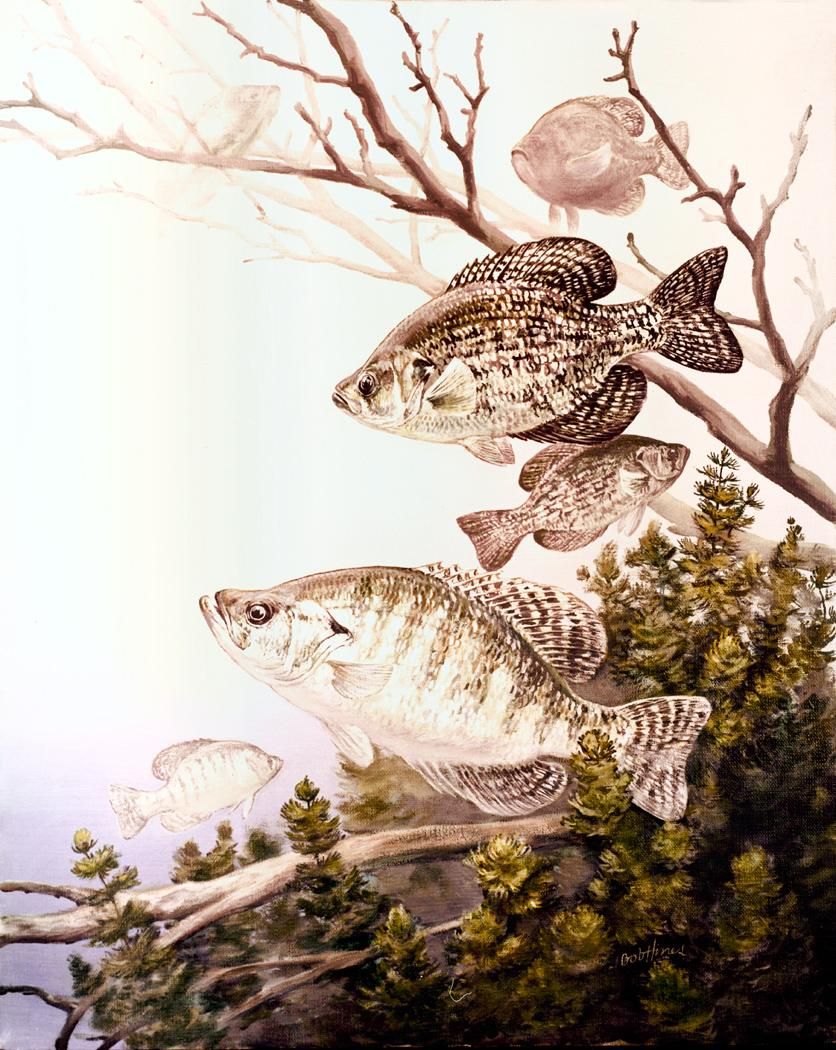 🇺🇸 United StatesCrappie
Two species of North American freshwater sunfish prized by anglers for sport and food.Perch-like · Rivers and lakes
 WorldTanganyika lates
Large predatory perch from Lake TanganyikaPerch-like · Rivers and lakes
More from Percidae
All of them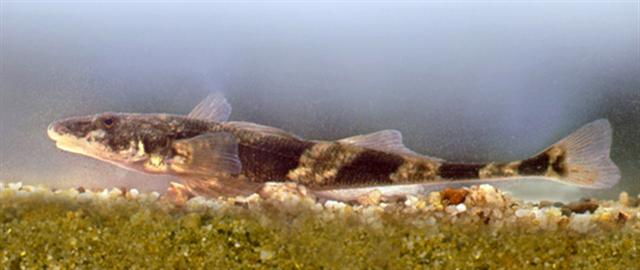 🇦🇹 Austria and 4 moreStreber
A small freshwater perch found in fast-flowing European rivers.Perch-like · Rivers and lakes
 🇷🇺 Russia and 4 moreEuropean perch
A greenish freshwater predator native to Europe and North Asia.Perch-like · Rivers and lakes · 1758
 🇷🇺 Russia and 1 moreRuffe
A small, aggressive freshwater fish native to Eurasia that has become a major invasive pest in North America.Perch-like · Rivers and lakes · 1758
 WorldZander
A large freshwater predator fish native to Eurasia, valued for food and sport.Perch-like · Rivers and lakes · 1758