
Tanganyika lates
Large predatory perch from Lake Tanganyika
The Tanganyika lates is a large freshwater predator found only in Lake Tanganyika. It grows up to two metres long and weighs one hundred kilograms. Anglers prize it as a game fish, and local markets value it for food. Heavy fishing pressure now threatens its wild population.
- Grows up to 200 cm in length
- Can weigh as much as 100 kg
- Found only in Lake Tanganyika
- Popular target for sport anglers
- Threatened by commercial and sport fishing
What it is
This fish is a member of the lates perch group. It lives exclusively in Lake Tanganyika in East Africa. The body is built for hunting, allowing it to chase down prey in open water. Adults grow very large, reaching lengths of two hundred centimetres. They can weigh up to one hundred kilograms. Its size makes it a dominant figure in its ecosystem. The common name refers to its home lake, though other related species share these waters.
Where it lives
The species is endemic to Lake Tanganyika. This means it is found nowhere else on Earth. It inhabits the freshwater environment of this deep rift valley lake. As a widespread predator, it occupies various zones within the lake where other fish are available. It shares its habitat with three other lates species, including the bigeye lates and the forktail lates. The sleek lates also lives in the same waters.
How it lives
It acts as a top predator in its environment. Its diet consists mainly of other fish species found in the lake. This hunting behaviour requires speed and strength, supported by its large size. It is not a solitary feeder but part of a complex food web. While specific schooling habits are not detailed, its role as a widespread predator suggests it moves actively through its range to find food sources.
Fish and people
Local communities harvest this fish for food, making it commercially important. Sport anglers also target it because of its large size and fighting ability. These dual uses create significant pressure on the population. Overfishing for both market sale and recreational purposes threatens the sustainability of the species. Conservation efforts must balance economic benefits with the need to maintain healthy stock levels in the lake.
Status and threats
The population faces threats from human activity. Commercial fishing and sport fishing exert heavy pressure on numbers. Sustainable management is likely required to prevent decline. The presence of other lates species in the same lake means ecosystem-wide changes could also impact its survival.
Questions people ask about Tanganyika lates
How big does the Tanganyika lates get?
This fish can reach a standard length of 200 centimetres. The heaviest recorded individual weighed 100 kilograms. This makes it one of the largest freshwater predators in its habitat.
Where does the Tanganyika lates live?
It is endemic to Lake Tanganyika. This means it is found naturally only in this specific lake in East Africa and nowhere else in the world.
Is the Tanganyika lates endangered?
The species is threatened by pressures from commercial fishing and sport angling. These activities reduce population numbers, though a specific conservation status category is not provided in the source.
What does the Tanganyika lates eat?
It is a predator that feeds on other fishes. Its large size allows it to hunt a variety of prey species within Lake Tanganyika.
Good reading and sources
- Tanganyika lates on WikipediaEncyclopedia
- More photos on Wikimedia CommonsPhotos
- Wikidata recordOpen data
The facts on this page come from the Wikipedia article "Tanganyika lates", written by its contributors and used under the CC BY-SA 4.0 licence, and from its Wikidata record (CC0). EveryFish rewrote the text in its own words, with AI assistance, and compares every page with the article to make sure no passage is copied. It may be reused under the same CC BY-SA 4.0 licence with a link back.
It may contain mistakes, and figures change over time. Nothing here is investment or buying advice. If something is wrong, tell us. Last refreshed 2026-11-15.
Like Tanganyika lates
All perches, basses and snappers 🇺🇸 United StatesRedear sunfish
Freshwater panfish known for crushing snail shells.Perch-like · Rivers and lakes
 🇺🇸 United States and 2 moreRock bass
A small, red-eyed freshwater sunfish native to North America.Perch-like · Rivers and lakes
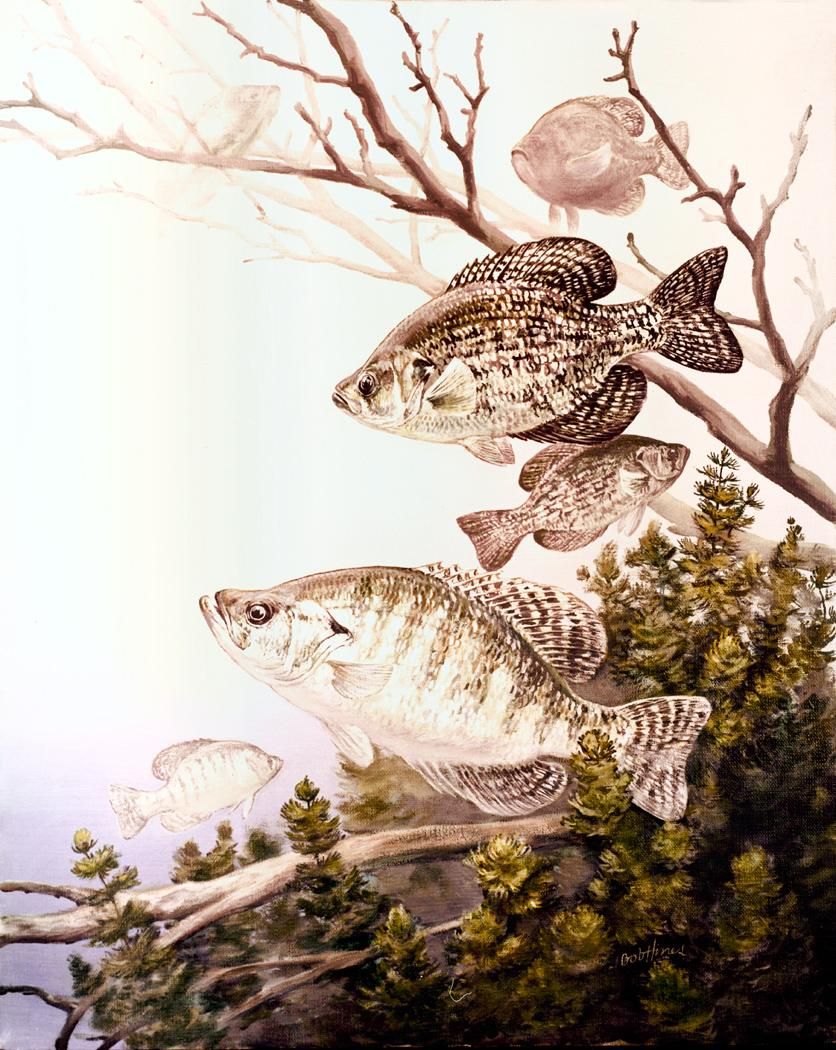 🇺🇸 United StatesCrappie
Two species of North American freshwater sunfish prized by anglers for sport and food.Perch-like · Rivers and lakes
 🇷🇺 Russia and 4 moreEuropean perch
A greenish freshwater predator native to Europe and North Asia.Perch-like · Rivers and lakes · 1758
