
Hampala barb
Large predatory cyprinid from Southeast Asian rivers.
The hampala barb is a large freshwater fish found across Southeast Asia. It inhabits rivers and streams in the Mekong and Chao Phraya basins. This species serves as a traditional food source and remains common in many areas.
- Grows up to 70 cm in length
- Found in Mekong and Chao Phraya basins
- Predatory freshwater fish
- Rated Least Concern by IUCN
- Traditional food source in Southeast Asia
What it is
The hampala barb is a substantial member of the carp family. It features a streamlined body suited for moving water. Adults can grow up to seventy centimetres in length. Most individuals encountered are about half this maximum size. The fish has large scales and a distinct profile. It is a predatory species within its ecosystem. This distinguishes it from many other plant-eating cyprinids. Its physical build supports active hunting in currents.
Where it lives
This species occupies a wide area in Southeast Asia. It lives in the Mekong and Chao Phraya river basins. Populations also exist in Peninsular Malaysia. The Greater Sunda Islands host these fish too. You can find them in Borneo, Java and Sumatra. They prefer flowing rivers and streams. They avoid fast torrents and small creeks. Shallow swamps are not suitable habitats. They thrive in most other freshwater environments.
How it lives
As a predator, this fish hunts other aquatic life. It does not graze on plants like some relatives. It favours moving water where prey is available. The species is adaptable to various freshwater settings. It avoids only the most extreme flow conditions. Small creeks and stagnant swamps are shunned. Running water provides the oxygen and hunting grounds it needs. Its size allows it to dominate smaller fish.
Fish and people
People in Southeast Asia have eaten this fish for ages. It is a recognised part of local diets. Despite heavy use as a food source, it remains plentiful. Fishermen catch it in various parts of its range. The population has not collapsed under fishing pressure. It continues to be an important resource for communities. Its abundance supports its role in regional cuisine.
Status and threats
The International Union for Conservation of Nature lists it as Least Concern. This rating reflects its continued abundance in many areas. Fishing has not yet caused a severe decline. The species remains common in at least parts of its habitat. No immediate threat of extinction is currently identified. Conservation efforts are not urgently required at this time.


Questions people ask about Hampala barb
How big does the hampala barb get?
This fish can reach a maximum length of seventy centimetres. However, most individuals seen are around half that size. It is considered a relatively large species within its group.
Where does the hampala barb live?
It inhabits freshwater systems in Southeast Asia. Key areas include the Mekong and Chao Phraya basins. It is also found in Peninsular Malaysia and the Greater Sunda Islands like Borneo and Java.
Is the hampala barb endangered?
No, it is listed as Least Concern by the IUCN. Although it is fished for food, it remains abundant in many parts of its range. The population is currently stable.
Good reading and sources
- Hampala macrolepidota on WikipediaEncyclopedia
- More photos on Wikimedia CommonsPhotos
- Wikidata recordOpen data
The facts on this page come from the Wikipedia article "Hampala macrolepidota", written by its contributors and used under the CC BY-SA 4.0 licence, and from its Wikidata record (CC0). EveryFish rewrote the text in its own words, with AI assistance, and compares every page with the article to make sure no passage is copied. It may be reused under the same CC BY-SA 4.0 licence with a link back.
It may contain mistakes, and figures change over time. Nothing here is investment or buying advice. If something is wrong, tell us. Last refreshed 2026-11-15.
Like Hampala barb
All carps and minnows 🇫🇷 FranceCommon bleak
A small, silvery freshwater fish found across Europe and Western Asia.Carp · Rivers and lakes
 🇺🇸 United States and 1 moreGolden shiner
A North American minnow used widely as bait and in pond culture.Carp · Rivers and lakes
 🇮🇳 India and 4 moreRohu
A large silver carp from South Asian rivers, farmed for food and prized as a game fish.Carp · Rivers and lakes
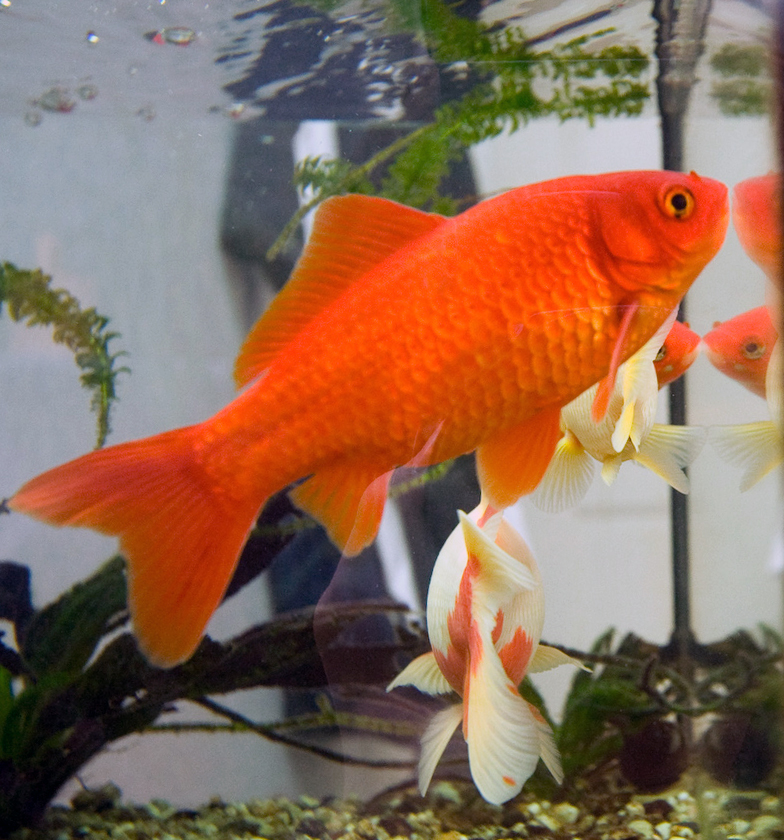 🇨🇳 ChinaGoldfish
A domesticated freshwater carp from China, kept worldwide as a pet and aquarium fish.Carp · Rivers and lakes
More from Cyprinidae
All of them 🇹🇭 Thailand and 2 moreSiamese mud carp
Freshwater cyprinid native to Mekong and Chao Phraya riversCarp · Rivers and lakes
 🇲🇾 Malaysia and 1 moreHarlequin rasbora
A small, colourful freshwater fish popular in home aquariums for its distinctive black body marking.Carp · Rivers and lakes
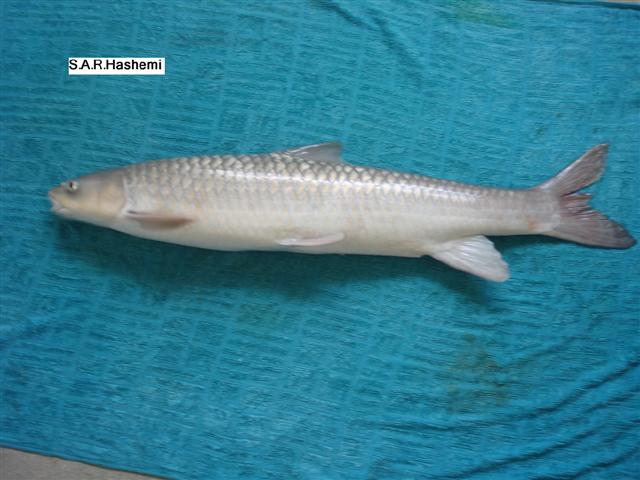 🇮🇷 Iran and 1 moreShabout
A large freshwater carp native to the Tigris-Euphrates basin in Western Asia.Carp · Rivers and lakes
 WorldLabeobarbus
A genus of mid-sized ray-finned fish widely distributed in eastern and southern Africa.Carp · Rivers and lakes