Capelin
Small forage fish of the smelt family found in northern oceans.
The capelin is a small pelagic fish belonging to the smelt family. It plays a vital role as prey for larger marine animals and supports commercial fisheries through its use in fish meal and food products.
- Females grow up to 25.2 cm while males reach 20 cm.
- Beach-spawning males die immediately after the season ends.
- Roe is sold as masago or wasabi caviar in Japan.
- Fish jump onto land to spawn in some populations.
- Essential prey for Atlantic cod in the northeast Atlantic.
What it is
The capelin is a small forage fish belonging to the smelt family. Males reach twenty centimetres while females grow to twenty-five point two centimetres. They display olive backs that fade to silver sides. Males possess a translucent ridge along their flanks. During spawning, male bellies turn reddish. This species inhabits the North Atlantic, North Pacific and Arctic oceans. It lives near the edge of ice shelves in summer.
Where it lives
Populations in the Barents Sea and around Iceland migrate extensively. Barents Sea groups move to northern Norway and Russia in winter for spawning. They return north in summer to feed. Icelandic stocks move inshore to spawn then travel between Iceland, Greenland and Jan Mayen. Migration patterns follow ocean currents and water masses. Maturing fish undertake northward feeding trips in spring and summer.
How it lives
Capelin graze on dense plankton swarms. Larger individuals eat krill and crustaceans. Whales, seals, cod, mackerel, squid and seabirds hunt them. Predation increases during southward spawning migrations. Diet shifts from copepods to larger euphausiids as fish grow. They occupy a similar niche to polar cod. This similarity creates potential competition between the two species. Zooplankton abundance determines their energy levels.
Breeding and life cycle
Fish spawn at ages two to six years. Spawning occurs in spring but may extend into summer. Most are three or four years old when they reproduce. Males enter shallow fjords while females wait in deeper water. Ocean spawners lay eggs on sand or gravel at depths of two to one hundred metres. Beach spawners jump onto land. Male beach spawners die after breeding. Ocean populations show both semelparous and iteroparous traits.
Fish and people
Capelin serves as key food for Atlantic cod. Fisheries in the northeast Atlantic use multispecies management. Commercial catches supply fish meal and oil industries. The flesh tastes like herring and is eaten by people. Roe known as masago holds high value in Japan. It is often coloured green and sold as wasabi caviar. Masago substitutes for flying fish roe in sushi dishes due to similar appearance.
Status and threats
Stocks can collapse when Atlantic herring biomass is high. Herring likely compete for food and eat capelin larvae. Good recruitment sometimes occurs despite high herring numbers. Researchers model migration routes to predict spawning locations. Temperature influences spawning habitat selection. Eggs hatch best between five and ten degrees Celsius. Fish choose sites based on temperature and sediment type.
Questions people ask about Capelin
What does capelin look like?
They have olive backs shading to silver sides. Males feature a translucent ridge on their flanks. Their bellies turn reddish during the spawning period. Adults measure between twenty and twenty-five centimetres long.
Where do capelin live?
This species inhabits the North Atlantic, North Pacific and Arctic oceans. They graze near ice shelves in summer. Populations migrate seasonally between feeding grounds and spawning areas.
How do capelin reproduce?
They spawn at ages two to six years. Some lay eggs on sandy bottoms in deep water. Others jump onto beaches to release eggs. Male beach spawners typically die after breeding.
Is capelin used for food?
Yes, the flesh is eaten and resembles herring. The roe is called masago and is popular in Japan. It is often dyed green and marketed as wasabi caviar for sushi.
Good reading and sources
The facts on this page come from the Wikipedia article "Capelin", written by its contributors and used under the CC BY-SA 4.0 licence, and from its Wikidata record (CC0). EveryFish rewrote the text in its own words, with AI assistance, and compares every page with the article to make sure no passage is copied. It may be reused under the same CC BY-SA 4.0 licence with a link back.
It may contain mistakes, and figures change over time. Nothing here is investment or buying advice. If something is wrong, tell us. Last refreshed 2026-11-15.
Like Capelin
All other fish 🇺🇸 United States and 1 moreNorth Pacific hake
A silver-gray marine fish found in the northeast Pacific Ocean, used for surimi production.Other · Coasts and shelves
 WorldCobia
A large, solitary marine fish found in warm tropical and subtropical waters worldwide.Other · Coasts and shelves
 🇮🇸 Iceland and 2 moreLumpfish
A round, sucker-finned fish from the North Atlantic, prized for its roe and use in salmon farming.Other · Coasts and shelves · 1758
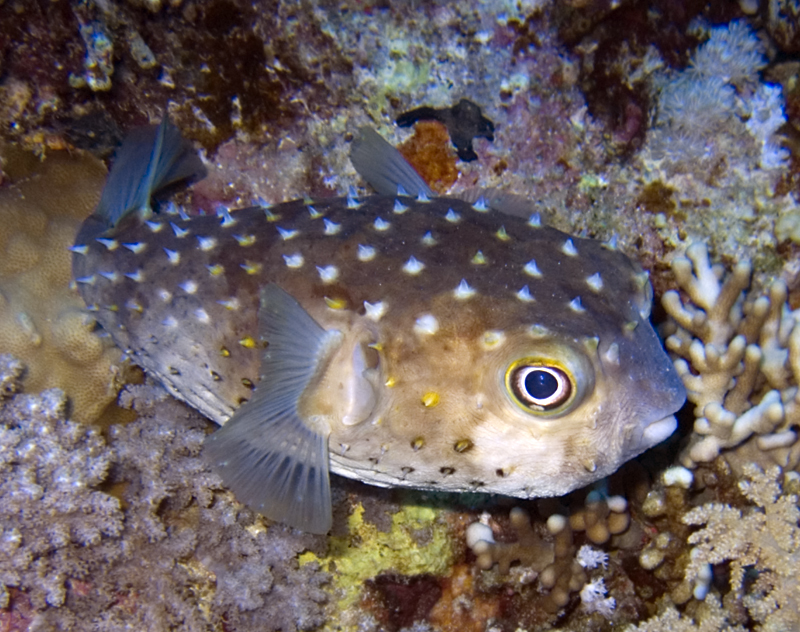 WorldPorcupinefish
Spiny marine fish that inflate into a defensive sphere to deter predators.Other · Coasts and shelves
More from Osmeridae
All of them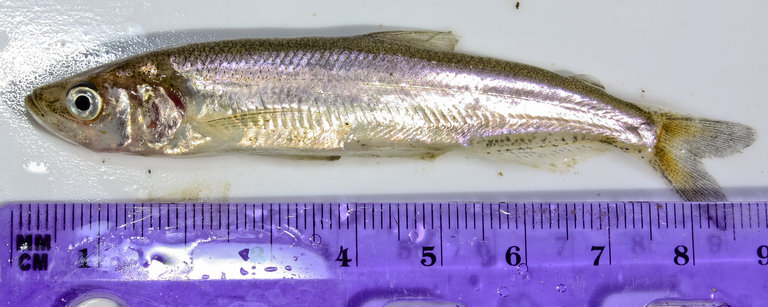 🇺🇸 United States and 1 moreLongfin smelt
Small anadromous fish of the North Pacific coastOther · Rivers and lakes
 🇺🇸 United States and 1 moreEulachon
A small anadromous smelt known for its high fat content and cultural importance in Pacific North America.Other · Rivers and lakes
 🇩🇪 Germany and 4 moreEuropean smelt
Small coastal fish with a cucumber scentOther · Rivers and lakes
 🇺🇸 United States and 4 moreSmelt
Small fish of the northern hemisphere known for spring runs and culinary traditions.Other · Rivers and lakes