
North Pacific hake
A silver-gray marine fish found in the northeast Pacific Ocean, used for surimi production.
The North Pacific hake is a ray-finned fish found from Vancouver Island to California. It supports a major commercial fishery managed by annual quotas and international treaties between the United States and Canada.
- Grows to 90 cm and lives up to 20 years.
- Migrates daily from 1,000 m depth to surface.
- Tissues spoil rapidly without enzyme inhibitors.
- Most catch becomes surimi for Asian markets.
- Managed by US-Canada international treaty.
What it is
This ray-finned fish displays metallic silver-gray scales with black speckles and a pure white belly. Adults reach approximately 90 cm in length and can live for two decades. The body features two dorsal fins and a concave tail fin that is always truncated. Pectoral fins extend past the start of the anal fin. It inhabits offshore environments across the northeast Pacific Ocean.
Where it lives
Populations stretch from northern Vancouver Island down to the northern Gulf of California. Three main stocks exist: an offshore group ranging from southern California to Queen Charlotte Sound, a central Puget Sound population, and a Strait of Georgia resident group. Offshore fish migrate northward in spring and summer to feed near Vancouver Island before returning south for winter spawning.
How it lives
These fish are nocturnal hunters that move vertically each day, rising from depths of 1,000 m to feed near the surface. Their diet consists of shrimp, plankton, lanternfish, and other small fishes. They serve as prey for sea lions, small cetaceans, and dogfish sharks. The offshore stock migrates seasonally, while resident populations remain in specific basins year-round.
Breeding and life cycle
Spawning occurs between January and June, with some females reproducing multiple times per season. Historically, females matured at larger sizes, but current Port Susan populations show maturity at smaller lengths around age three or four. Males typically reach full maturity by age three. Spawning grounds vary by stock, including areas off California and deep basins in the Strait of Georgia.
Fish and people
This species supports a vital commercial fishery along the US West Coast. Because its tissues contain enzymes that cause rapid spoilage within twelve hours, catch vessels deliver fish quickly to processing plants. There, enzyme inhibitors are added to prevent tissue disintegration. Most wild-caught hake is processed into surimi paste for crab sticks and similar products, with significant exports to Japan and Korea.
Status and threats
The offshore stock is considered healthy and certified sustainable by the Marine Stewardship Council. Annual quotas limit catches to prevent overfishing. International agreements between the US and Canada manage the coast-wide stock. While the offshore population thrives, local Puget Sound and Strait of Georgia stocks are listed as species of concern due to insufficient data and lack of directed fishing since 1991.


Questions people ask about North Pacific hake
Why is Pacific hake processed so quickly after catching?
Its tissues contain an enzyme that causes rapid spoilage within twelve hours. Processing plants add an inhibitor to raw fish to neutralize this enzyme and prevent the flesh from disintegrating during transport and storage.
What is the primary use of North Pacific hake catch?
Almost all wild-caught hake is converted into fish paste called surimi. This paste is used to make imitation crab sticks and other processed seafood products, with over seventy percent shipped to Japan and Korea.
How is the fishery managed between the US and Canada?
An agreement signed in 2003 allocates catch percentages to American and Canadian fishermen. A joint technical team assesses the stock annually, and management is coordinated under an international treaty to ensure sustainable harvest levels.
Where do North Pacific hake spawn?
Spawning happens from January to June. Offshore stocks spawn off southern California and Baja California. Resident stocks in Puget Sound spawn in Port Susan and Dabob Bay, while Strait of Georgia fish aggregate in deep basins.
Good reading and sources
- North Pacific hake on WikipediaEncyclopedia
- More photos on Wikimedia CommonsPhotos
- Wikidata recordOpen data
The facts on this page come from the Wikipedia article "North Pacific hake", written by its contributors and used under the CC BY-SA 4.0 licence, and from its Wikidata record (CC0). EveryFish rewrote the text in its own words, with AI assistance, and compares every page with the article to make sure no passage is copied. It may be reused under the same CC BY-SA 4.0 licence with a link back.
It may contain mistakes, and figures change over time. Nothing here is investment or buying advice. If something is wrong, tell us. Last refreshed 2026-11-15.
Like North Pacific hake
All other fish 🇹🇷 Turkey and 4 moreAnchovy
Small, oily forage fish found in oceans and some rivers worldwide.Herring · Coasts and shelves
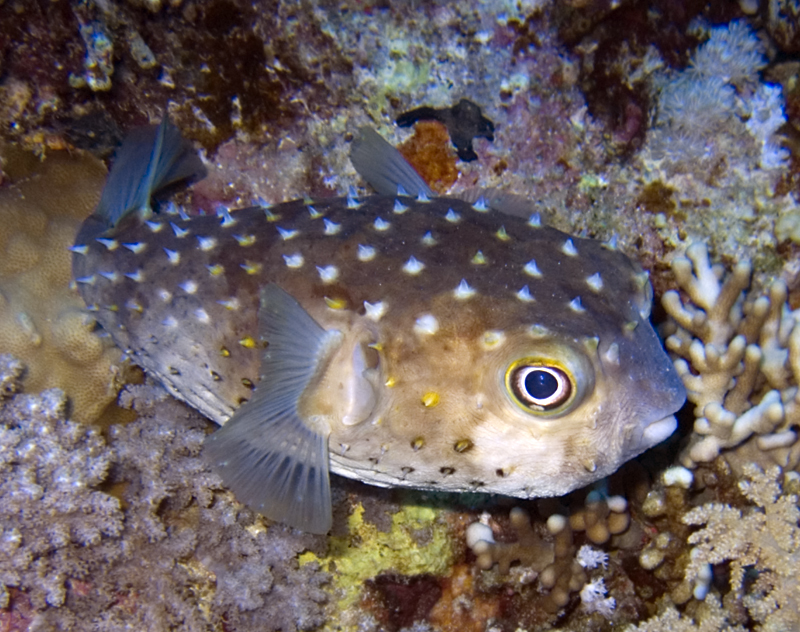 WorldPorcupinefish
Spiny marine fish that inflate into a defensive sphere to deter predators.Other · Coasts and shelves
 🇵🇭 Philippines and 4 moreMilkfish
The sole living species of the family Chanidae, found across the Indo-Pacific.Other · Coasts and shelves
 🇯🇵 Japan and 2 moreJapanese amberjack
A prized jack fish native to the northwest Pacific Ocean.Other · Coasts and shelves
More from Merlucciidae
All of them WorldHake
Commercially important gadiform fish found in deep ocean waters worldwide.Cod · Open ocean
 🇬🇧 United Kingdom and 2 moreEuropean hake
A predatory demersal fish of the eastern Atlantic and Mediterranean.Other · Coasts and shelves
🇦🇷 Argentina and 1 moreArgentine hake
Commercial hake species from the southwest Atlantic.Cod · Coasts and shelves · 1933