
Binni
A plant-eating barbel from the Tigris and Euphrates marshes.
The binni is a cyprinid fish found only in the Tigris–Euphrates Basin. It lives in vegetated lakes and marshes, feeding on plants. Local communities value it for food, though stocks have fallen due to habitat loss and heavy fishing pressure.
- Endemic to the Tigris–Euphrates Basin
- Feeds almost entirely on plants and algae
- Can grow up to 56 cm and 4 kg
- Traditional spearfishing uses lines of boats
- Umm al Binni Lake is named after it
What it is
This cyprinid is the sole member of its genus, though earlier scientists placed it in Barbus. It has an elongated shape but appears deep-bodied compared to other barbels. The skin shows a brownish-gold hue with a pale underside and darker fins. Males and females look alike, yet females grow larger. Adults can weigh up to 4 kg and measure 56 cm in total length.
Where it lives
The species is endemic to the Tigris–Euphrates river system in the Middle East. It prefers lakes and marshlands thick with vegetation, where it also reproduces. Occasionally, it enters flowing rivers. Umm al Binni Lake in Maysan Governorate was named after this fish, reflecting its past abundance in the area before the waters receded.
How it lives
It feeds primarily on plant matter, including algae, phytoplankton, and larger aquatic vegetation. Small animal remains found in stomachs are likely accidental intake during grazing. The population structure often shows more males than females. Individuals reach sexual maturity between two and four years of age and may live for up to nine years.
Breeding and life cycle
Reproduction takes place in densely vegetated zones within lakes and marshes. These areas provide cover for eggs and young fish. The species does not migrate long distances for spawning but relies on the stability of these wetland habitats. The name of Umm al Binni Lake suggests it may have served as a key breeding ground.
Fish and people
Marsh Arabs hold this fish in high regard. Traditional methods include spearfishing from linked boats or using toxic plants like Digitalis and Datura mixed with flour or dung. Net fishing was once less common and associated with specific tribes. Large-scale commercial fisheries developed after the 1960s. The fish remains culturally significant in Iraq.
Status and threats
Populations have dropped in recent decades. The draining of the Mesopotamian Marshes caused significant habitat loss. Overfishing from expanded commercial operations has also reduced stock levels. These combined pressures threaten the long-term survival of the species in its native range.
Questions people ask about Binni
What does the binni eat?
It is primarily herbivorous, consuming phytoplankton, algae, and higher aquatic plants. Any animal matter found in its stomach is usually ingested by mistake while feeding on vegetation.
Where is the binni found?
This fish is endemic to the Tigris–Euphrates Basin in the Middle East. It inhabits lakes and marshes with dense vegetation, occasionally moving into rivers.
How do locals catch binni?
Traditional methods include spearfishing from a line of boats or using poison derived from Digitalis or Datura plants. Modern large-scale fisheries also use nets.
Why is Umm al Binni Lake named after this fish?
The name reflects the former abundance of the species in the lake. It may have also served as an important spawning ground for the fish population.
Good reading and sources
The facts on this page come from the Wikipedia article "Binni", written by its contributors and used under the CC BY-SA 4.0 licence, and from its Wikidata record (CC0). EveryFish rewrote the text in its own words, with AI assistance, and compares every page with the article to make sure no passage is copied. It may be reused under the same CC BY-SA 4.0 licence with a link back.
It may contain mistakes, and figures change over time. Nothing here is investment or buying advice. If something is wrong, tell us. Last refreshed 2026-11-15.
Like Binni
All carps and minnows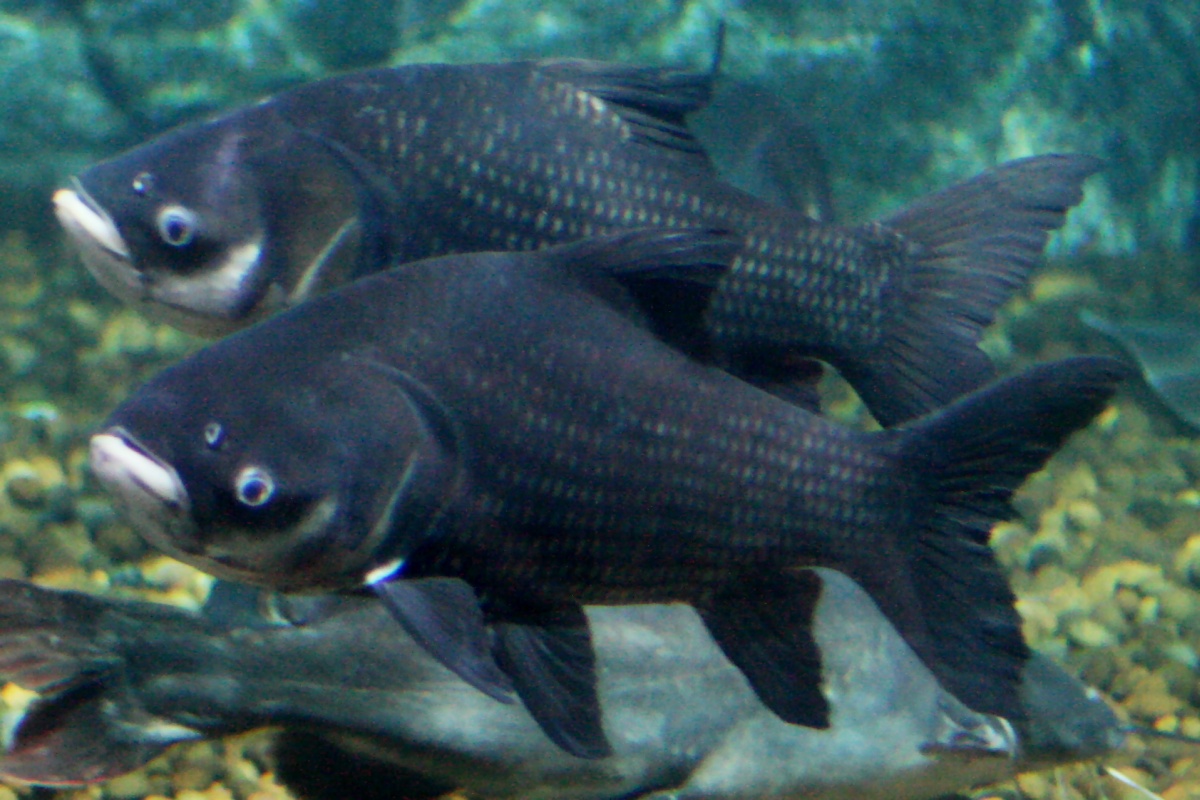 🇰🇭 Cambodia and 2 moreGiant barb
The largest cyprinid fish, native to major river basins in Southeast Asia.Carp · Rivers and lakes
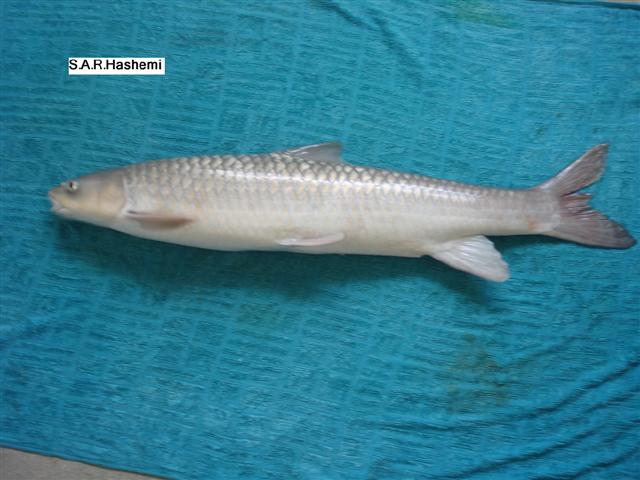 🇮🇷 Iran and 1 moreShabout
A large freshwater carp native to the Tigris-Euphrates basin in Western Asia.Carp · Rivers and lakes
 🇮🇳 India and 4 moreRohu
A large silver carp from South Asian rivers, farmed for food and prized as a game fish.Carp · Rivers and lakes
 🇷🇺 RussiaCaspian roach
A brackish water fish from the Caspian Sea region, widely consumed as a dried snack.Carp · Estuaries and mangroves
More from Cyprinidae
All of them 🇲🇾 Malaysia and 1 moreHarlequin rasbora
A small, colourful freshwater fish popular in home aquariums for its distinctive black body marking.Carp · Rivers and lakes
 WorldLabeobarbus
A genus of mid-sized ray-finned fish widely distributed in eastern and southern Africa.Carp · Rivers and lakes
 🇹🇭 Thailand and 2 moreSiamese mud carp
Freshwater cyprinid native to Mekong and Chao Phraya riversCarp · Rivers and lakes
 🇯🇵 JapanNigorobuna
Wild carp from Lake Biwa used for fermented sushi.Carp · Rivers and lakes