
Caspian roach
A brackish water fish from the Caspian Sea region, widely consumed as a dried snack.
The Caspian roach is a ray-finned fish found in the Caspian Sea and its tributaries. It is best known as vobla, a salt-cured food item popular in Russia and surrounding areas.
- Adults reach up to 45 cm and 2 kg.
- Known locally as vobla in the Caspian region.
- Salt-cured by brining and air-drying.
- Migrates to rivers like the Volga to spawn.
- Featured in an internet meme during 2022 protests.
What it is
The Caspian roach is a ray-finned fish belonging to the Leuciscidae family. It features a laterally compressed body with silvery grey irises and rounded snouts. The fins are grey with dark edges. Adults typically measure thirty to thirty-five centimetres long, though specimens may reach forty-five centimetres. Weight usually stays under one kilogram, with maximum records at two kilograms. The species has forty-two to forty-four scales along its lateral line.
Where it lives
This fish inhabits the northern and northwestern coasts of the Caspian Sea. It moves into freshwater systems including the Volga, Ural, Emba, Terek, and Kura rivers for spawning. Recent studies suggest it may be part of a broader species range extending into Siberia. Local populations are known by the name vobla within these drainage basins.
How it lives
The Caspian roach is semi-anadromous, meaning it lives in brackish water but migrates to freshwater to reproduce. It prefers shallow coastal environments. Predators and specific dietary habits are not detailed in the provided material. The fish distinguishes itself from other regional roaches through its fin structure and scale count.
Breeding and life cycle
Spawning occurs when the fish enters river drainages such as the Volga and Ural. The migration pattern supports reproduction in freshwater habitats before returning to brackish zones.
Fish and people
Vobla is a popular dried-fish snack, often eaten without sauces or side dishes. Many consumers pair it with beer to reduce the salty taste. The preparation involves soaking in brine followed by air-drying, which denatures proteins. This method creates a preserved product distinct from raw or cooked fish.
Status and threats
These discussions focus on genetic relationships rather than population health or environmental protection measures.
Questions people ask about Caspian roach
What is the common name for this fish?
It is commonly called vobla, especially when sold as a dried snack. The scientific name is Rutilus caspicus. It belongs to the Leuciscidae family, which includes daces and minnows.
How is vobla prepared for eating?
It is salt-cured rather than cooked. Fish are soaked in brine for several days, then air-dried for two days. This process denatures proteins, creating a preserved snack often eaten with beer.
Where does the Caspian roach live?
It lives in the brackish coastal waters of the northern Caspian Sea. It migrates into freshwater rivers like the Volga, Ural, and Kura to spawn. It prefers shallow depths near river mouths.
Is vobla the same as taran?
Recent research suggests they may be the same species. Taran (Rutilus heckelii) might differ from vobla only due to habitat differences. Both are now considered part of the broader Rutilus lacustris group.
Good reading and sources
- Caspian roach on WikipediaEncyclopedia
- More photos on Wikimedia CommonsPhotos
- Wikidata recordOpen data
The facts on this page come from the Wikipedia article "Caspian roach", written by its contributors and used under the CC BY-SA 4.0 licence, and from its Wikidata record (CC0). EveryFish rewrote the text in its own words, with AI assistance, and compares every page with the article to make sure no passage is copied. It may be reused under the same CC BY-SA 4.0 licence with a link back.
It may contain mistakes, and figures change over time. Nothing here is investment or buying advice. If something is wrong, tell us. Last refreshed 2026-11-15.
Like Caspian roach
All carps and minnows 🇮🇳 India and 4 moreRohu
A large silver carp from South Asian rivers, farmed for food and prized as a game fish.Carp · Rivers and lakes
 🇹🇭 Thailand and 2 moreSiamese mud carp
Freshwater cyprinid native to Mekong and Chao Phraya riversCarp · Rivers and lakes
 🇷🇺 Russia and 4 moreSabre carp
A silvery surface feeder from Eastern Europe and Asia.Carp · Rivers and lakes
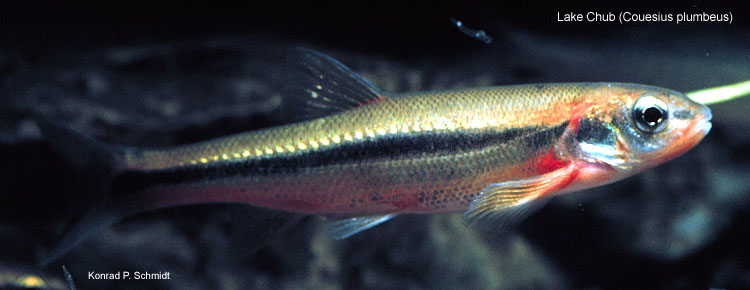 🇨🇦 Canada and 1 moreLake chub
A small cold-water minnow native to Canada and the northern US.Carp · Rivers and lakes