
Acadian redfish
A deep-water rockfish native to the northwestern Atlantic Ocean.
The Acadian redfish is a marine ray-finned fish found in the cold waters of the northwestern Atlantic. It was first described by David Humphreys Storer in 1854 and belongs to the rockfish subfamily within the scorpionfish family.
- Reaches lengths up to 508 mm and lives over 50 years.
- First described by David Humphreys Storer in 1854.
- Inhabits depths of 70 to 500 metres on clay-silt or rocky bottoms.
- Released from Endangered status after population rebound in 2012.
- Produces 15,000 to 20,000 fully formed larvae each season.
What it is
This species is a marine ray-finned fish belonging to the Sebastinae subfamily, commonly known as rockfishes. Its body displays a reddish-orange hue with four distinct bands on its flanks, which inspired the specific name fasciatus meaning banded. The fish can reach lengths of up to 508 mm and live for fifty years or longer. It closely resembles the deepwater redfish but differs in anal fin rays and gas bladder structure.
Where it lives
Native to the northwestern Atlantic Ocean, this fish inhabits waters extending from Virginia northward to the Gulf of St. Lawrence, Nova Scotia, western Greenland, and Iceland. It dwells at depths between 70 and 500 metres. Individuals swim near the seabed, preferring environments with clay-silt substrates or rocky formations.
How it lives
Diet consists of crustaceans, mollusks, and smaller fish. Predators include halibut, Atlantic cod, swordfishes, and harbor seals. The species exhibits slow growth and low fecundity. It has been observed hybridizing with the beaked redfish. Genetic testing or internal examination helps distinguish it from similar species.
Breeding and life cycle
Spawning occurs from autumn through late winter. The species is ovoviviparous, meaning females release fully formed larvae into the water rather than eggs. Each female produces between fifteen thousand and twenty thousand larvae per season.
Fish and people
Considered a valuable food fish, it attracts sport fishing due to its tendency to bite various baits. Historical overfishing led to an Endangered classification in 1996. Conservation measures later allowed the population to rebuild, achieving sustainable management status under U.S. regulations by 2012.
Status and threats
The IUCN listed the Acadian redfish as Endangered in 1996 due to slow growth and high vulnerability to fishing pressure. Subsequent conservation efforts facilitated a population rebound. By 2012, the species was deemed fully rebuilt and sustainably managed, reflecting successful regulatory intervention.

Questions people ask about Acadian redfish
What does the Acadian redfish eat?
It feeds on a variety of crustaceans, mollusks, and smaller fish found in its deep-water habitat.
How is it different from the deepwater redfish?
They look alike but differ in anal fin soft rays, gas bladder structure, and genetics. Testing is needed for certainty.
Is the Acadian redfish safe to eat?
Yes, it is considered a great food fish and is harvested sustainably under current regulations following past conservation efforts.
Where does the Acadian redfish live?
It lives in the northwestern Atlantic from Virginia to Iceland, typically at depths between 70 and 500 metres near the seabed.
Good reading and sources
- Acadian redfish on WikipediaEncyclopedia
- More photos on Wikimedia CommonsPhotos
- Wikidata recordOpen data
The facts on this page come from the Wikipedia article "Acadian redfish", written by its contributors and used under the CC BY-SA 4.0 licence, and from its Wikidata record (CC0). EveryFish rewrote the text in its own words, with AI assistance, and compares every page with the article to make sure no passage is copied. It may be reused under the same CC BY-SA 4.0 licence with a link back.
It may contain mistakes, and figures change over time. Nothing here is investment or buying advice. If something is wrong, tell us. Last refreshed 2026-11-15.
Like Acadian redfish
All sharks 🇦🇺 AustraliaGummy shark
A bottom-dwelling shark from southern Australia known for its crushing teeth and commercial fillets.Shark · Coasts and shelves
 WorldOpah
A deep-bodied, warm-blooded pelagic fish known for its red color and unique heat-retaining anatomy.Shark · Open ocean · 1839
 WorldGalapagos shark
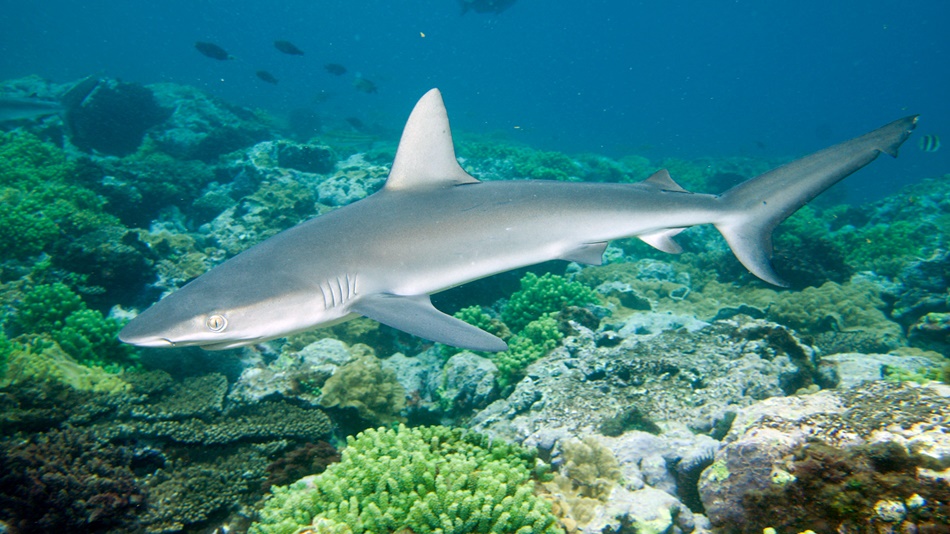
Large requiem shark of tropical oceanic islandsShark · Coasts and shelves · 1905
 WorldSalmon shark
A warm-blooded mackerel shark of the northern PacificShark · Coasts and shelves
More from Scorpaenidae
All of them WorldDevil firefish
Venomous Indo-Pacific reef fish with feathery finsOther · Coasts and shelves · 1828
 WorldLionfish
Venomous marine fish of the genus Pterois known for striking stripes and invasive spread.Ray · Coral reefs · 1900
 WorldLeaf scorpionfish
A small reef fish that mimics a drifting leaf to ambush prey.Other · Coral reefs · 1802
 🇮🇳 India and 4 moreReef stonefish
A highly venomous marine fish known for its rock-like camouflage and potent toxins.Other · Coasts and shelves · 1801