
Salmon shark
A warm-blooded mackerel shark of the northern Pacific
The salmon shark is a large apex predator in the northern Pacific Ocean. It maintains a high body temperature to hunt in cold waters. This species feeds mainly on salmon and other fish. It faces threats from ocean warming despite its current stable status.
- Maintains internal body temperature up to 19°C
- Hunts in groups of up to 40 individuals
- Embryos feed on unfertilised eggs inside the womb
- Heart is considered a delicacy in parts of Japan
- No confirmed attacks on humans recorded
What it is
This medium-sized shark has a streamlined body similar to a small great white. Adults are grey or black above with a white belly marked by dark blotches. Juveniles lack these spots. The snout is short and conical. Forward-facing eyes provide binocular vision for hunting. A distinctive feature is the double keel on the tail fin. This structure aids in fast swimming. The species grows up to three metres in length. Males are generally smaller than females.
Where it lives
These sharks inhabit the northern Pacific Ocean. Their range extends from the Sea of Japan to Alaska. They live in offshore continental waters and near coasts. Tagging data shows they travel between sub-Arctic and subtropical zones. Most time is spent in surface waters. Individuals can dive to depths of over 600 metres. Juveniles stay in coastal areas along North America. They prefer water temperatures between 12 and 16 degrees Celsius.
How it lives
As apex predators, they eat salmon, squid, and herring. They also consume seabirds and walleye pollock. Hunting often occurs in groups of thirty or more. These aggregations target salmon runs in places like Alaska. Solitary hunting also takes place. The shark maintains a high internal temperature. This allows activity in cold environments. Average internal heat reaches 19 degrees Celsius. This trait supports high energy needs similar to sea lions.
Breeding and life cycle
Females give birth to live young after internal development. Embryos feed on unfertilised eggs produced by the mother. Litters contain two to six pups. Births occur along the coast of Baja California. Females mature at eight to ten years old. Males reach maturity around age five. Mating likely happens in late summer. The reproductive cycle may span two years. Newborns are independent immediately after birth.
Fish and people
Fishermen in Alaska and British Columbia catch them for sport. Regulations limit the number kept per year. The meat is eaten by humans. In Kesennuma, Japan, the heart is served as sashimi. Some traditional medicines use male fins. Commercial fisheries view them as pests. They damage nets and eat caught fish. No dedicated commercial fishery exists. Reports of attacks on humans are unconfirmed.
Status and threats
The species is listed as Least Concern. Slow growth and reproduction make it vulnerable to overfishing. Juveniles are sensitive to rising coastal temperatures. Ocean warming poses a significant future threat. Population declines have been noted by Alaskan fishermen. Sex ratios differ between eastern and western populations. Western groups have more males, possibly due to fishing pressure.


Questions people ask about Salmon shark
Why is it called the salmon shark?
The name comes from its primary diet. Salmon make up a large part of what this predator eats. It often hunts in areas where salmon migrate in large numbers.
Can salmon sharks survive in cold water?
Yes, they can regulate their body temperature. Special blood vessels keep their internal heat higher than the surrounding water. This allows them to thrive in cold northern oceans.
Are salmon sharks dangerous to people?
There are no confirmed reports of attacks on humans. While they are large predators, they do not seem to target people. Divers have encountered them without incident.
Where do baby salmon sharks grow up?
Pups are born along the coast of Baja California. Juveniles stay in coastal waters off North America. They prefer slightly warmer temperatures than adults during this stage.
Good reading and sources
The facts on this page come from the Wikipedia article "Salmon shark", written by its contributors and used under the CC BY-SA 4.0 licence, and from its Wikidata record (CC0). EveryFish rewrote the text in its own words, with AI assistance, and compares every page with the article to make sure no passage is copied. It may be reused under the same CC BY-SA 4.0 licence with a link back.
It may contain mistakes, and figures change over time. Nothing here is investment or buying advice. If something is wrong, tell us. Last refreshed 2026-11-15.
Like Salmon shark
All sharks WorldGalapagos shark
Large requiem shark of tropical oceanic islandsShark · Coasts and shelves · 1905
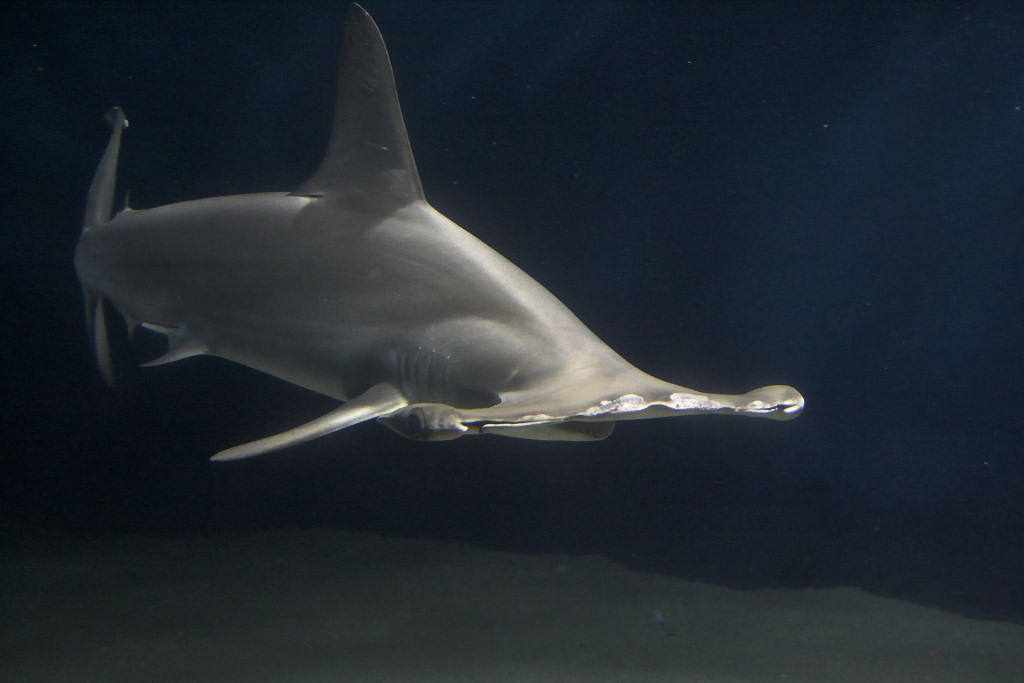 WorldHammerhead shark
Sharks with T-shaped heads for better vision and sensing prey.Shark · Coasts and shelves
 WorldSchool shark
A temperate houndshark valued for liver oil and meat.Shark · Coasts and shelves
 WorldBroadnose sevengill shark
A large coastal shark with seven gill slits and spotted skin.Shark · Coasts and shelves
More from Lamnidae
All of them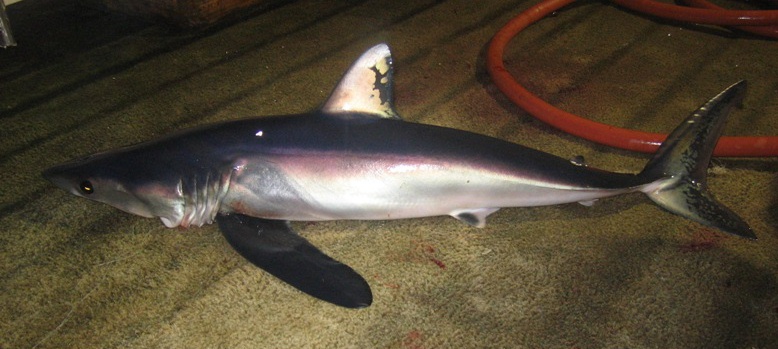 WorldMako shark
Fast predatory sharks of the genus Isurus, known for their speed and blue-grey colour.Shark · Open ocean
 WorldGreat white shark
A large, globally distributed predator known for its size and apex status in marine ecosystems.Shark · Coasts and shelves · 1758
 WorldPorbeagle
A fast, cold-water mackerel shark found in the Atlantic and Southern Hemisphere.Shark · Coasts and shelves · 1788
WorldLongfin mako shark
A rare, deep-water mackerel shark with long pectoral finsShark · Open ocean · 1966