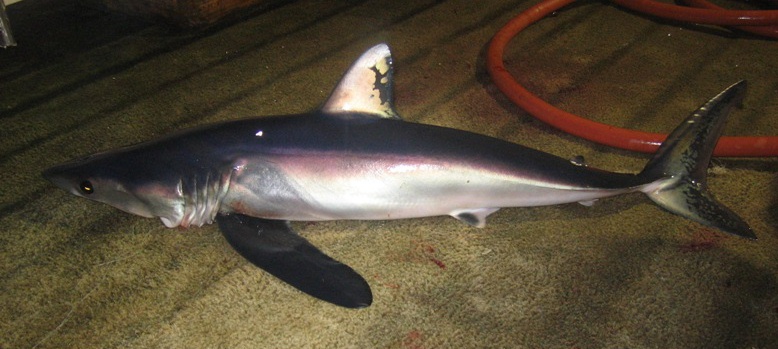
Mako shark
Fast predatory sharks of the genus Isurus, known for their speed and blue-grey colour.
Mako sharks are large, pelagic predators belonging to the genus Isurus. They include two living species, the shortfin and longfin mako, both classified as endangered by the IUCN due to fishing pressures.
- Shortfin mako reaches speeds up to 74 km/h in bursts.
- Maximum weight recorded at approximately 680 kg.
- Both species listed as Endangered by the IUCN.
- Genus name Isurus means equal tail.
- Diverged from great white shark lineage 43-60 million years ago.
What it is
Mako sharks are large predatory fish belonging to the genus Isurus, which translates to 'equal tail'. These animals are largely pelagic, meaning they inhabit open ocean waters rather than coastal areas. They display a distinctive blue-grey colour scheme typical of mackerel sharks. The group includes two extant species: the shortfin mako and the longfin mako. Females are generally larger than males, showing sexual dimorphism. Adults range from 2.5 to 4.5 metres in length, with a maximum recorded weight of approximately 680 kilograms. They are renowned for their agility and speed, capable of reaching high velocities while hunting.
Where it lives
These sharks are found in pelagic environments across the world's oceans. They do not restrict themselves to specific coastal zones but roam widely in open water. The fossil record suggests ancient relatives existed during the Late Cretaceous, though modern Isurus likely appeared during the Oligocene. Molecular studies indicate their lineage diverged from the great white shark between 43 and 60 million years ago. This wide distribution allows them to thrive in various marine conditions, though they remain strictly tied to oceanic habitats.
How it lives
Mako sharks are apex predators known for exceptional speed. The shortfin mako is considered the fastest shark, achieving bursts of up to 74 km/h. The longfin mako is slower but still formidable, reaching lengths over 2.5 metres. They hunt actively in open waters, relying on speed to catch prey. Their diet consists of other fish, reflecting their role as top-tier carnivores. As members of the Lamnidae family, they share traits with other large lamnid sharks like the great white. Their predatory nature makes them significant players in marine ecosystems, controlling populations of smaller fish.
Breeding and life cycle
Information on breeding cycles or reproductive strategies is absent from the provided material.
Fish and people
Mako sharks are targeted by commercial and recreational fisheries. They are valued for their meat, which appears in markets under names like shark meat. Sport fishing also targets these fast-swimming predators due to the challenge they present. However, both species are classified as Endangered by the IUCN. Overfishing poses a significant threat to their survival. Conservation efforts are needed to protect these populations from depletion caused by human activity and demand for their flesh.
Status and threats
Both the shortfin and longfin mako sharks are classified as Endangered by the International Union for Conservation of Nature (IUCN). This status reflects severe population declines driven primarily by overfishing. Commercial fleets target them for food and sport, leading to unsustainable harvest rates. Climate change and habitat alterations may further impact their numbers. Current conservation measures aim to mitigate these threats, but the species remains vulnerable to continued exploitation without stricter management protocols.
Questions people ask about Mako shark
How fast can a mako shark swim?
The shortfin mako is the fastest shark, capable of swimming at speeds up to 74 km/h in bursts. The general genus is noted for speeds up to 50 km/h, making them among the quickest marine predators.
What is the difference between shortfin and longfin mako sharks?
The shortfin mako is faster and smaller, while the longfin mako is larger and slower. Longfins can exceed 2.5 metres in length and weigh over 70 kg, making them the second largest in their family after the great white shark.
Are mako sharks endangered?
Yes, both the shortfin and longfin mako species are classified as Endangered by the IUCN. This status results from significant population declines caused primarily by commercial and recreational fishing pressures.
Where do mako sharks live?
Mako sharks are pelagic, meaning they live in open ocean waters worldwide. They do not stay near coasts but roam widely in deep sea environments, following prey across vast marine regions.
Good reading and sources
The facts on this page come from the Wikipedia article "Mako shark", written by its contributors and used under the CC BY-SA 4.0 licence, and from its Wikidata record (CC0). EveryFish rewrote the text in its own words, with AI assistance, and compares every page with the article to make sure no passage is copied. It may be reused under the same CC BY-SA 4.0 licence with a link back.
It may contain mistakes, and figures change over time. Nothing here is investment or buying advice. If something is wrong, tell us. Last refreshed 2026-11-15.
Like Mako shark
All sharks WorldBroadnose sevengill shark
A large coastal shark with seven gill slits and spotted skin.Shark · Coasts and shelves
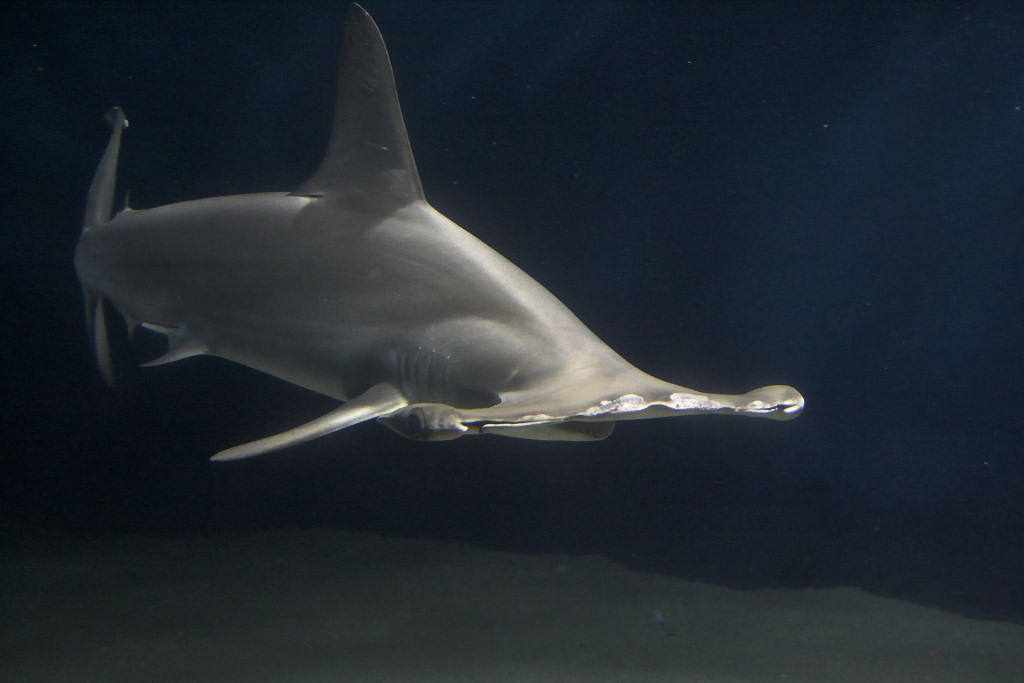 WorldHammerhead shark
Sharks with T-shaped heads for better vision and sensing prey.Shark · Coasts and shelves
 WorldBasking shark
The second-largest living fish, a slow-moving filter feeder found in temperate oceans worldwide.Shark · Coasts and shelves · 1765
 WorldCommon thresher
The largest thresher shark, known for its whip-like tail used to stun prey in cool coastal and open waters.Shark · Coasts and shelves · 1788
