
Opah
A deep-bodied, warm-blooded pelagic fish known for its red color and unique heat-retaining anatomy.
The opah is a large, disc-shaped fish belonging to the family Lampridae. It is notable for being the only fish with whole-body endothermy, allowing it to thrive in cold, deep waters by maintaining internal temperatures above ambient levels.
- Only fish with whole-body endothermy, keeping organs warmer than surrounding water.
- Uses a rete mirabile in gills to trap heat and prevent loss to cold ocean currents.
- Swims by flapping pectoral fins like wings, enabling sustained high-speed travel.
- Can maintain brain and eye temperatures 2°C higher than body temperature.
- Adults reach up to 270 kg, making them among the largest lampridiform fish.
What it is
The opah is a strikingly colored, disc-shaped fish with a deep body and laterally compressed form. Its scales are minute and covered in a silvery coating that wears off easily. The skin displays a vibrant red-orange hue on the back, fading to rosy white on the belly, with white spots scattered across the flanks. Fins are bright vermilion, and large eyes are ringed with golden yellow. The snout is pointed, and the lateral line arches high over the pectoral fins before curving down toward the tail. Adults can reach lengths of two meters and weights up to 270 kilograms, though some species remain smaller.
Where it lives
Opah inhabit temperate and tropical oceans globally. They typically dwell at mesopelagic depths between 50 and 500 meters, occasionally venturing into deeper bathypelagic zones. Their vertical movement follows daily patterns: they stay shallower at night to avoid predators and dive deeper during the day. They prefer waters warmer than 7°C and rarely exceed 400 meters in depth. Different species occupy specific regions, such as the North Atlantic, Eastern Pacific, and Southern Hemisphere oceans, with ranges often non-overlapping.
How it lives
These solitary fish swim using a labriform mode, flapping their large pectoral fins to generate lift, similar to how birds fly. They can maintain high speeds due to their forked tails and streamlined bodies. Opah feed on small fish, squid, krill, and other pelagic creatures. Large sharks, including great whites and makos, prey upon them. Larvae resemble ribbonfish initially but transform rapidly into their characteristic deep-bodied shape within weeks. They may school with tuna but generally live alone in open water.
Fish and people
Opah are targeted by commercial and recreational fisheries due to their size and abundance in certain areas. Their firm, white flesh is considered good eating, often sold fresh or frozen. Sport anglers prize them for their fighting ability and distinctive appearance. While not heavily exploited everywhere, their slow growth and late maturity make them vulnerable to overfishing in some regions. Local names vary by region, but they are widely recognized as moonfish or sunfish in English-speaking markets.
Status and threats
The International Union for Conservation of Nature lists the opah as Least Concern. However, data deficiencies exist for several species within the genus. Overfishing poses a threat in areas where populations are concentrated. Climate change and ocean warming may alter their distribution and prey availability. Conservation efforts focus on monitoring stock levels and managing fishing quotas to ensure sustainable harvests. Some species have restricted ranges, making them more susceptible to local depletion.


Questions people ask about Opah
Is the opah really warm-blooded?
Yes, it is the only fish known to exhibit whole-body endothermy. It generates heat through muscle metabolism and retains it using specialized blood vessel networks in its gills and brain, keeping internal organs warmer than the surrounding cold water.
How does the opah stay warm in deep water?
It uses a counter-current heat exchanger called the rete mirabile in its gills. Warm blood flowing out transfers heat to cold blood returning, preventing heat loss. Fat insulation and cranial heating further help maintain elevated body temperatures.
What do opah eat?
They consume smaller fish, squid, krill, and other large pelagic organisms. Their diet consists mainly of invertebrates and mid-sized fish found in the mesopelagic zone where they hunt.
Are opah dangerous to humans?
No, they are not venomous or aggressive toward humans. They are safe to handle and are valued as food fish and sport catches. Their primary threats come from large sharks and human fishing activities.
Good reading and sources
The facts on this page come from the Wikipedia article "Opah", written by its contributors and used under the CC BY-SA 4.0 licence, and from its Wikidata record (CC0). EveryFish rewrote the text in its own words, with AI assistance, and compares every page with the article to make sure no passage is copied. It may be reused under the same CC BY-SA 4.0 licence with a link back.
It may contain mistakes, and figures change over time. Nothing here is investment or buying advice. If something is wrong, tell us. Last refreshed 2026-11-15.
Like Opah
All sharks 🇺🇸 United States and 1 moreAcadian redfish
A deep-water rockfish native to the northwestern Atlantic Ocean.Shark · Deep sea · 1854
 🇯🇵 Japan and 3 moreFrilled shark
An ancient, eel-like deep-sea shark with six pairs of gill slits and needle teeth.Shark · Open ocean · 1884
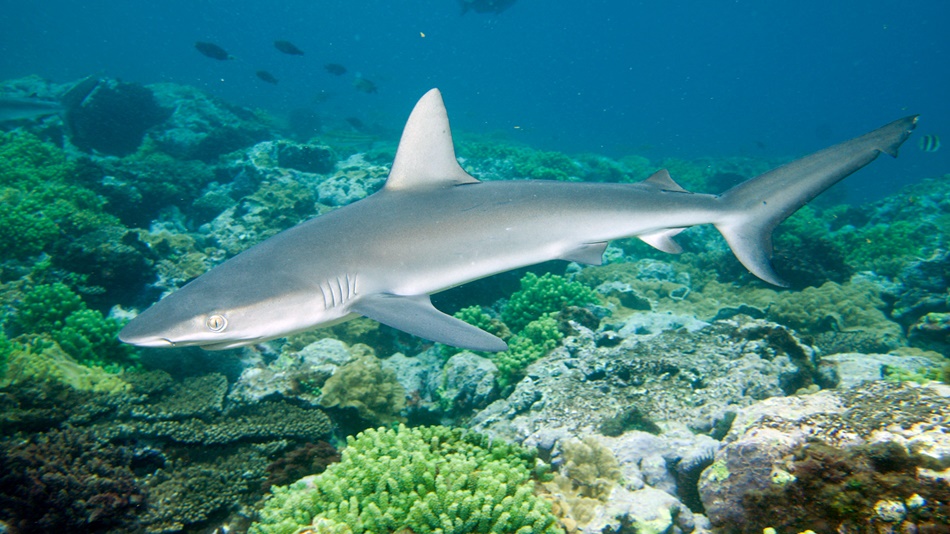 WorldGalapagos shark
Large requiem shark of tropical oceanic islandsShark · Coasts and shelves · 1905
 WorldSalmon shark
A warm-blooded mackerel shark of the northern PacificShark · Coasts and shelves