
Tor mahseer
Large cyprinid fish of Himalayan rivers with record-sized scales.
The tor mahseer is a large freshwater fish native to fast-flowing rivers in South Asia. It serves as an important food and game species but faces severe population declines due to dams, pollution and overfishing across its range.
- Scales can reach up to 10 cm in length
- Declared state fish of Madhya Pradesh in 2011
- Maximum recorded length is 200 cm
- Listed as Data Deficient by IUCN
- Dams block migration and threaten survival
What it is
This cyprinid fish grows to impressive sizes, with adults reaching maturity at 36 centimetres. Records show individuals growing up to 150 centimetres, with a maximum length of two metres. Its body is protected by exceptionally large scales that can measure up to ten centimetres each. The mouth sits below the head tip, and small sensory barbels hang from the corners. These features suggest it feeds along the river bed. It inhabits fast-moving waters with rocky substrates in several South Asian nations.
Where it lives
The species lives in the Himalayan river systems of India, Nepal, Bhutan, Bangladesh and Pakistan. Populations also exist in central Indian rivers, including tributaries of the Ganges and Yamuna basins. It is found in the Narmada basin and as far south as the Savitri River in Maharashtra. Climatic and river conditions vary widely across this vast area. Scientists note that careful study is required to confirm if all these populations belong to this specific species or represent undescribed relatives.
How it lives
Its sub-terminal mouth and barbels indicate a lifestyle focused on feeding from the river bottom. This adaptation allows it to share habitats with other mahseer species by exploiting different food sources. Little research exists on its daily behaviour or predators, largely because numbers have dropped so sharply. Anglers report seeing very few young fish in Himalayan rivers today. This lack of juveniles suggests that natural breeding cycles may be disrupted. The co-habiting golden mahseer spawns at higher elevations, but similar data for this species remains scarce.
Breeding and life cycle
Scientific understanding of its spawning habits is limited due to the alarming decline in wild stocks. Some evidence suggests that dam construction has altered migration routes and breeding behaviours. The absence of juvenile fish in many rivers points to failed reproduction or blocked access to spawning grounds. Unlike some relatives that move to high-altitude tributaries, the specific reproductive needs of this fish are not well documented. Restocking efforts are complicated by this lack of knowledge about its natural life cycle.
Fish and people
It is a valued target for sport fishing and provides commercial food in its native range. In 2011, the government of Madhya Pradesh named it the official state fish. Despite its cultural and economic importance, populations are collapsing. Traditional practices such as the religious release of non-native species inadvertently introduce invasive competitors. These actions harm local ecosystems. Fishing pressure remains high, and the fish is prized by anglers for its size and fighting ability in fast currents.
Status and threats
The International Union for Conservation of Nature lists it as Data Deficient. This status reflects uncertainty about species identification across its wide range. Studies often focus on central Indian rivers without comparing them to the type locality in West Bengal. Major threats include pollution, overfishing and climate change. Dam projects, such as the planned Pancheswar Dam on the Sarda River, block migration routes. Glacial melt and rising water temperatures further stress the population. Incorrect restocking attempts have previously caused more harm than good.

Questions people ask about Tor mahseer
How large does the tor mahseer grow?
This fish matures at 36 centimetres but can grow much larger. Recorded lengths reach 150 centimetres, with a maximum size of two metres. It is distinguished by its massive scales, which can be up to ten centimetres long.
Why is the conservation status listed as Data Deficient?
Scientists cannot always correctly identify the fish across its range. Many studies do not compare specimens from different rivers to the original type locality. This uncertainty makes it difficult to assess exact population numbers and trends accurately.
What are the main threats to this species?
Pollution, overfishing and climate change are major issues. Dam construction blocks migration routes essential for spawning. The release of non-native species for religious purposes also introduces invasive competitors that harm the wild population.
Good reading and sources
The facts on this page come from the Wikipedia article "Tor tor", written by its contributors and used under the CC BY-SA 4.0 licence, and from its Wikidata record (CC0). EveryFish rewrote the text in its own words, with AI assistance, and compares every page with the article to make sure no passage is copied. It may be reused under the same CC BY-SA 4.0 licence with a link back.
It may contain mistakes, and figures change over time. Nothing here is investment or buying advice. If something is wrong, tell us. Last refreshed 2026-11-15.
Like Tor mahseer
All carps and minnows
🇮🇳 India and 1 moreTor khudree
A large freshwater carp native to Indian rivers, known for its silvery body and red fins.Carp · Rivers and lakes · 1838
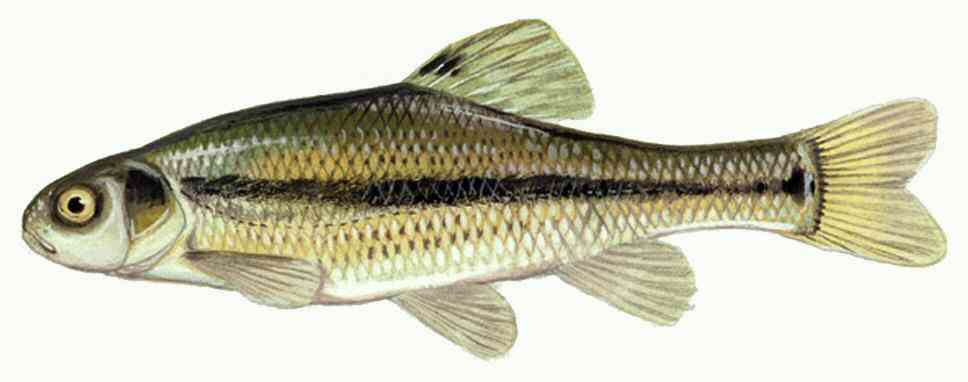 WorldMinnow
Small freshwater fish from the Cyprinidae family used as bait and food.Carp · Rivers and lakes
 🇮🇳 India and 4 moreRohu
A large silver carp from South Asian rivers, farmed for food and prized as a game fish.Carp · Rivers and lakes
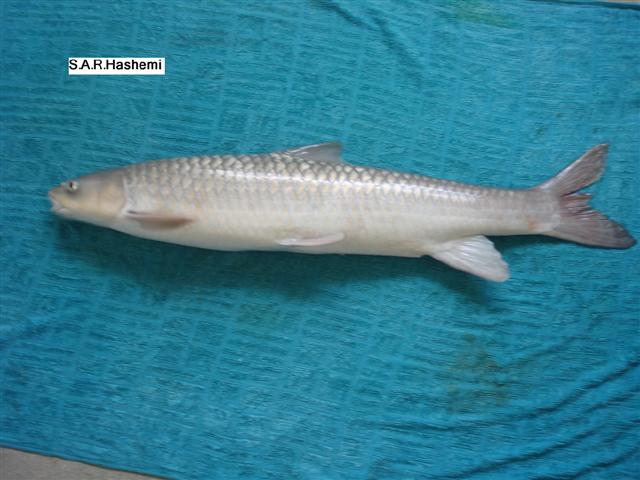 🇮🇷 Iran and 1 moreShabout
A large freshwater carp native to the Tigris-Euphrates basin in Western Asia.Carp · Rivers and lakes
More from Cyprinidae
All of them 🇮🇳 India and 4 moreCommon snowtrout
A cold-water cyprinid from Himalayan rivers.Carp · Rivers and lakes
 🇲🇾 Malaysia and 1 moreHarlequin rasbora
A small, colourful freshwater fish popular in home aquariums for its distinctive black body marking.Carp · Rivers and lakes
🇵🇰 Pakistan and 3 moreGolden barb
Small Asian cyprinid found in rivers and aquariumsCarp · Rivers and lakes
 🇹🇭 Thailand and 2 moreSiamese mud carp
Freshwater cyprinid native to Mekong and Chao Phraya riversCarp · Rivers and lakes