
Common snowtrout
A cold-water cyprinid from Himalayan rivers.
The common snowtrout is a ray-finned fish native to the Himalayan river systems of South and Central Asia. It thrives in fast-flowing, cold streams where it clings to rocks using a specialised adhesive organ. Local communities value it as a food source, but populations face decline due to overfishing, pollution, dam construction and invasive species.
- Uses a keratinized adhesive organ to cling to rocks in fast currents
- Makes up to 64% of fish catch in some Himalayan upland systems
- Spawning peaks in September when water temperatures reach 10–17 °C
- Herbivorous diet consists mainly of algae and detritus from substrates
- Tolerates water temperatures from near freezing up to 20 °C
What it is
The common snowtrout is a member of the carp family with a streamlined body designed for swift currents. Its skin is smooth and covered in small scales that aid cutaneous respiration. The head is short and blunt, featuring an inferior mouth where the upper jaw extends beyond the lower. A distinctive hard, papillated strip on the chin acts as an adhesive organ. Two pairs of barbels sit near the mouth, each smaller than the eye diameter. The dorsal fin begins near the snout tip and possesses a strong, serrated bony spine. Pectoral fins are shorter than the head, while pelvic fins do not reach the vent. Scales form a tiled sheath around the vent and anal fin, and the lateral line is complete and arched.
Where it lives
This species inhabits riverine systems across the Himalayas, including regions in India, Nepal, Bhutan, Pakistan and Afghanistan. Water temperature dictates its distribution, with an upper tolerance of approximately 20 °C. It remains active in near-freezing conditions during winter months in both the Lesser and Greater Himalayas. The fish prefers streams with moderate to fast flow speeds, where it can cling to the rocky bottom. It is the most common member of its subfamily in this mountainous region.
How it lives
Common snowtrout spend much of their lives swimming against the current to maintain position and facilitate breathing. Their streamlined shape reduces resistance, allowing efficient movement through torrents. Large, muscular pectoral and pelvic fins help resist the flow, while the ventral adhesive organ allows them to clutch onto stones. They are herbivorous, using keratinized lips to scrape algae and detritus from the substrate. The fish exhibits territorial behaviour, chasing intruders to defend food sources and shelter. This defensive trait develops after young fish emerge from eggs laid in gravel.
Breeding and life cycle
Breeding occurs between June and October, with a peak in September, though some spawning happens in spring. Gonads mature in winter but remain dormant due to low temperatures, activating when conditions improve. Rising water temperatures from near freezing to 10–17 °C trigger the process. In the Sutlej River, migration upstream begins in March, moving to warmer side streams for spawning. In the Ravi River, spawning takes place in May, while in the upper Beas, it occurs in July and August. Eggs are large, sticky and laid in shallow pools 50–70 cm deep, adhering to the bottom until hatching.
Fish and people
Local communities in the Central and northwestern Himalayas value this fish for both cultural and economic reasons. It constitutes up to 64 per cent of the total catch in upland riverine systems in the Kumaun and Garhwal regions. As a result, it serves as a significant food source for surrounding populations. Fisheries typically target the species during winter in the lower reaches of Himalayan rivers. Its presence is deeply integrated into the local livelihoods and dietary traditions of these mountain areas.
Status and threats
Populations are declining due to several threats, including overfishing, pollution and river damming. The introduction of exotic species, particularly salmonids like brown trout, poses a significant risk to their persistence. Additional challenges include habitat fragmentation, slow growth rates, poor disease resistance and low survival rates. Climate change is predicted to cause a range shift towards higher elevations as water temperatures rise. These factors combined threaten the long-term viability of the species in its native habitat.

Questions people ask about Common snowtrout
How does the common snowtrout stay in place in fast rivers?
It uses a specialised adhesive organ on the ventral part of its head, just beneath the lower lip. This structure, made of keratinized cells, creates friction against rocky substrates, allowing the fish to cling firmly despite strong currents.
What does the common snowtrout eat?
This species is herbivorous. It feeds primarily on algae, aquatic plants and detritus. It uses its keratinized lips to scrape this food material directly off the rocky substrate of the riverbed.
When is the best time for common snowtrout to spawn?
The breeding season runs from June to October, with a peak in September. Spawning is triggered by rising water temperatures between 10 and 17 °C, which usually occur in late spring and summer depending on the specific river system.
Why is the common snowtrout important to local people?
It holds significant commercial and cultural value in the Himalayas. In some regions like Kumaun and Garhwal, it makes up nearly two-thirds of the total fish catch, serving as a vital food source for local communities.
Good reading and sources
- Common snowtrout on WikipediaEncyclopedia
- More photos on Wikimedia CommonsPhotos
- Wikidata recordOpen data
The facts on this page come from the Wikipedia article "Common snowtrout", written by its contributors and used under the CC BY-SA 4.0 licence, and from its Wikidata record (CC0). EveryFish rewrote the text in its own words, with AI assistance, and compares every page with the article to make sure no passage is copied. It may be reused under the same CC BY-SA 4.0 licence with a link back.
It may contain mistakes, and figures change over time. Nothing here is investment or buying advice. If something is wrong, tell us. Last refreshed 2026-11-15.
Like Common snowtrout
All carps and minnows 🇮🇶 IraqBinni
A plant-eating barbel from the Tigris and Euphrates marshes.Carp · Rivers and lakes
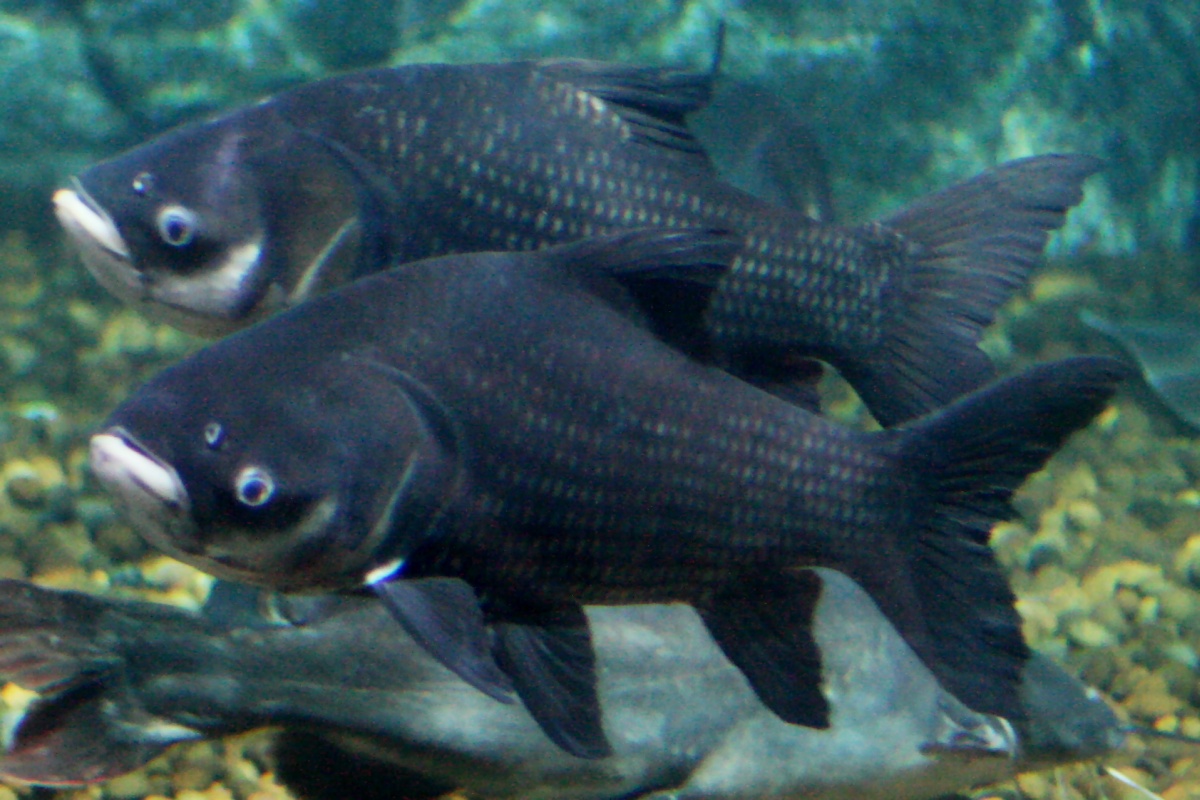 🇰🇭 Cambodia and 2 moreGiant barb
The largest cyprinid fish, native to major river basins in Southeast Asia.Carp · Rivers and lakes
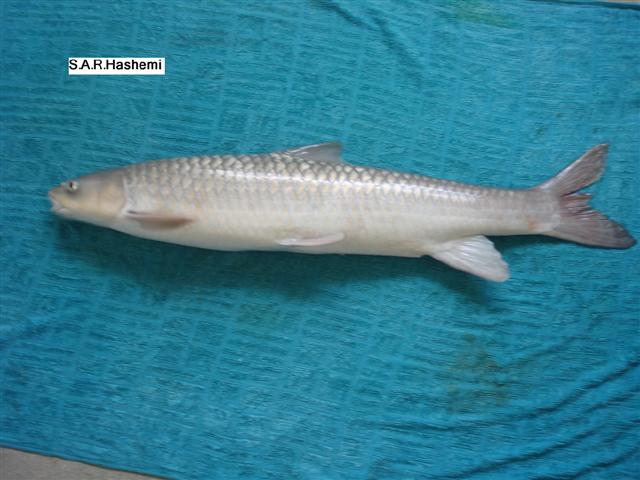 🇮🇷 Iran and 1 moreShabout
A large freshwater carp native to the Tigris-Euphrates basin in Western Asia.Carp · Rivers and lakes
 🇷🇺 RussiaCaspian roach
A brackish water fish from the Caspian Sea region, widely consumed as a dried snack.Carp · Estuaries and mangroves
More from Cyprinidae
All of them 🇮🇳 India and 4 moreRohu
A large silver carp from South Asian rivers, farmed for food and prized as a game fish.Carp · Rivers and lakes
 🇲🇾 Malaysia and 1 moreHarlequin rasbora
A small, colourful freshwater fish popular in home aquariums for its distinctive black body marking.Carp · Rivers and lakes
🇵🇰 Pakistan and 3 moreGolden barb
Small Asian cyprinid found in rivers and aquariumsCarp · Rivers and lakes
 🇹🇭 Thailand and 2 moreSiamese mud carp
Freshwater cyprinid native to Mekong and Chao Phraya riversCarp · Rivers and lakes