
Threespot dascyllus
A small black and white reef fish with three distinct spots.
The threespot dascyllus is a damselfish native to the Indo-Pacific reefs. It features a dark body with three white markings and lives in groups around coral or anemones. Juveniles seek shelter in sea anemones, while adults inhabit rocky areas. This species is popular in home aquariums due to its hardy nature and striking appearance.
- Named for three white spots on a dark body
- Juveniles shelter in sea anemones for protection
- Found in Indo-Pacific reefs up to 55 m deep
- Grows up to 14 cm in large aquariums
- Uses sound to recognize members of its group
What it is
This small reef fish belongs to the damselfish family. Its body ranges from grey to black, marked by two white spots on the sides and one on the forehead. These markings resemble domino tiles, giving the fish its common nickname. Adults typically reach lengths of 13 centimetres in the wild. In captivity, they may grow slightly larger, up to 14 centimetres. The intensity of the spots can vary, with some individuals showing reduced markings or lacking the forehead spot entirely.
Where it lives
The species inhabits the Indo-Pacific region. Its distribution extends from the Red Sea and East Africa across to the Pitcairn Islands. Northern limits include southern Japan, while southern ranges reach Australia. Populations are also present in parts of the Philippines. These fish dwell in coastal waters associated with coral reefs. They are found at depths reaching 55 metres. Adults prefer areas around coral heads or large rock formations.
How it lives
Adults live in small social groups. They feed on algae and tiny planktonic crustaceans such as copepods. Communication within the group involves sound recognition, a trait shared with related species in its complex. Juveniles exhibit different behaviour, seeking protection among the spines of sea urchins or within branching corals. This protective strategy helps them avoid predators during their vulnerable early stages of development.
Fish and people
Aquarium enthusiasts keep this species for its distinctive look and hardiness. During their juvenile phase, these fish form a symbiotic relationship with sea anemones, using them for shelter. This association ends as they mature into adults. In home tanks, they grow quickly if provided with sufficient space. They may share anemones with clownfish, though aggressive clownfish species might reject them. The name domino refers directly to the three white spots on their dark bodies.


Questions people ask about Threespot dascyllus
Why is it called the domino damsel?
The name comes from its colour pattern. The fish has a grey or black body with three distinct white spots. Two spots are on the sides and one is on the forehead. This arrangement resembles the dots on a domino tile.
Do threespot dascyllus live with anemones?
Juveniles often live inside sea anemones for safety. They may also hide among sea urchin spines. As the fish mature into adults, they leave the anemones and move to coral heads or rocks. They do not keep this symbiotic relationship for life.
What do threespot dascyllus eat?
They are omnivores that feed on algae and small animals. Their diet includes copepods and other planktonic crustaceans. In an aquarium setting, they adapt well to standard fish foods but still benefit from varied nutrition.
Good reading and sources
- Threespot dascyllus on WikipediaEncyclopedia
- More photos on Wikimedia CommonsPhotos
- Wikidata recordOpen data
The facts on this page come from the Wikipedia article "Threespot dascyllus", written by its contributors and used under the CC BY-SA 4.0 licence, and from its Wikidata record (CC0). EveryFish rewrote the text in its own words, with AI assistance, and compares every page with the article to make sure no passage is copied. It may be reused under the same CC BY-SA 4.0 licence with a link back.
It may contain mistakes, and figures change over time. Nothing here is investment or buying advice. If something is wrong, tell us. Last refreshed 2026-11-15.
Like Threespot dascyllus
All reef fish WorldSea goldie
A colourful reef fish that changes sex.Perch-like · Coasts and shelves
 WorldBluespotted cornetfish
Long, slender reef fish with a tubular snout and blue spots.Reef fish · Coasts and shelves
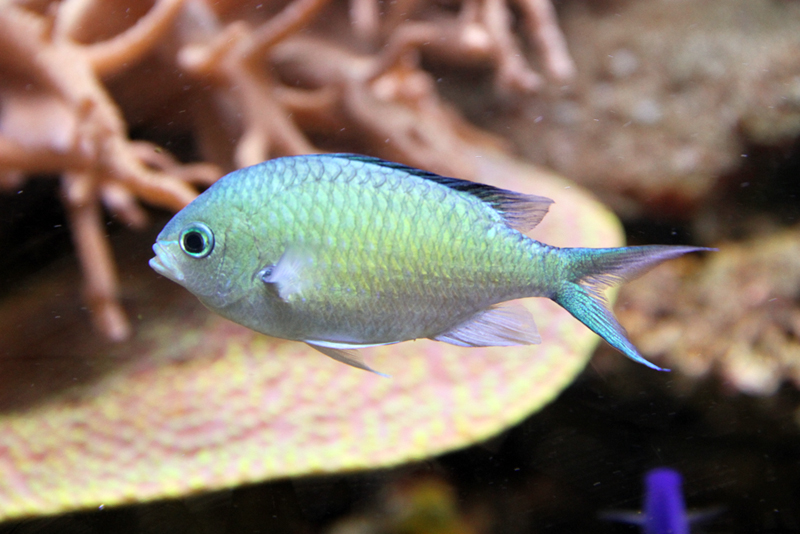 WorldGreen chromis
Small iridescent reef damselfish found across the Indo-Pacific.Reef fish · Coral reefs
 WorldSurgeonfish
Marine fish family with sharp tail spines and algae diets.Reef fish · Coasts and shelves
More from Pomacentridae
All of them WorldDamselfish
Small marine fish known for aggressive territorial behaviour and reef farming.Reef fish · Coasts and shelves
 WorldWhitetail dascyllus
A small Indo-Pacific reef fish with bold black and white stripes.Reef fish · Coasts and shelves
 WorldClownfish
Small reef fish living in sea anemones.Reef fish · Coasts and shelves · 1801
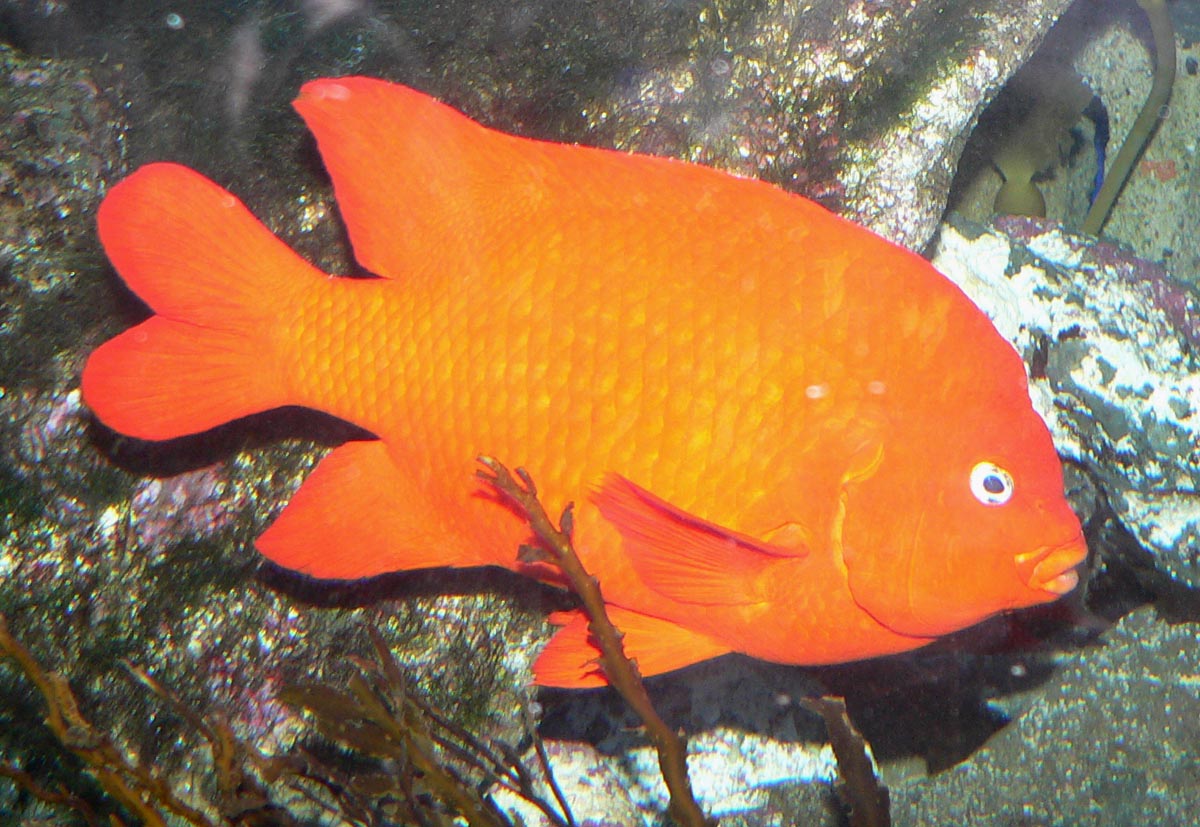 🇺🇸 United StatesGaribaldi
Bright orange damselfish and official marine state fish of California.Reef fish · Coasts and shelves · 1860