
Sprat
Small forage fish of the genus Sprattus and related genera in the herring family.
Sprats are small, active forage fish belonging to the family Clupeidae. They form large schools and serve as a key food source for larger predators while providing significant nutritional value for humans through their high content of polyunsaturated fats.
- Sprats are small, oily forage fish in the herring family.
- They swim continuously in large schools throughout the day.
- The Baltic Sea hosts the most studied sprat populations.
- Smoked sprat is high in purines and polyunsaturated fats.
- Sprats prey on cod eggs and larvae in the Baltic Sea.
What it is
Sprat is the common name for small, oily forage fish in the genus Sprattus, part of the herring family Clupeidae. The term also covers many other similar small fish from genera like Clupeonella and Corica. These fish are highly active and travel in large groups with other species. They swim continuously throughout the day. Their bodies are small and rich in oil, which contributes to their nutritional profile. They are often grouped under the broad category of sardines. Despite their size, they play a major role in marine ecosystems as a primary food source for larger predators.
Where it lives
Sprats inhabit various parts of the world, including New Zealand, Australia, and Europe. The most studied population resides in the Baltic Sea in Northern Europe. This area offers a diverse environment that supports successful reproduction. A specific location within the Baltic known for sprat foraging is the Bornholm Basin in the southern portion. Although the region has faced ecological changes since the 1980s, such as decreased salinity, the sprat population has increased dramatically. These environmental shifts include reduced inflow from the North Sea, affecting water oxygen and saline content.
How it lives
Sprats have a high metabolic rate driven by their constant activity. They compete with herring for zooplankton, though sprats are more selective. In autumn, they eat Temora longicornis and Bosmina maritime, while winter diets include Pseudocalanus elongates. They avoid Acartia species due to their small size and escape response. Sprats dwell in deeper waters during the day to avoid surface predators. In the Baltic Sea, they prey on cod eggs and larvae before the cod develop fully. Cod remains the top predator, feeding on adult sprats. Fluctuations in sprat numbers depend on zooplankton availability and overall Clupeidae abundance.
Breeding and life cycle
The time from fertilization to hatching lasts approximately fifteen days. Environmental factors significantly influence egg size and larval success. Cold winters, particularly in the Baltic Sea, can hinder development. Recent studies show increased spawning stock biomass and reproductive success. However, survival rates dropped in the late 1980s and early 1990s before recovering. Specific gravity, water temperature, and depth affect these outcomes. The development of young larvae is closely tied to these changing conditions.
Fish and people
In Northern Europe, European sprats are commonly smoked and preserved in oil. Smoked sprat has a strong flavor but is high in purine content. They provide long-chain polyunsaturated fatty acids like EPA and DHA. These levels compare to Atlantic salmon and exceed those in gilt-head bream fillets. Sprats contain about 1.43 grams of these fats per hundred grams. Traditional consumption includes eating them whole or processed. Products sold as anchovies sometimes use sprats instead. This substitution occurred because authentic anchovies were less accessible historically.
Status and threats
Sprat populations fluctuate based on environmental changes and food availability. In the Baltic Sea, numbers have increased despite ecological shifts. Concerns include cold temperatures affecting eggs and larvae. The species is considered a forage fish, indicating its importance in the food web. Conservation status is generally stable, though local variations exist. Research focuses on how salinity and temperature changes impact their survival rates.


Questions people ask about Sprat
What exactly is a sprat?
Sprat refers to small forage fish in the genus Sprattus and the family Clupeidae. The name also applies to many other similar small fish from different genera. They are active swimmers that form large schools and are rich in oil.
Where do sprats live?
Sprats are found in New Zealand, Australia, and Europe. The Baltic Sea in Northern Europe is the most studied location. They thrive in diverse environments that support their reproduction and foraging needs.
What do sprats eat?
Sprats primarily eat zooplankton. Their diet varies by season, including Temora longicornis in autumn and Pseudocalanus in winter. They also prey on cod eggs and larvae before the cod develop fully.
Are sprats good for human health?
Yes, they contain high levels of polyunsaturated fats like EPA and DHA. These fats help prevent mental and cardiovascular diseases. The fat content is comparable to Atlantic salmon and higher than gilt-head bream.
Good reading and sources
The facts on this page come from the Wikipedia article "Sprat", written by its contributors and used under the CC BY-SA 4.0 licence, and from its Wikidata record (CC0). EveryFish rewrote the text in its own words, with AI assistance, and compares every page with the article to make sure no passage is copied. It may be reused under the same CC BY-SA 4.0 licence with a link back.
It may contain mistakes, and figures change over time. Nothing here is investment or buying advice. If something is wrong, tell us. Last refreshed 2026-11-15.
Like Sprat
All herrings and sardines 🇹🇷 Turkey and 4 moreAnchovy
Small, oily forage fish found in oceans and some rivers worldwide.Herring · Coasts and shelves
 🇦🇴 Angola and 3 moreAtlantic mudskipper
Semi-aquatic goby that walks on mudflats in West Africa.Other · Rivers and lakes · 1766
 WorldNorthern whiting
A widespread marine fish found in the Indo-Pacific, known for its silvery body and ability to bury itself in sand.Other · Coasts and shelves · 1775
 🇦🇺 Australia and 1 moreAustralian ghostshark
A cartilaginous fish native to southern Australia and New Zealand waters.Other · Coasts and shelves
More from Clupeidae
All of them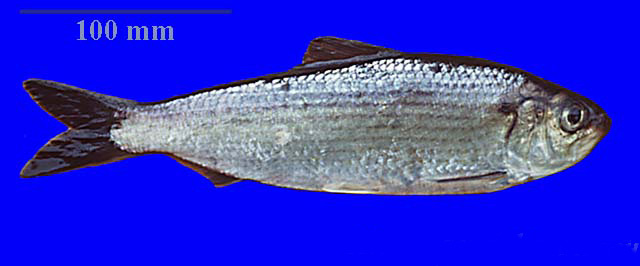 🇺🇸 United States and 1 moreAlewife
A small North American herring that migrates between sea and rivers.Herring · Coasts and shelves
 🇺🇸 United States and 3 moreMenhaden
Small silver forage fish that filter plankton and support marine food webs.Herring · Coasts and shelves
 WorldSpotted sardinella
A small herring with golden spots found in the Indo-Pacific.Herring · Coasts and shelves
 🇺🇸 United States and 2 moreAmerican gizzard shad
A silvery freshwater forage fish with a muscular gizzard.Herring · Rivers and lakes