
Sardinops
A genus of sardines found in warm oceans worldwide.
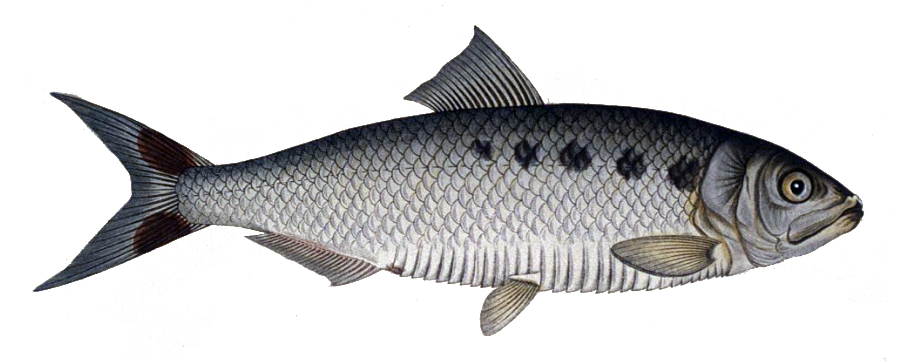
Sardinops is a group of small marine fish within the herring family. These species inhabit coastal waters across the Indo-Pacific, Atlantic and Pacific oceans. They grow up to 40 centimetres long and support major commercial fisheries, particularly in Australia where they feed tuna farms.
- Grows up to 40 cm in length
- Found in Indo-Pacific and Atlantic oceans
- Primary feed for southern bluefin tuna
- South Australian fishery started in 1991
- Includes three valid living species
What it is
This genus belongs to the herring family and includes several species of small, silvery fish. Adults reach a maximum length of 40 centimetres. They are known by many local names such as blue pilchard or Pacific sardine, depending on the specific subspecies and region. The group was once thought to contain only one species but now includes three valid living types along with various subspecies.
Where it lives
These fish inhabit warm temperate and tropical waters across multiple ocean basins. Their distribution covers the Indo-Pacific region, the eastern Pacific coast, the southeastern Atlantic and the southwestern Indian Ocean. Specific populations include the Japanese pilchard, the Southern African pilchard and the Australian pilchard, each occupying distinct coastal zones within these broader areas.
How it lives
Information regarding specific dietary habits, schooling behaviour or natural predators is not detailed in the provided text. However, their abundance allows them to form large schools that can be targeted efficiently by commercial fishing vessels using wide nets.
Fish and people
In South Australia, this fish supports the largest single-species fishery by volume. Started in 1991, the industry uses purse seining to catch schools with large nets. Most of the harvest goes to southern bluefin tuna ranches near Port Lincoln as feed. A small portion is sold for human eating, bait or pet food. Quotas have risen from 1,000 metric tons initially to 38,000 metric tons by 2014.
Status and threats
The South Australian fishery is considered sustainable due to its fishing methods. Compliance issues arose in 2004 regarding quota evasion, such as unreported landings or dumping excess catch. Total catches peaked at nearly 57,000 metric tons in 2004-05 before stabilising around 32,000 metric tons annually.

Questions people ask about Sardinops
What is the main use of Sardinops caught in Australia?
Ninety-four per cent of the catch serves as feed for southern bluefin tuna ranching operations. The remaining six per cent is used for human consumption, recreational bait and premium pet food markets.
How large do these fish grow?
Adults in this genus reach a maximum length of 40 centimetres, which is approximately 16 inches. This size applies to the various species and subspecies within the group.
Which fishing method is used in South Australia?
The industry employs purse seining. Vessels encircle schools with nets up to one kilometre long, close the bottom and pump the catch into refrigerated holds kept below freezing temperatures.
Good reading and sources
The facts on this page come from the Wikipedia article "Sardinops", written by its contributors and used under the CC BY-SA 4.0 licence, and from its Wikidata record (CC0). EveryFish rewrote the text in its own words, with AI assistance, and compares every page with the article to make sure no passage is copied. It may be reused under the same CC BY-SA 4.0 licence with a link back.
It may contain mistakes, and figures change over time. Nothing here is investment or buying advice. If something is wrong, tell us. Last refreshed 2026-11-15.
Like Sardinops
All herrings and sardines 🇲🇦 Morocco and 2 moreEuropean pilchard
Small schooling fish of the Atlantic and Mediterranean.Herring · Coasts and shelves
 🇵🇪 Peru and 1 morePeruvian anchoveta
Small Pacific fish vital for fishmeal and growing food useHerring · Coasts and shelves
 🇳🇴 Norway and 3 moreEuropean sprat
A small schooling fish in the herring family found across European seas.Herring · Coasts and shelves · 1758
 🇺🇸 United StatesAtlantic menhaden
A silvery herring species found along the North American Atlantic coast.Herring · Coasts and shelves
More from Alosidae
All of them 🇺🇸 United States and 1 moreGulf menhaden
Small filter-feeding fish of the Gulf of MexicoHerring · Coasts and shelves
 🇮🇪 IrelandTwait shad
Anadromous herring-like fish with flank spotsHerring · Rivers and lakes
 EuropeAllis shad
Anadromous Atlantic fish with a dark gill spot.Herring · Rivers and lakes