
Twait shad
Anadromous herring-like fish with flank spots
The twait shad is a migratory fish that lives in the sea but swims up rivers to breed. It resembles a herring but displays distinct dark spots on its sides. Populations have fallen due to fishing and blocked rivers, prompting conservation efforts in Europe.
- Has six to ten dark spots on silvery flanks
- Migrates from sea to rivers to spawn
- Protected under European Community Habitats Directive
- Fish passes on River Severn restored access by 2022
What it is
This fish belongs to the herring family and looks very similar to the allis shad. It lacks a lateral line and has a rounder belly than sprats. The back is bluish green while the head shows brown and gold tones. Its silvery flanks feature six to ten large dark spots behind the gill cover. These marks may fade after death. Adults usually measure between twenty five and forty centimetres in length.
Where it lives
It inhabits the eastern Atlantic Ocean and the Mediterranean Sea. Most populations are found across Europe. As an anadromous species, it spends much of its life in marine feeding grounds. It moves into brackish estuaries and then travels up freshwater rivers to reproduce. Some records indicate landlocked groups exist, showing adaptability to local environments.
How it lives
Juveniles appear in estuaries during June and July. They face challenges adjusting to changing salinity levels as they move from fresh to salt water. The estuarine phase can last up to eighteen months. This period does not account for individual survival rates. The fish matures sexually between three and seven years of age before beginning its migration cycle.
Breeding and life cycle
Sexually mature adults migrate to spawning grounds from April to June. They swim up rivers to lay eggs in fresh water. After hatching, the young fish make their way back down to the sea. This lifecycle mirrors that of the closely related allis shad. Hybridization between the two species is possible, especially when human activity disturbs their habitats.
Fish and people
Historical declines occurred due to overfishing and pollution. In England, the Unlocking The Severn project works to restore access to breeding sites. Partners include the Canal and River Trust and Natural England. They built fish passes around weirs on the River Severn near Worcester. By 2022, four passes were complete, allowing the shad to return to natural spawning areas.
Status and threats
Populations have dropped because of habitat destruction and blocked migratory routes. Conservation measures include listing under the Bern Convention and European Community Habitats Directive. Special areas of conservation have been designated in Ireland to protect spawning sites. These legal frameworks aim to manage threats and support population recovery through specific protection zones.
Questions people ask about Twait shad
How can you identify a twait shad?
Look for a herring-like shape with a row of six to ten dark spots on its silvery sides. It has a bluish green back and a rounded belly. The spots are located just behind the gill cover and may fade after the fish dies.
Where does the twait shad live?
It lives in the eastern Atlantic Ocean and the Mediterranean Sea. It is anadromous, meaning it lives in the sea but migrates into freshwater rivers and estuaries to spawn. It is found throughout most of Europe.
Why are twait shad populations declining?
Numbers have fallen due to overfishing, pollution, and habitat destruction. Blocked migratory routes, such as weirs on rivers, prevent them from reaching spawning grounds. Human disturbances also increase the likelihood of hybridization with other species.
Good reading and sources
The facts on this page come from the Wikipedia article "Twait shad", written by its contributors and used under the CC BY-SA 4.0 licence, and from its Wikidata record (CC0). EveryFish rewrote the text in its own words, with AI assistance, and compares every page with the article to make sure no passage is copied. It may be reused under the same CC BY-SA 4.0 licence with a link back.
It may contain mistakes, and figures change over time. Nothing here is investment or buying advice. If something is wrong, tell us. Last refreshed 2026-11-15.
Like Twait shad
All herrings and sardines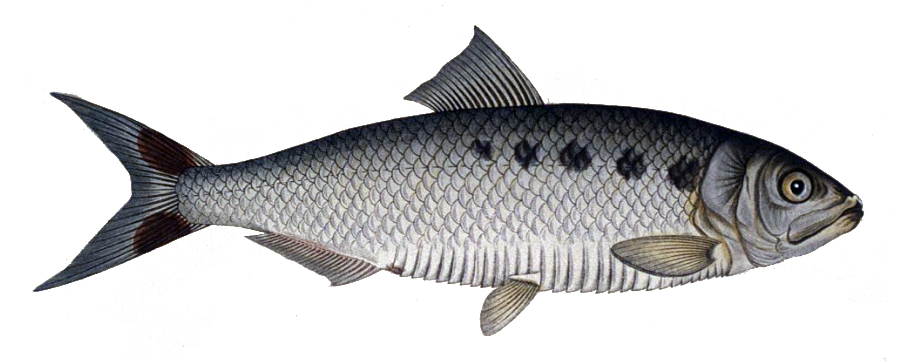 EuropeAllis shad
Anadromous Atlantic fish with a dark gill spot.Herring · Rivers and lakes
 🇹🇷 Turkey and 4 moreAnchovy
Small, oily forage fish found in oceans and some rivers worldwide.Herring · Coasts and shelves
 WorldBloch's gizzard shad
Small anadromous fish found across the Indo-West Pacific.Herring · Rivers and lakes · 1795
 🇺🇸 United States and 1 moreAlewife
A small North American herring that migrates between sea and rivers.Herring · Coasts and shelves

