
Rosy barb
A colourful subtropical freshwater fish popular in home aquariums.
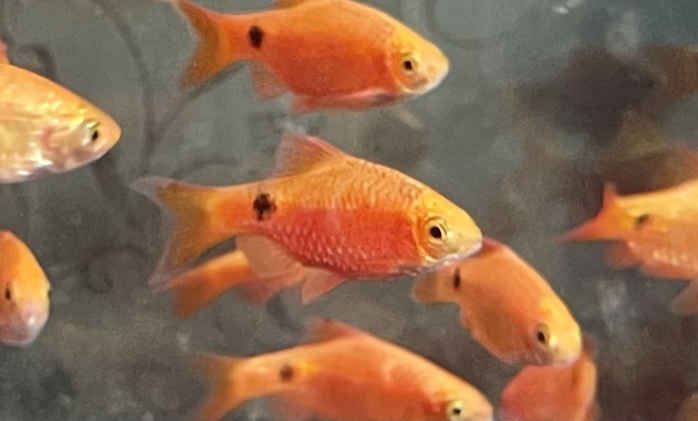
The rosy barb is a small cyprinid native to southern Asia. It thrives in lakes and fast streams from Afghanistan to Bangladesh. Aquarists value it for its vibrant mating colours and hardy nature. Males display bold hues while females remain plainer. The species is omnivorous and active in community tanks.
- Grows up to 15 cm in length
- Males display vibrant colours during mating
- Native to waters from Afghanistan to Bangladesh
- Hybrids with tiger barbs are sterile males
- Best kept in groups of five or more
What it is
This cyprinid fish grows up to 15 centimetres long. Juveniles have large tails relative to their body size. Adults weigh up to 340 grams though many are smaller. Males show vibrant colours during mating while females appear plumper. Female fins lack the black markings seen on males. They reach maturity at about 63.5 millimetres in length.
Where it lives
Native habitats span southern Asia from Afghanistan to Bangladesh. These fish live in lakes and fast moving water within subtropical zones. They prefer water with a pH between 6 and 8. Hardness levels of 5 to 19 dGH suit them well. Ideal temperatures range from 18 to 22 degrees Celsius.
How it lives
Wild populations eat worms, insects, crustaceans and plants. They live for up to five years in suitable conditions. In captivity they accept most foods offered. Owners must avoid overfeeding as they act constantly hungry. They swarm the tank front when they see people. Dark gravel helps display their natural colouration effectively.
Breeding and life cycle
Females swell with eggs before spawning begins. Males chase and nudge the female head and belly. This activity happens in early morning and lasts hours. Hundreds of eggs are laid among plant groups. Parents may eat exposed eggs. Young hatch in one to two days depending on warmth. Fry hang on plants then swim freely after six days.
Fish and people
Aquarists prize this species for its beauty and hardiness. It fits well in community tanks with other small fish. Keep groups of five or more in tanks at least 76 cm long. Note that they may nip fins of tank mates. Breeders have crossed them with tiger barbs. Resulting hybrids were sterile males only.
Questions people ask about Rosy barb
How big do rosy barbs get?
They grow up to 15 centimetres or six inches in length. Fully grown adults can weigh up to 340 grams. Most aquarium specimens reach about 10 centimetres.
Are rosy barbs aggressive?
They are generally peaceful but may nip the fins of other fish. Keeping them in groups of five or more helps reduce this behaviour. They suit community tanks with similar sized species.
What do rosy barbs eat?
They are omnivores that eat worms, insects, crustaceans and plant matter. In captivity they accept most standard fish foods. Care is needed to prevent overfeeding as they appear always hungry.
Good reading and sources
The facts on this page come from the Wikipedia article "Rosy barb", written by its contributors and used under the CC BY-SA 4.0 licence, and from its Wikidata record (CC0). EveryFish rewrote the text in its own words, with AI assistance, and compares every page with the article to make sure no passage is copied. It may be reused under the same CC BY-SA 4.0 licence with a link back.
It may contain mistakes, and figures change over time. Nothing here is investment or buying advice. If something is wrong, tell us. Last refreshed 2026-11-15.
Like Rosy barb
All carps and minnows 🇲🇾 Malaysia and 1 moreHarlequin rasbora
A small, colourful freshwater fish popular in home aquariums for its distinctive black body marking.Carp · Rivers and lakes
🇵🇰 Pakistan and 3 moreGolden barb
Small Asian cyprinid found in rivers and aquariumsCarp · Rivers and lakes
 EuropeCommon rudd
A red-finned freshwater fish native to Europe and Asia.Carp · Rivers and lakes
 🇮🇳 India and 4 moreZebrafish
Small striped fish from South Asia kept in aquariums and labsCarp · Rivers and lakes
More from Cyprinidae
All of them 🇮🇳 India and 4 moreRohu
A large silver carp from South Asian rivers, farmed for food and prized as a game fish.Carp · Rivers and lakes
 🇮🇷 Iran and 1 moreShabout
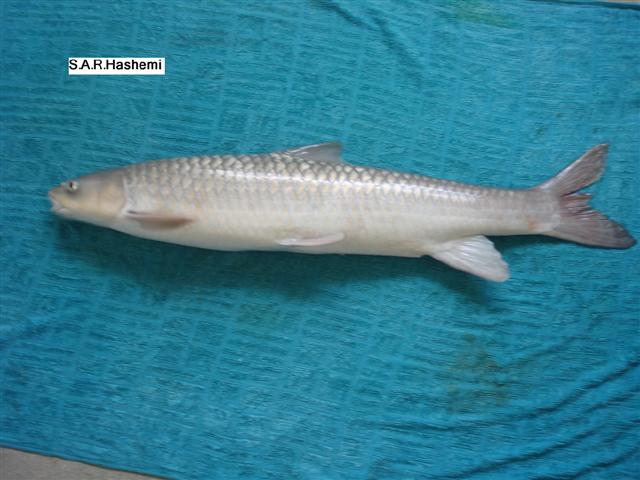
A large freshwater carp native to the Tigris-Euphrates basin in Western Asia.Carp · Rivers and lakes
 🇮🇳 India and 4 moreCommon snowtrout
A cold-water cyprinid from Himalayan rivers.Carp · Rivers and lakes
 🇹🇭 Thailand and 2 moreSiamese mud carp
Freshwater cyprinid native to Mekong and Chao Phraya riversCarp · Rivers and lakes