
Vateria Flower Rasbora
Small freshwater fish from Sri Lanka streams
The Vateria Flower Rasbora is a tiny cyprinid fish native to Sri Lanka. It lives in shaded, slow-moving streams with silt bottoms and leaf litter. This species reaches four centimetres in length and feeds on detritus and insects. It is popular in the aquarium trade but faces threats in its limited range.
- Endemic to Sri Lanka
- Max length 4 cm
- Found in Kalu River basin
- Eats detritus and insects
- Popular in aquarium trade
What it is
This small freshwater fish belongs to the carp family. It grows to a maximum length of four centimetres. The body is adapted for life in clear, shallow waters. Its common names include Pearly Rasbora and Fire Rasbora. It is a cyprinid species found only in Sri Lanka. The fish prefers environments with plenty of natural cover.
Where it lives
The species is endemic to Sri Lanka. Recent studies restrict its range to the Kalu River basin. Earlier beliefs placed it in several river basins, but taxonomic reviews corrected this. A 2018 study confirmed that a similar species was actually the same fish. This finding expanded its known presence within the Kalu basin. It remains more threatened than wider-ranging relatives.
How it lives
It inhabits slow-flowing streams with silt bottoms. Shaded areas with abundant leaf debris are preferred habitats. The diet consists mainly of detritus found on the stream bed. Terrestrial insects falling into the water also provide food. This feeding behaviour suits its calm, sheltered environment. It shares its habitat with other related rasbora species.
Fish and people
Aquarium enthusiasts keep this species in home tanks. Its small size and peaceful nature make it suitable for community setups. The fish is traded internationally for ornamental purposes. Local populations rely on healthy stream ecosystems for its survival. Conservation efforts help maintain the clarity and flow of its native waters.
Status and threats
The fish faces greater threats than widespread relatives like R. pallidus. Its restricted range in the Kalu River basin increases vulnerability. Habitat degradation could impact local populations significantly. Taxonomic confusion previously obscured its true distribution. Current understanding highlights its limited geographic spread.
Questions people ask about Vateria Flower Rasbora
Where does the Vateria Flower Rasbora live?
It is found in the Kalu River basin in Sri Lanka. The fish prefers shallow, shaded streams with slow flow and silt bottoms.
What does this fish eat?
Its diet consists of detritus and terrestrial insects. It forages in areas with plentiful leaf debris in clear streams.
How big does it get?
This species reaches a maximum total length of four centimetres. It is a small fish suitable for nano aquariums.
Good reading and sources
The facts on this page come from the Wikipedia article "Rasboroides vaterifloris", written by its contributors and used under the CC BY-SA 4.0 licence, and from its Wikidata record (CC0). EveryFish rewrote the text in its own words, with AI assistance, and compares every page with the article to make sure no passage is copied. It may be reused under the same CC BY-SA 4.0 licence with a link back.
It may contain mistakes, and figures change over time. Nothing here is investment or buying advice. If something is wrong, tell us. Last refreshed 2026-11-15.
Like Vateria Flower Rasbora
All carps and minnows 🇲🇾 Malaysia and 1 moreHarlequin rasbora
A small, colourful freshwater fish popular in home aquariums for its distinctive black body marking.Carp · Rivers and lakes
🇵🇰 Pakistan and 3 moreGolden barb
Small Asian cyprinid found in rivers and aquariumsCarp · Rivers and lakes
 EuropeCommon rudd
A red-finned freshwater fish native to Europe and Asia.Carp · Rivers and lakes
 🇮🇳 India and 4 moreZebrafish
Small striped fish from South Asia kept in aquariums and labsCarp · Rivers and lakes
More from Cyprinidae
All of them 🇮🇳 India and 4 moreRohu
A large silver carp from South Asian rivers, farmed for food and prized as a game fish.Carp · Rivers and lakes
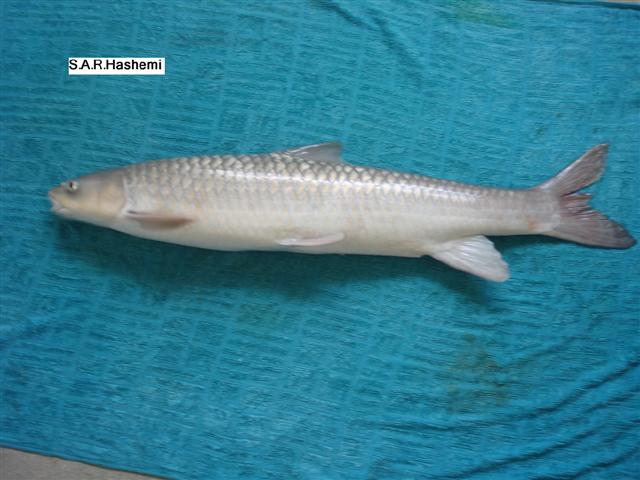 🇮🇷 Iran and 1 moreShabout
A large freshwater carp native to the Tigris-Euphrates basin in Western Asia.Carp · Rivers and lakes
 🇮🇳 India and 4 moreCommon snowtrout
A cold-water cyprinid from Himalayan rivers.Carp · Rivers and lakes
 🇹🇭 Thailand and 2 moreSiamese mud carp
Freshwater cyprinid native to Mekong and Chao Phraya riversCarp · Rivers and lakes