
Prussian carp
A medium-sized, invasive cyprinid fish native to Eurasia.
The Prussian carp is a robust, silver fish from the genus Carassius. Native to Siberia or central Europe, it has spread widely across Europe, Asia and North America. It reproduces rapidly through gynogenesis and is considered highly invasive in non-native waters.
- Reproduces via gynogenesis using sperm from other species
- Can reach lengths of up to 45 centimetres
- Eggs may survive bird digestion and hatch later
- Highly invasive in Europe, North America and Asia
- Distinguised from crucian carp by larger scales
What it is
The Prussian carp is a deep-bodied and robust member of the cyprinid family. It typically reaches lengths between 10 and 35 centimetres, though it can grow up to 45 centimetres. The fish usually displays a silvery colour, sometimes with a faint golden hint, which distinguishes it from the more burnished gold appearance of the crucian carp. Its scales are larger than those of its relative, with 27 to 32 scales along the lateral line. The tail fin is also more deeply forked. This medium-sized fish does not exceed a weight of 3 kilograms.
Where it lives
Originally found in Siberia or central Europe, this species has been introduced to many other regions. It now inhabits lakes, ponds and slow-moving rivers across Europe, North America and Asia. In European Russia, it has become particularly abundant in the Volga and Kama rivers. It thrives in coastal areas that are overgrown with aquatic vegetation. Its ability to adapt to various freshwater environments has allowed it to establish strong populations far beyond its native range.
How it lives
This fish is omnivorous and feeds on a varied diet. It consumes plankton, invertebrates, plant material and detritus found in its environment. As an invasive species, it spreads rapidly in new areas. Recent studies suggest that waterfowl may help disperse its eggs. Although birds digest most eggs they eat, a small proportion survive passage through the digestive tract and hatch later. This process, known as endozoochory, could be a significant mechanism for the spread of this invasive fish in freshwater systems.
Breeding and life cycle
Prussian carps reproduce through a process called gynogenesis. In this method, sperm from a male is required to trigger the development of the egg, but the male genetic material does not contribute to the embryo. Females essentially steal sperm from related species to activate their own unfertilized eggs. This allows them to produce offspring without incorporating male DNA. Combined with the production of hundreds of thousands of eggs per spawning event, this reproductive strategy enables rapid population growth and spread.
Fish and people
The Prussian carp is regarded as a highly invasive species in areas outside its native range. Its rapid reproduction and spread pose a conservation concern for freshwater biodiversity. While it is not highlighted for food or aquarium use in the provided text, its ecological impact is significant. The potential for birds to disperse viable eggs further complicates management efforts. Scientists note that if endozoochorous dispersal is proven under natural circumstances, it represents a serious challenge for controlling invasive fish populations.
Status and threats
The species is classified as highly invasive in regions where it has been introduced. Its ability to reproduce via gynogenesis and its high fecundity allow it to outcompete native species. The discovery that bird digestion may aid in spreading viable eggs adds to concerns about its unchecked expansion. This dispersal mechanism could threaten freshwater biodiversity by allowing the fish to colonise new water bodies unexpectedly. Conservationists view this potential vector as a significant risk to local ecosystems.


Questions people ask about Prussian carp
How does the Prussian carp reproduce?
It uses gynogenesis, where sperm from a male triggers egg development but does not contribute DNA. The female produces clones of herself, allowing rapid population growth without needing male genetic input.
Where is the Prussian carp originally from?
It is native to Siberia or central Europe. However, it has been introduced to and now lives in many parts of Europe, North America and Asia.
How can you tell it apart from a crucian carp?
The Prussian carp has larger scales, a more deeply forked tail and a silvery colour. The crucian carp typically has a burnished gold appearance and smaller scales.
Why is it considered invasive?
It spreads rapidly due to high egg production and gynogenesis. It also may be dispersed by birds that eat and excrete viable eggs, threatening native freshwater biodiversity.
Good reading and sources
- Prussian carp on WikipediaEncyclopedia
- More photos on Wikimedia CommonsPhotos
- Wikidata recordOpen data
The facts on this page come from the Wikipedia article "Prussian carp", written by its contributors and used under the CC BY-SA 4.0 licence, and from its Wikidata record (CC0). EveryFish rewrote the text in its own words, with AI assistance, and compares every page with the article to make sure no passage is copied. It may be reused under the same CC BY-SA 4.0 licence with a link back.
It may contain mistakes, and figures change over time. Nothing here is investment or buying advice. If something is wrong, tell us. Last refreshed 2026-11-15.
Like Prussian carp
All carps and minnows East AsiaStone moroko
Small invasive freshwater fish from AsiaCarp · Rivers and lakes
 🇨🇳 ChinaGoldfish
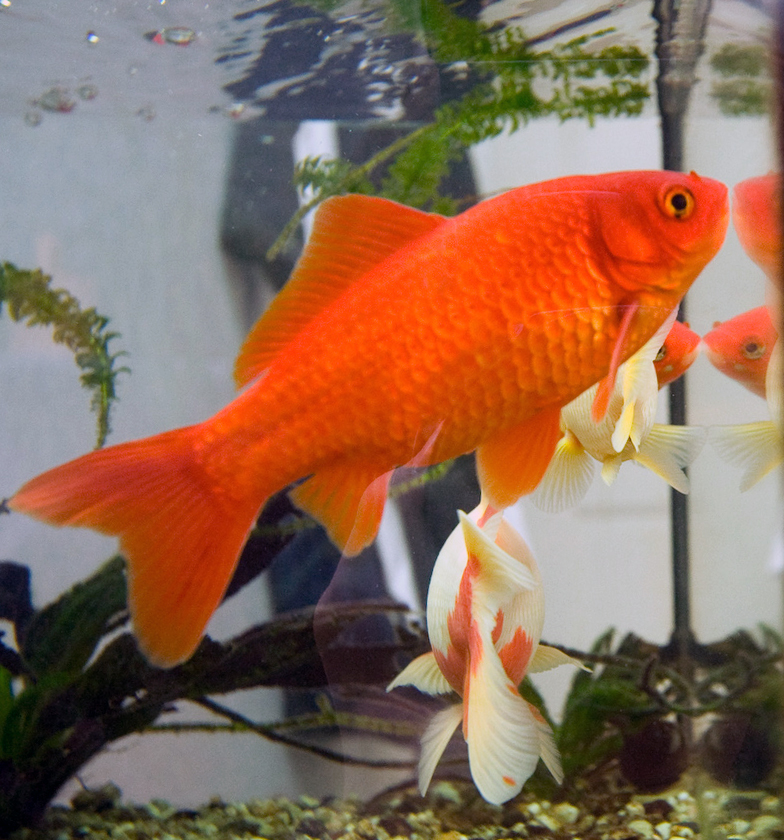
A domesticated freshwater carp from China, kept worldwide as a pet and aquarium fish.Carp · Rivers and lakes
 EuropeCommon rudd
A red-finned freshwater fish native to Europe and Asia.Carp · Rivers and lakes
 🇨🇳 China and 1 moreBlack carp
A large freshwater fish native to East Asia, known for eating snails and causing ecological issues in the US.Carp · Rivers and lakes
More from Cyprinidae
All of them 🇮🇳 India and 4 moreRohu
A large silver carp from South Asian rivers, farmed for food and prized as a game fish.Carp · Rivers and lakes
 🇮🇷 Iran and 1 moreShabout
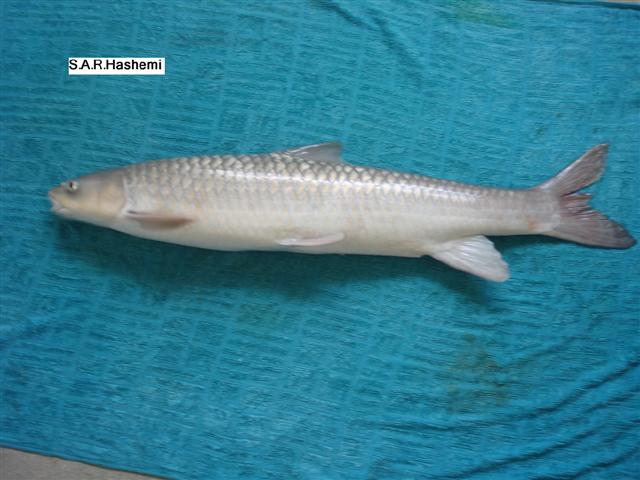
A large freshwater carp native to the Tigris-Euphrates basin in Western Asia.Carp · Rivers and lakes
 🇲🇾 Malaysia and 1 moreHarlequin rasbora
A small, colourful freshwater fish popular in home aquariums for its distinctive black body marking.Carp · Rivers and lakes
 🇹🇭 Thailand and 2 moreSiamese mud carp
Freshwater cyprinid native to Mekong and Chao Phraya riversCarp · Rivers and lakes