
Eurasian minnows
Small freshwater fish found across Eurasia
Phoxinus is a genus of small freshwater fish in the family Leuciscidae. These Eurasian minnows inhabit rivers and lakes throughout the continent. The group includes twenty-one known species, such as the common minnow. They are distinct from North American relatives once classified in this genus.
- Genus contains 21 known species of freshwater fish
- Found throughout rivers and lakes in Eurasia
- Only members of the subfamily Phoxininae
- Name minnow meant small and insignificant to early fishermen
- North American Chrosomus was once classified here
What it is
Phoxinus is a genus of small freshwater fish belonging to the family Leuciscidae within the order Cypriniformes. These fish are the sole members of the subfamily Phoxininae, often called Eurasian minnows. The name minnow originated from early English fishermen who used it to describe fish that were small and insignificant. The genus currently includes twenty-one recognised species. They are characterised by their modest size and presence in inland waters across the Eurasian landmass.
Where it lives
These fish are distributed widely throughout Eurasia. Their range covers various freshwater systems across the continent. Specific species are named after regions such as the Pyrenees, the Danube, the Garonne, and the Loire. Others are found in the Balkans, the Aegean, and areas around the Black Sea and Caspian Sea basins. The distribution extends from western Europe to central Asia, including locations like Issyk-Kul and Balkhash.
How it lives
Information regarding specific behavioural traits, dietary habits, or predator interactions for the genus as a whole is not detailed in the provided material. Individual species may have unique ecological roles within their local freshwater habitats.
Breeding and life cycle
The provided text does not contain specific information about the spawning seasons, egg development, or growth rates of these fish. Further specific biological studies would be required to understand the reproductive cycles of the twenty-one different species within this genus.
Fish and people
Early English fishermen used the term minnow to describe these fish, viewing them as small and insignificant. This historical perspective highlights their role in local fishing traditions, though they were not necessarily targeted for food due to their size. Their primary connection to people appears to be through historical naming conventions.
Status and threats
A single fossil genus, Palaeorutilus, is known from the Oligocene period in Europe, showing a long evolutionary history, but current protection measures are not detailed.


Questions people ask about Eurasian minnows
Where do Eurasian minnows live?
They are found in freshwater habitats throughout Eurasia. Their range extends from western Europe to central Asia, covering various river systems and lakes across the continent.
How many species are in the Phoxinus genus?
The genus includes twenty-one known species. New species continue to be described, with some identified as recently as 2023 and 2024 by scientists studying regional populations.
Why are they called minnows?
The name comes from early English fishermen. They used the word minnow to describe fish that appeared small and insignificant, reflecting their modest size and perceived lack of commercial value.
Good reading and sources
The facts on this page come from the Wikipedia article "Phoxinus", written by its contributors and used under the CC BY-SA 4.0 licence, and from its Wikidata record (CC0). EveryFish rewrote the text in its own words, with AI assistance, and compares every page with the article to make sure no passage is copied. It may be reused under the same CC BY-SA 4.0 licence with a link back.
It may contain mistakes, and figures change over time. Nothing here is investment or buying advice. If something is wrong, tell us. Last refreshed 2026-11-15.
Like Eurasian minnows
All carps and minnows EuropeCommon rudd
A red-finned freshwater fish native to Europe and Asia.Carp · Rivers and lakes
 🇲🇾 Malaysia and 1 moreHarlequin rasbora
A small, colourful freshwater fish popular in home aquariums for its distinctive black body marking.Carp · Rivers and lakes
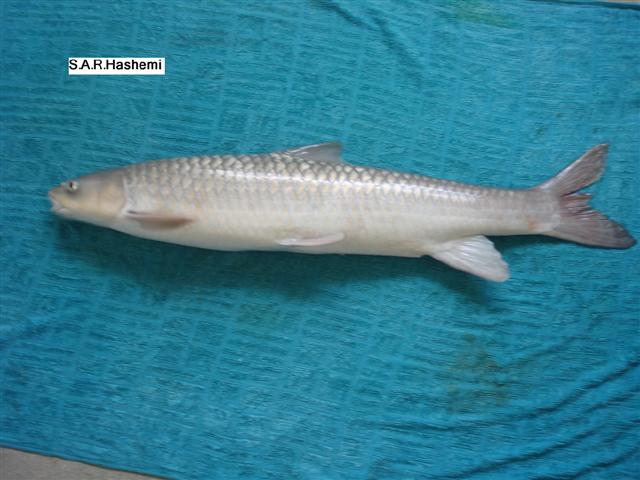 🇮🇷 Iran and 1 moreShabout
A large freshwater carp native to the Tigris-Euphrates basin in Western Asia.Carp · Rivers and lakes
 🇮🇳 India and 4 moreRohu
A large silver carp from South Asian rivers, farmed for food and prized as a game fish.Carp · Rivers and lakes
More from Leuciscidae
All of them 🇷🇺 RussiaCaspian roach
A brackish water fish from the Caspian Sea region, widely consumed as a dried snack.Carp · Estuaries and mangroves
 🇷🇺 Russia and 4 moreSabre carp
A silvery surface feeder from Eastern Europe and Asia.Carp · Rivers and lakes
 🇨🇦 Canada and 1 moreLake chub
A small cold-water minnow native to Canada and the northern US.Carp · Rivers and lakes
 🇺🇸 United States and 1 moreCreek chubs
Small North American minnows with a distinctive dorsal spotCarp · Rivers and lakes