
Indo-Pacific blue marlin
Large tropical billfish of the Pacific and Indian Oceans
The Indo-Pacific blue marlin is a large migratory fish found in warm waters across the Pacific and Indian Oceans. It reaches lengths of five metres and is closely related to the Atlantic blue marlin, though its status as a separate species remains debated.
- Reaches a maximum length of 5 metres
- Found in tropical Pacific and Indian Oceans
- Uses bill to wound prey
- Spawns in summer near French Polynesia
- Most tropical of all billfish species
What it is
This fish is a member of the marlin family, characterised by an elongated body that is not heavily compressed. It features two dorsal fins with forty to forty-five soft rays and two anal fins with eighteen to twenty-four rays. The pectoral fins are flexible and sickle-shaped, allowing them to fold against the body. A robust, round beak forms the upper jaw, while the tail base has strong double keels. The back is blue-black, fading to silvery white on the belly, often marked with faint vertical blue stripes.
Where it lives
It inhabits tropical and sub-tropical zones across the Indian and Pacific Oceans. Warm water flows, such as the Agulhas Current in the western Indian Ocean, strongly affect where these fish appear seasonally. They are most common in equatorial regions but generally avoid staying close to islands or coral reefs. This preference for open, warm water makes it the most tropical of all billfish species.
How it lives
The Indo-Pacific blue marlin is highly migratory, travelling vast distances across ocean basins. It uses its long, hard bill to strike and wound prey before consumption. While specific dietary items are not detailed, the hunting method relies on inflicting damage with the rostrum. Its movement patterns are influenced by ocean temperatures and currents, keeping it within warm water masses.
Breeding and life cycle
Reproduction occurs during the summer months in both the Indian and Pacific Oceans. In the southern hemisphere, spawning activities are believed to take place near French Polynesia. The species maintains genetic links with Atlantic populations through migration, although significant genetic separation exists between the two groups.
Fish and people
As a large and powerful game fish, it is a target for sport fishing enthusiasts. Its size and fighting ability make it a prized catch in tropical waters.
Status and threats
The classification of this fish as distinct from the Atlantic blue marlin is debated. Genetic studies show clear geographical separation, yet some data suggest they may be the same species with limited gene flow.

Questions people ask about Indo-Pacific blue marlin
How big does the Indo-Pacific blue marlin get?
This species can grow up to five metres in length, though the average size is around three and a half metres. It can weigh approximately six hundred and twenty-five kilograms.
Where does this marlin live?
It is found in tropical and sub-tropical waters of the Pacific and Indian Oceans. It prefers warm equatorial zones and is influenced by currents like the Agulhas, avoiding coral reefs.
Is it the same as the Atlantic blue marlin?
Classification is debated. While genetically distinct in many ways, some studies suggest they are the same species with limited interbreeding, while others treat them as separate entities.
Good reading and sources
- Indo-Pacific blue marlin on WikipediaEncyclopedia
- More photos on Wikimedia CommonsPhotos
- Wikidata recordOpen data
The facts on this page come from the Wikipedia article "Indo-Pacific blue marlin", written by its contributors and used under the CC BY-SA 4.0 licence, and from its Wikidata record (CC0). EveryFish rewrote the text in its own words, with AI assistance, and compares every page with the article to make sure no passage is copied. It may be reused under the same CC BY-SA 4.0 licence with a link back.
It may contain mistakes, and figures change over time. Nothing here is investment or buying advice. If something is wrong, tell us. Last refreshed 2026-11-15.
Like Indo-Pacific blue marlin
All other fish WorldStriped marlin
Fast pelagic predator with blue stripesOther · Open ocean
 WorldBluefish
Aggressive marine pelagic fish found in temperate and subtropical waters worldwide.Other · Coasts and shelves
 WorldSailfish
Fastest marine fish with a large dorsal fin.Other · Coasts and shelves
 🇺🇸 United States and 2 moreLingcod
A large predatory fish of the North American Pacific coast.Other · Coasts and shelves
More from Istiophoridae
All of them
WorldIndo-Pacific sailfish
Fast ocean predator with a large dorsal finOther · Coasts and shelves
 WorldShortbill spearfish
A small marlin with a short bill found in tropical oceans.Other · Open ocean
 🇧🇸 BahamasAtlantic blue marlin
Large Atlantic billfish prized by sport anglers.Other · Open ocean
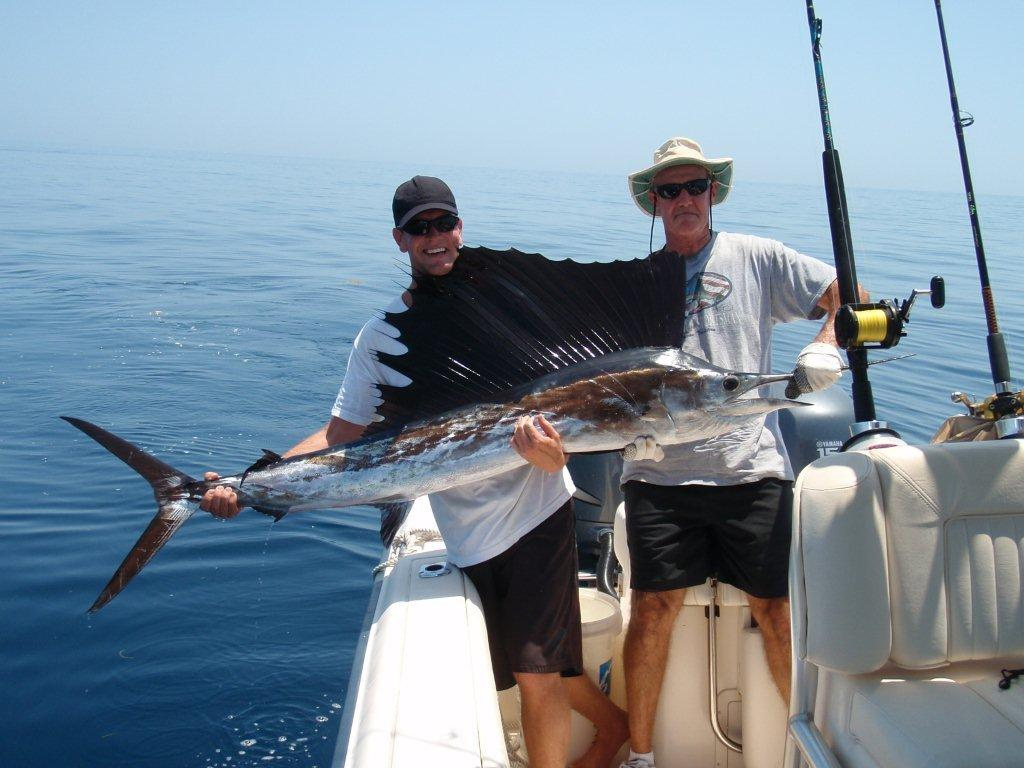 WorldAtlantic sailfish
Fast pelagic fish with a large dorsal fin and long billOther · Coasts and shelves