
Atlantic blue marlin
Large Atlantic billfish prized by sport anglers.
The Atlantic blue marlin is a large predatory fish found in tropical and subtropical Atlantic waters. It is a top-tier game fish known for its size, speed, and distinctive long bill. Overfishing has led to its classification as a threatened species by conservation groups.
- Females can weigh four times more than males.
- Can swim at speeds up to 72 km/h.
- National fish of the Commonwealth of The Bahamas.
- Listed as vulnerable by the IUCN.
- Featured in Hemingway's The Old Man and the Sea.
What it is
The Atlantic blue marlin is a large fish with a long, stout upper jaw resembling a sword. Its body is blue-black on top and silvery white below, often marked with pale cobalt stripes. It possesses two dorsal and two anal fins that can fold into grooves to reduce drag while swimming. Adults can reach lengths of five metres, with females growing significantly heavier than males. This species belongs to the billfish family and is built for speed in open water.
Where it lives
This species inhabits tropical and subtropical waters across the Atlantic Ocean. Its range extends from roughly 45 degrees north to 35 degrees south latitude. During warmer months, it moves into temperate zones, following warm currents like the Gulf Stream. It prefers surface waters but dives to depths of one hundred metres during the day. The fish is less common in the eastern Atlantic, occurring mostly off the African coast between specific latitudes.
How it lives
Blue marlin are apex predators that feed on a variety of marine life near the surface. Their diet includes scombrid fish like tuna and mackerel, as well as squid. They may use their bill to stun or injure prey before consuming it. Adult marlin have few natural predators, though killer whales and large sharks such as the shortfin mako may hunt them. They host various parasites, including tapeworms and copepods, throughout their lives.
Breeding and life cycle
Breeding occurs in late summer and autumn. Females can spawn multiple times per season, releasing over seven million tiny eggs at once. The planktonic larvae drift freely in the pelagic zone, growing rapidly. Young marlin are found in areas such as the Caribbean and off Brazil. Males reach sexual maturity at two to four years of age, while females mature slightly later. Females may live up to twenty-seven years, outliving males.
Fish and people
Anglers highly prize this fish for sport fishing, an industry worth millions. It is also caught commercially, often as bycatch in tuna fisheries, and valued for its meat in markets like Japan. The blue marlin is the national fish of The Bahamas and appears on its currency. Authors such as Ernest Hemingway featured it in literature, cementing its cultural status. However, mercury accumulation has led to consumption advisories in some regions.
Status and threats
The International Union for Conservation of Nature lists the species as vulnerable due to overfishing. Longline fishing poses a significant threat, particularly in international waters. Greenpeace International includes it on its seafood red list due to unsustainable sourcing risks. Conservation efforts include tagging programmes and regulations requiring the release of caught billfish in certain US waters, though survival rates after release remain low.


Questions people ask about Atlantic blue marlin
How big do Atlantic blue marlin get?
Females are much larger than males, reaching up to five metres in length and weighing over 800 kg. Males rarely exceed 160 kg. The largest recorded catch weighed 636 kg.
Where do Atlantic blue marlin live?
They live in tropical and subtropical waters of the Atlantic Ocean. They prefer warm surface waters but dive deeper during the day. Their range shifts with seasons, moving toward the equator in colder months.
Why are they considered threatened?
Overfishing is the primary threat, especially from commercial longline fisheries targeting tuna. High demand for sport fishing and commercial meat has reduced populations, leading to a vulnerable conservation status.
What do blue marlin eat?
They prey on various marine organisms near the surface, including tuna, mackerel, squid, and other fish. They may use their long bill to stun prey before eating it.
Good reading and sources
- Atlantic blue marlin on WikipediaEncyclopedia
- More photos on Wikimedia CommonsPhotos
- Wikidata recordOpen data
The facts on this page come from the Wikipedia article "Atlantic blue marlin", written by its contributors and used under the CC BY-SA 4.0 licence, and from its Wikidata record (CC0). EveryFish rewrote the text in its own words, with AI assistance, and compares every page with the article to make sure no passage is copied. It may be reused under the same CC BY-SA 4.0 licence with a link back.
It may contain mistakes, and figures change over time. Nothing here is investment or buying advice. If something is wrong, tell us. Last refreshed 2026-11-15.
Like Atlantic blue marlin
All other fish 🇳🇿 New ZealandNew Zealand grayling
Extinct amphidromous fish endemic to New Zealand rivers and seas.Other · Rivers and lakes
 EuropeAtlantic horse mackerel
Slender jack mackerel of the eastern Atlantic and Mediterranean.Other · Coasts and shelves
 🇳🇿 New Zealand and 3 moreCommon galaxias
A small migratory fish of the Southern Hemisphere.Other · Rivers and lakes
 🇺🇸 United States and 4 moreSmelt
Small fish of the northern hemisphere known for spring runs and culinary traditions.Other · Rivers and lakes
More from Istiophoridae
All of them WorldIndo-Pacific sailfish
Fast ocean predator with a large dorsal finOther · Coasts and shelves
 WorldStriped marlin
Fast pelagic predator with blue stripesOther · Open ocean
 WorldShortbill spearfish
A small marlin with a short bill found in tropical oceans.Other · Open ocean
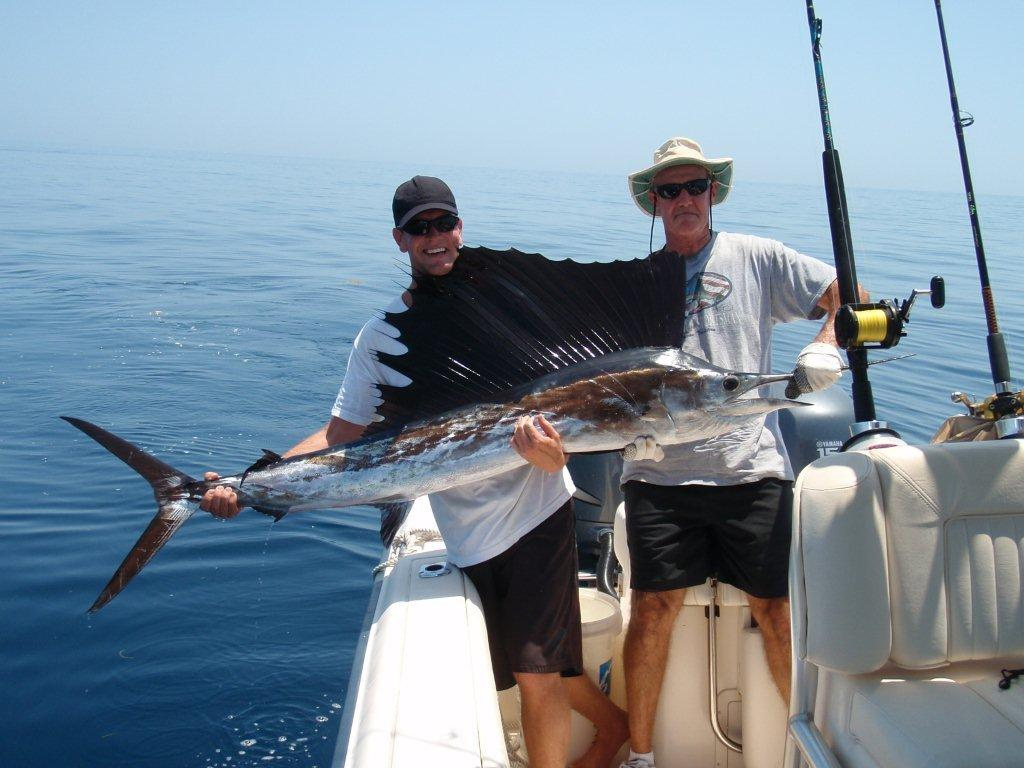 WorldAtlantic sailfish
Fast pelagic fish with a large dorsal fin and long billOther · Coasts and shelves