
Caribbean reef shark
Large requiem shark of western Atlantic coral reefs
The Caribbean reef shark is a large apex predator found in tropical western Atlantic waters. It inhabits coral reefs from Florida to Brazil and plays a key role in these ecosystems. While historically fished for meat and oil, it now holds greater value for ecotourism.
- Largest apex predator on Caribbean coral reefs
- Rests motionless on sea floor, unusual for sharks
- Live sharks worth up to $40,000 in ecotourism
- Listed as Endangered by the IUCN
- Gives birth to 4–6 live young every other year
What it is
This robust requiem shark has a streamlined body typical of its family. It is difficult to distinguish from similar large species like the dusky or silky shark. Key features include dusky fins without strong markings and a short free rear tip on the second dorsal fin. The snout is short and rounded, with large circular eyes. Adults usually measure between two and two and a half metres, though they can reach three metres. Their colour is dark grey above and white below, with an faint white band on the flanks.
Where it lives
These sharks inhabit the tropical western Atlantic Ocean. Their range extends from North Carolina and Bermuda in the north to Brazil in the south. They are most common in the Caribbean Sea and the northern Gulf of Mexico. They prefer shallow waters on or around coral reefs, often near drop-offs at the outer edges. While they stay mostly in water less than thirty metres deep, they have been recorded diving to depths of nearly four hundred metres. They are extremely rare north of the Florida Keys.
How it lives
They are apex predators that feed on reef-dwelling bony fishes, cephalopods, and some rays. Young sharks eat small fish, shrimps, and crabs. They are more active at night and do not show seasonal migration patterns. Unusually for active swimmers, they rest motionless on the sea floor or in caves. Juveniles stay in localised areas, while adults roam wider. Larger sharks like tigers and bulls prey on juveniles. Cleaning stations with gobies help remove parasites. They may perform a threat display by dipping pectoral fins if provoked.
Breeding and life cycle
Reproduction is viviparous, meaning females give birth to live young. Embryos receive nourishment via a placental connection after exhausting their yolk supply. Mating appears aggressive, as females often bear bite scars. Litter sizes average four to six pups, born after a one-year gestation period. Females become pregnant every other year. Birth timing varies by location, occurring from February to April in some Brazilian sites and later in other Southern Hemisphere locations. Newborns measure no more than seventy-four centimetres.
Fish and people
Fisheries value this shark for meat, leather, liver oil, and fins. In Belize and Colombia, it is caught by longline and gillnets. The meat is used in local dishes like panades. However, ecotourism has increased its economic value. Shark viewing in the Bahamas generates millions annually, with individual live sharks worth far more than dead ones. Controversial baited dives attract them to divers. This practice is banned in Florida but continues elsewhere. The flesh may contain high levels of heavy metals like methylmercury.
Status and threats
The International Union for Conservation of Nature lists this species as Endangered. Populations have declined in places like Belize and Cuba due to overfishing. Habitat loss from coral reef degradation also threatens them. Commercial fishing is prohibited in United States waters. Protection exists in the Bahamas and some Marine Protected Areas in Brazil. However, enforcement against illegal fishing remains weak in many reserves. Many areas where the shark is abundant lack any formal protection measures.


Questions people ask about Caribbean reef shark
Is the Caribbean reef shark dangerous to humans?
It is potentially dangerous due to its size but normally shy. As of 2008, there were 27 recorded attacks, none fatal. Aggression may increase in the presence of food or during feeding displays.
What does the Caribbean reef shark eat?
It feeds on a wide variety of reef-dwelling bony fishes and cephalopods. It also eats elasmobranchs such as eagle rays and yellow stingrays. Young sharks consume small fishes, shrimps, and crabs.
Where can you find Caribbean reef sharks?
They occur in tropical western Atlantic waters, from North Carolina to Brazil. They are most common in the Caribbean Sea and prefer shallow coral reef environments, often near drop-offs.
Why are they called sleeping sharks?
They rest motionless on the sea floor or in caves, which led to the name. Research showed they are not asleep, as their eyes follow divers. Freshwater upwellings may help clean parasites.
Good reading and sources
- Caribbean reef shark on WikipediaEncyclopedia
- More photos on Wikimedia CommonsPhotos
- Wikidata recordOpen data
The facts on this page come from the Wikipedia article "Caribbean reef shark", written by its contributors and used under the CC BY-SA 4.0 licence, and from its Wikidata record (CC0). EveryFish rewrote the text in its own words, with AI assistance, and compares every page with the article to make sure no passage is copied. It may be reused under the same CC BY-SA 4.0 licence with a link back.
It may contain mistakes, and figures change over time. Nothing here is investment or buying advice. If something is wrong, tell us. Last refreshed 2026-11-15.
Like Caribbean reef shark
All sharks 🇿🇦 South Africa and 4 moreWhale shark
The largest living fish species, a gentle giant of tropical oceans.Shark · Open ocean · 1829
 WorldHammerhead shark
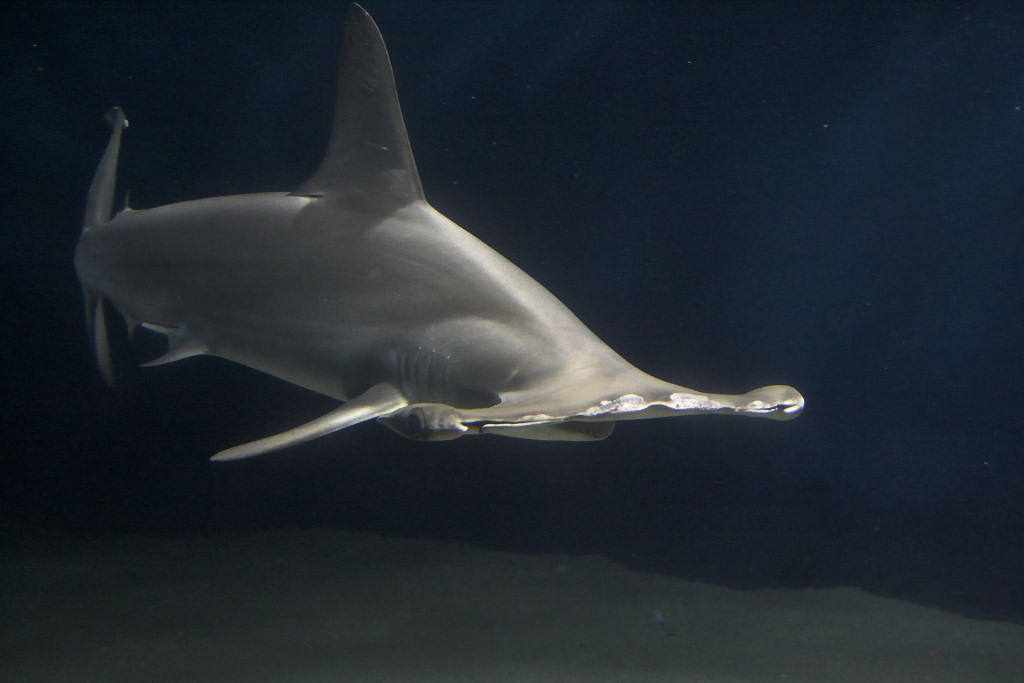
Sharks with T-shaped heads for better vision and sensing prey.Shark · Coasts and shelves
 🇺🇸 United States and 3 morePacific angelshark
A flat-bodied ambush shark of the eastern Pacific coast.Shark · Coasts and shelves · 1859
 WorldSpinner shark
A fast requiem shark known for spinning leaps out of water.Shark · Coasts and shelves · 1839
More from Carcharhinidae
All of them WorldRequiem shark
A family of migratory, live-bearing sharks found in warm seas worldwide.Shark · Coasts and shelves · 1896
 🇦🇺 Australia and 1 moreSpeartooth shark
Rare river shark of northern Australia and New GuineaShark · Rivers and lakes · 1839
 WorldPigeye shark
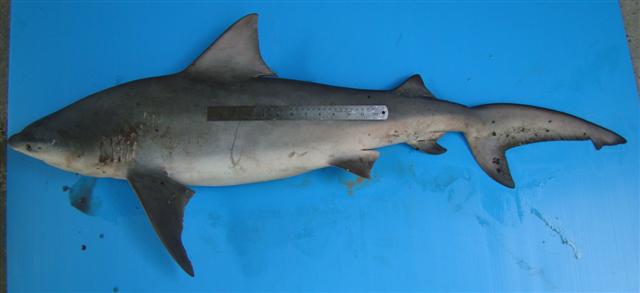
A robust coastal requiem shark often confused with the bull shark.Shark · Coasts and shelves · 1839
 WorldMilk shark
A small coastal requiem shark found in tropical waters worldwide.Shark · Coasts and shelves · 1837