🇷🇺 Fish of Russia
48 fish from Russia, best known first.
Russia operates one of the world’s largest fishing industries, leveraging a vast coastline and extensive inland waters to harvest millions of tonnes annually. Despite significant production volumes, the sector faces challenges from aging fleets, bureaucratic hurdles, and declining fish stocks due to overfishing and pollution.
- Russia holds the fourth longest coastline globally, accessing twelve seas.
- Wild capture fisheries produced 3.2 million tonnes in 2005.
- Sturgeon stocks are heavily depleted due to poaching and overfishing.
- Two-thirds of the offshore fishing fleet fails to meet safety norms.
- East Asian markets drive high export volumes of unprocessed seafood.
Fish of Russia
The Russian Federation possesses the fourth longest coastline globally, granting access to twelve seas across three oceans and the landlocked Caspian Sea. This extensive aquatic territory supports a major commercial industry that ranks among the top ten worldwide producers. In 2005, wild capture fisheries yielded nearly 3.2 million tonnes, while aquaculture contributed approximately 115,000 tonnes. The sector accounts for roughly 2.3 percent of global fish production. Although the absolute catch volume has remained stable in recent years, its share of the national economy has shrunk as broader economic growth continues. The industry is governed by federal laws that categorize activities into industrial, recreational, and subsistence sectors, though enforcement and management structures have undergone frequent reorganization since the early nineteen nineties.
Notable species
Inland waters host sixty species, with whitefish, cyprinids, zanders, and perch being the most significant by volume. Marine catches include Alaska pollock, redfish, halibut, cod, flounder, and salmon. Sturgeon populations in the Azov, Caspian, Siberian rivers, and Amur basin are heavily depleted due to poaching and historical pressure. Pacific pilchard, Atlantic and Pacific herring, capelin, and sea cucumber stocks have also declined significantly. Invasive species like sprat have altered ecosystems in the Black and Caspian Seas. Aquaculture farms primarily cultivate buffalo, grass, and silver carp, rainbow trout, scallops, mussels, and laminaria seaweed.
Seas and rivers
Marine fisheries operate within territorial seas, internal waters, and the exclusive economic zone covering twelve seas. These include the Barents, White, Baltic, Black, and Azov Seas in the Atlantic; the Kara, Laptev, East Siberian, and Chukchi Seas in the Arctic; and the Bering, Okhotsk, and Japan Seas in the Pacific. Inland systems comprise over two million rivers and major lakes such as Baikal, Ladoga, and Onega. The Ob-Irtysh River Basin is the most critical inland fishing area, contributing about twenty-seven percent of inland catches. Rivers like the Volga, Lena, Yenisei, and Amur support diverse freshwater habitats essential for commercial and subsistence harvesting.
Fishing and farming
Commercial operations utilize midwater trawls for pollock, bottom trawls for demersal fish, and drift nets for salmon. Small vessels employ traps, pots, seines, and dredges for crustaceans and shellfish. The fleet includes thousands of offshore and inland boats, but many vessels are outdated and fail to meet safety norms. About two-thirds of the offshore fleet is considered elderly and inefficient, leading to lower catch rates compared to modern equivalents. Bureaucratic complexities often bypass coastal processing, resulting in direct export of unprocessed seafood. Aquaculture expansion is hindered by time-consuming licensing and sanitary certification processes, despite government targets for future growth.
Fish in culture
Subsistence fishing remains vital for indigenous groups living along estuaries, lagoons, and rivers, particularly for anadromous species. Traditional communities like the Pomor on the White Sea coast maintain yearly fishing cycles that define their lifestyle. However, administrative decisions in the late nineteen sixties led to the abandonment of many coastal villages, disrupting cultural traditions and contributing to social issues like poverty and alcohol abuse. Recreational fishing occurs nationwide, with notable value generated by Atlantic salmon catches on the Kola Peninsula. Artisanal fishing lacks a formal legal definition, often overlapping with industrial categories, while illegal poaching persists due to economic hardship and lack of public engagement in resource management.
Today
Russian fisheries struggle to meet domestic demand as exports to East Asian markets prioritize high-value species. Illegal, unreported, and unregulated (IUU) fishing exacerbates stock depletion, driven by corruption and strong trade links with Japan, China, and South Korea. Management reforms are slowly emerging, with new legislation potentially addressing coastal fisheries and aquaculture. The government aims to boost aquaculture production through subsidies and infrastructure development. Conservation efforts face obstacles from aging fleets and inconsistent policy implementation. Sustainable management requires reviving traditional practices and improving regulatory oversight to protect vulnerable stocks like sturgeon and salmon.
The facts in this overview come from the Wikipedia article "Fishing industry in Russia", written by its contributors and used under the CC BY-SA 4.0 licence. EveryFish rewrote the text in its own words, with AI assistance, and compares every page with the article to make sure no passage is copied. It may be reused under the same CC BY-SA 4.0 licence with a link back.
Fish places in Russia

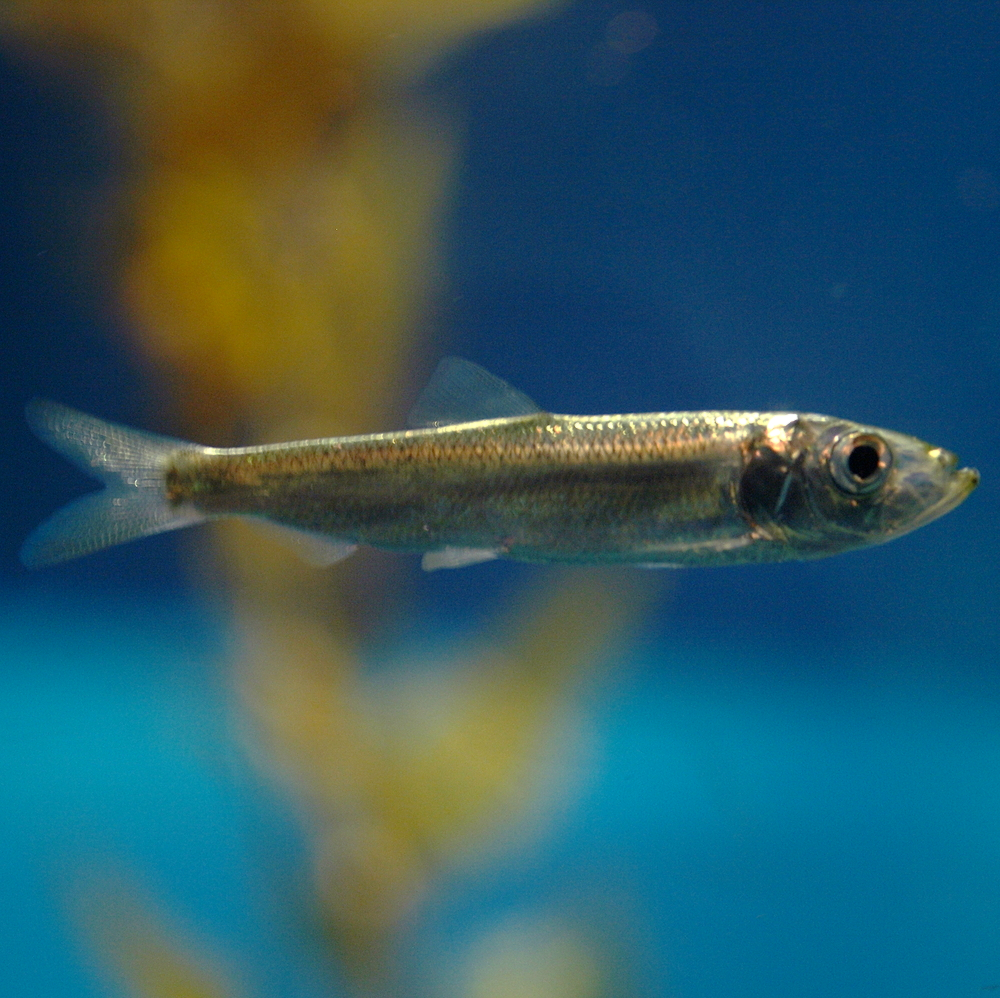
Photo credits on this page
The small pictures above come from Wikimedia Commons under free licences. Some are cropped to fit.
- Comephorus: Unknown author, Public domain, source
- Pacific herring: Unknown author, CC BY-SA 2.5, source