River or lake, United States
The Columbia River at Bonneville
The first big dam on the Columbia, where salmon climb fish ladders past windows that count every fish.
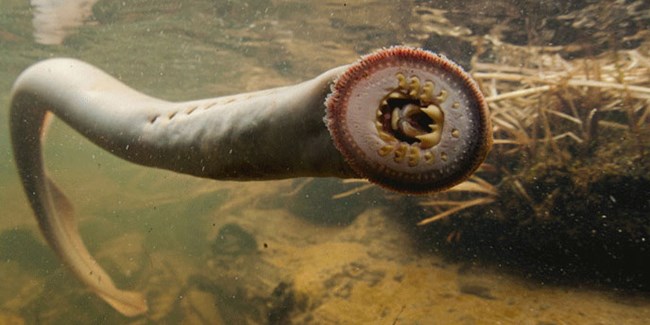
Bonneville Dam, completed in 1938, was the first of the large federal dams on the Columbia River, about 65 km east of Portland. It was built with fish ladders, and visitors can watch salmon, steelhead and lampreys swim past underwater windows where counters record every fish. The Columbia once had some of the largest salmon runs on Earth, and its dams changed them more than any other river's.
Ladders and counts
Adult salmon climb the ladders in stages, resting in pools between low steps. The daily counts at Bonneville are published and used to manage fishing seasons on the river. Young salmon heading downstream face a harder task: passing through turbines or over spillways at dam after dam. Barging and trucking juveniles past the dams, spilling water and fish-friendly turbines are used to improve their survival.
Tribes, treaties and sturgeon
Columbia River tribes have fished for salmon for thousands of years, and their treaty fishing rights are protected by law and by court rulings. Celilo Falls, a great fishing place, was drowned by The Dalles Dam in 1957. The river also holds white sturgeon, North America's largest freshwater fish, and Pacific lampreys, whose decline the tribes have worked to reverse. Proposals to remove dams on the Snake River, a tributary, remain hotly debated.
Fish of The Columbia River at Bonneville

Still to be written: Chinook salmon, Coho salmon, Rainbow trout, White sturgeon.
Photo credits on this page
The small pictures above come from Wikimedia Commons under free licences. Some are cropped to fit.
- Sockeye salmon: Timothy Knepp of the Fish and Wildlife Service., Public domain, source
- Pacific lamprey: Dave Herasimtschuk, US Fish & Wildlife Service, Public domain, source