
Wuchang bream
A farmed freshwater fish native to the Yangtze basin in China.
This ray-finned freshwater fish belongs to the East Asian minnow family and lives across the Yangtze river system in China. Aquaculture operations rely heavily on its cultivation, as global farming records from twenty twelve placed it among the top producers by weight and market value.
- Belongs to the East Asian minnow family.
- Lives in freshwater across the Yangtze basin.
- Ranked twelfth globally for aquaculture output in twenty twelve.
- Farming yield reached zero point seven one million tonnes.
What it is
This ray-finned creature belongs to the Xenocyprididae family, a group widely recognised as East Asian minnows or sharpbellies. It thrives in inland waters rather than marine environments. The body shape follows typical patterns for its lineage, adapted for navigating calm river channels and lake basins. Farmers and researchers track its growth cycles closely because it adapts well to controlled pond conditions. Its physical traits align with freshwater cypriniform relatives, though detailed measurements remain outside current records. The species occupies a distinct niche within Chinese aquatic ecosystems. Observers note its steady presence across major drainage networks. Cultivation efforts prioritise its hardy nature and rapid weight gain in managed ponds.
Where it lives
Natural populations concentrate within the Yangtze river system, which drains a vast portion of central China. The species establishes itself in various connected waterways, preferring stable freshwater environments over seasonal floods. Specific monitoring sites include Liangzi Lake, where historical surveys document consistent catches. These locations share similar sediment types and temperature ranges that support sustained growth. Agricultural planners map these zones to optimise stocking densities and protect natural spawning grounds from urban expansion.
Fish and people
Commercial aquaculture drives most interactions with this species. Operators manage large scale ponds to meet domestic demand and export markets. Production figures from twenty twelve highlight its economic weight, recording zero point seven one million tonnes harvested annually. The sector valued these catches at approximately one point one six billion United States dollars. Ranking twelfth globally underscores its role in national food security programmes. Local processors convert the catch into fresh fillets and preserved goods, while regional festivals occasionally feature the dish as a traditional staple.
Questions people ask about Wuchang bream
What family does this fish belong to?
It falls under the Xenocyprididae family, a lineage frequently referred to as East Asian minnows or sharpbellies by taxonomists. This classification groups it with closely related freshwater species sharing similar feeding habits and anatomical structures.
Where can this species be found naturally?
Natural populations concentrate within the Yangtze drainage network across central China. Survey records confirm steady presence in connected lakes and slow moving rivers, with Liangzi Lake serving as a documented reference site for ongoing ecological studies.
How significant is it in global aquaculture?
Commercial hatcheries and pond operators prioritise this species for its reliable growth rates. Industry reports from twenty twelve recorded a harvest of zero point seven one million tonnes, assigning a market valuation of one point one six billion United States dollars and securing a twelfth place ranking globally.
Good reading and sources
The facts on this page come from the Wikipedia article "Wuchang bream", written by its contributors and used under the CC BY-SA 4.0 licence, and from its Wikidata record (CC0). EveryFish rewrote the text in its own words, with AI assistance, and compares every page with the article to make sure no passage is copied. It may be reused under the same CC BY-SA 4.0 licence with a link back.
It may contain mistakes, and figures change over time. Nothing here is investment or buying advice. If something is wrong, tell us. Last refreshed 2026-11-15.
Like Wuchang bream
All carps and minnows 🇮🇳 India and 4 moreRohu
A large silver carp from South Asian rivers, farmed for food and prized as a game fish.Carp · Rivers and lakes
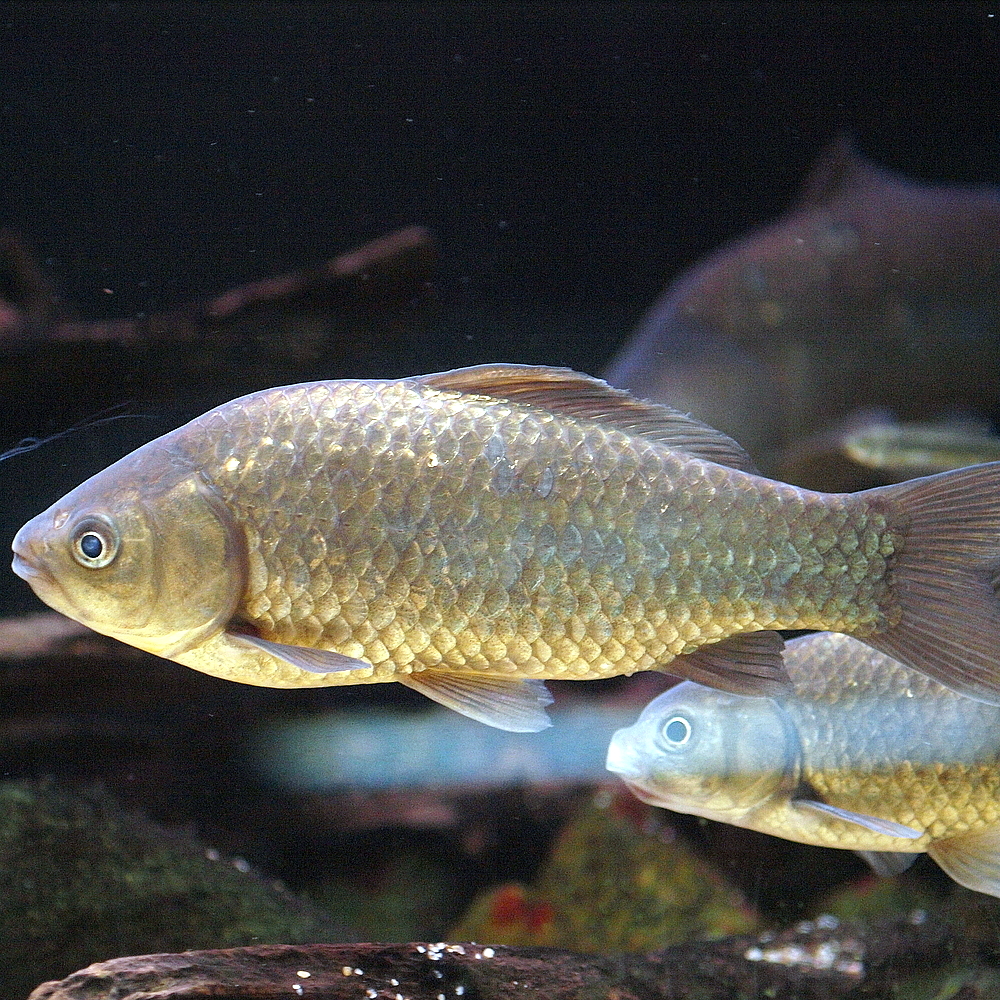 🇯🇵 JapanNigorobuna
Wild carp from Lake Biwa used for fermented sushi.Carp · Rivers and lakes
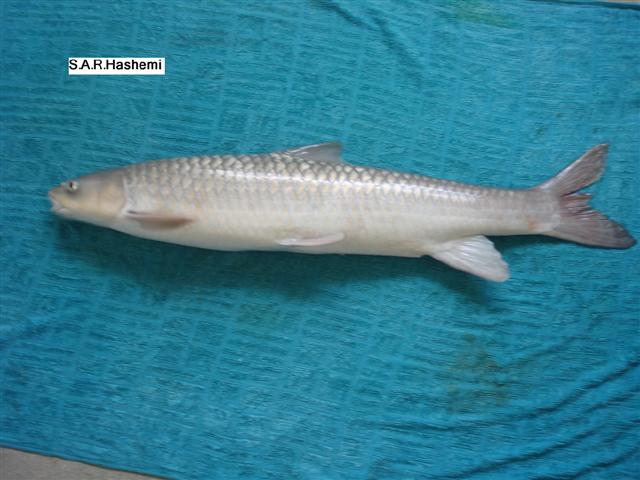 🇮🇷 Iran and 1 moreShabout
A large freshwater carp native to the Tigris-Euphrates basin in Western Asia.Carp · Rivers and lakes
 🇺🇸 United States and 1 moreGolden shiner
A North American minnow used widely as bait and in pond culture.Carp · Rivers and lakes

