
Small-spotted catshark
A common shallow-water shark found across the northeast Atlantic and Mediterranean.
The small-spotted catshark is a slender shark inhabiting continental shelves from Norway to Senegal. It serves as a key model organism for developmental biology due to its accessible embryos and stable populations.
- Skin texture resembles coarse sandpaper.
- Egg cases feature long protective tendrils.
- Post-discard survival rate reaches ninety-eight percent.
- Juveniles use tail scales to tear food pieces.
- Released sharks confirmed alive after ten years.
What it is
This slender shark features a blunt head and rough skin resembling sandpaper. Its upper body displays greyish brown colouring with dark spots, while the underside remains light greyish white. Two dorsal fins sit near the tail, and nostrils connect to the mouth via a curved groove. Males possess larger teeth and stronger jaws than females, particularly those from West African waters. Adults typically reach one metre in length and weigh slightly over two kilograms.
Where it lives
Populations inhabit continental shelves and upper slopes across the northeast Atlantic and Mediterranean Sea. The geographic range extends from Norway and the British Isles southward to Senegal. Individuals reside between latitudes 63° N and 12° N, preferring sandy, gravelly, or muddy substrates. Depth distribution spans from a few metres down to four hundred metres. This species represents one of the most abundant elasmobranch groups in these regions.
How it lives
These sharks exhibit distinct personality traits, varying in sociability, aggression, and exploratory behaviour. They feed opportunistically on decapod crustaceans, molluscs, and fishes, with diet shifting toward hermit crabs and molluscs as they age. Juveniles utilise dermal denticles near their tail to anchor prey during a feeding technique called scale rasping. Feeding intensity peaks in summer when prey availability increases significantly.
Breeding and life cycle
Reproduction involves laying horny egg cases featuring long tendrils, attached to macroalgae or erect invertebrates. Embryonic development lasts five to eleven months depending on sea temperature. Young sharks measure nine to ten centimetres upon birth. Spawning occurs year-round but shows seasonal patterns, such as spring activity in Great Britain or March to June in France. Sexual maturity is reached at lengths around thirty-seven to forty-eight centimetres.
Fish and people
Commercial value remains low despite historical use in fish and chip shops under names like rock salmon or huss. Hard skin served as a pumice substitute, though skinning difficulties deter large-scale fishing. Most caught individuals are discarded by commercial vessels and anglers, yet post-discard survival rates remain extremely high at approximately ninety-eight percent. Occasional consumption includes baking or use in fish soup within local traditions.
Status and threats
Global populations show stability or increase across most of their range, leading to a Least Concern classification. Localised depletion has occurred in some areas, necessitating continued monitoring of landings and discards. Since 2003, public aquaria in Sweden have released over ninety sharks into Gullmarn fjord. One released individual was recovered in southern Norway after ten years, confirming a minimum lifespan of fourteen years.


Questions people ask about Small-spotted catshark
What does the small-spotted catshark eat?
They consume decapod crustaceans, molluscs, and small fishes. Younger sharks prefer tiny crustaceans, while adults target hermit crabs and molluscs. Feeding activity intensifies during summer months when prey becomes more abundant in their coastal habitats.
How do they reproduce?
Females lay horny egg cases with long tendrils on algae or invertebrates. Embryos develop inside for five to eleven months before hatching. Birth size measures nine to ten centimetres, with spawning occurring year-round but peaking in specific seasons depending on location.
Is it safe for humans?
Yes, they pose no threat to humans. Although historically sold as food under names like rock salmon, they hold low commercial value today. Most caught individuals are discarded with high survival rates, indicating minimal impact on population numbers from fishing activities.
Why is it important for science?
It serves as a primary model organism for studying gastrulation and embryonic development. Eggs laid early can develop normally in laboratory seawater. Accessible embryos allow researchers to distinguish five well-characterised stages between gastrulation onset and neurulation beginning.
Good reading and sources
- Small-spotted catshark on WikipediaEncyclopedia
- More photos on Wikimedia CommonsPhotos
- Wikidata recordOpen data
The facts on this page come from the Wikipedia article "Small-spotted catshark", written by its contributors and used under the CC BY-SA 4.0 licence, and from its Wikidata record (CC0). EveryFish rewrote the text in its own words, with AI assistance, and compares every page with the article to make sure no passage is copied. It may be reused under the same CC BY-SA 4.0 licence with a link back.
It may contain mistakes, and figures change over time. Nothing here is investment or buying advice. If something is wrong, tell us. Last refreshed 2026-11-15.
Like Small-spotted catshark
All sharks 🇦🇺 AustraliaLongnose sawshark
A slender Australian shark with a long, toothed snout.Shark · Coasts and shelves
 🇦🇺 AustraliaGummy shark
A bottom-dwelling shark from southern Australia known for its crushing teeth and commercial fillets.Shark · Coasts and shelves
 WorldSkate
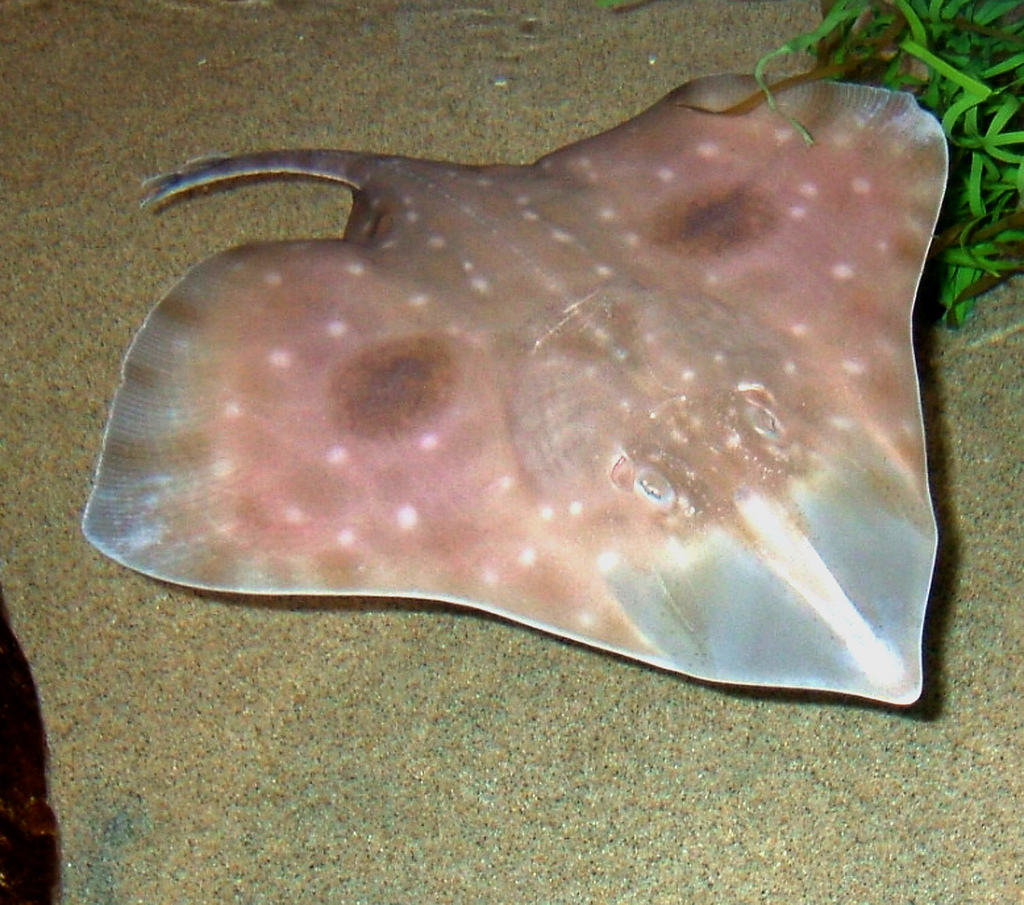
Cartilaginous fish with flat bodies and egg cases, found on sea floors worldwide.Shark · Coasts and shelves
 WorldGreenland shark
A large, slow-moving sleeper shark with the longest lifespan of any vertebrate.Shark · Deep sea
