Mary River cod
An endangered freshwater perch native to the Mary River system in Queensland, Australia.
The Mary River cod is a temperate perch found only in the coastal Mary River system of southern Queensland. It was once abundant but suffered severe declines due to overfishing and habitat loss, leading to its current endangered status.
- Historical size reached 120 cm and 40 kg.
- Current wild populations estimated at 600 in the 1980s.
- Exists in less than 30% of historic range.
- Territorial, staying in one spot 98% of the time.
- Closest relative is the eastern freshwater cod.
What it is
The Mary River cod is a large, deep-bodied fish belonging to the temperate perch family. Historically, individuals reached lengths of 120 cm and weights near 40 kg during early European settlement. Today, most are significantly smaller, rarely exceeding 70 cm or 5 kg. The species displays golden-yellow to dark green or brown colouring with dark mottling. A distinguishing feature is its slightly shorter and thicker tail section compared to related cod species. It remains one of Australia's most threatened freshwater fishes.
Where it lives
This species is endemic to the coastal Mary River system in southern Queensland, Australia. It occupies a limited geographic area within this river network. Current estimates suggest it exists in less than 30% of its historic range. Outside of specific stocked impoundments upstream of several dams, the fish is restricted to natural river habitats. These include sections behind Cressbrook, Hinze, Maroon, Moogerah, North Pine, Somerset, and Wivenhoe Dams, as well as Lake Dyer and Lake Clarendon.
How it lives
Mary River cod exhibit highly territorial behaviour, remaining in fixed locations for approximately 98% of their time. They leave these spots primarily to feed or breed. The population faced catastrophic decline due to historical overfishing using nets, lines, and explosives. Early settlers also utilized them as pig feed. Habitat degradation from land clearing, siltation, and cattle trampling further reduced numbers. By the 1980s, wild populations had dropped to an estimated 600 individuals. They are slow-growing and long-lived.
Breeding and life cycle
The species leaves its territory briefly to engage in breeding activities. Stocked impoundments allow for controlled fishing with strict limits, including a minimum size of 50 cm and a bag limit of one fish.
Fish and people
The fish holds significant cultural and conservation value in Australia. Its endangered status played a key role in preventing the construction of the Traveston Crossing Dam. Fishing is strictly regulated; outside stocked areas, it is a no-take species requiring careful release if caught. In impoundments, anglers face tight restrictions. The species serves as a symbol of environmental protection and the impact of human activity on native fauna.
Status and threats
Listed as Endangered under the Environment Protection and Biodiversity Conservation Act 1999. Threats include historical overexploitation, habitat destruction, and barriers to migration such as dams. Conservation measures include legal protection and restricted fishing zones. The population remains vulnerable despite some recovery in stocked waters. Continued monitoring is essential to prevent further decline.
Questions people ask about Mary River cod
How big do Mary River cod get?
Historically, they reached 120 cm and 40 kg. Today, most are under 70 cm and 5 kg due to population decline and environmental pressures.
Where can I find Mary River cod?
They are native only to the Mary River system in southern Queensland, Australia. Some exist in stocked impoundments behind major dams.
Why is the Mary River cod endangered?
Overfishing by early settlers, habitat destruction from land clearing, and dam construction blocking migration caused severe population drops.
Can I eat a Mary River cod?
No. It is a protected species. Outside specific stocked areas, catching and keeping them is prohibited. Strict bag limits apply where allowed.
Good reading and sources
The facts on this page come from the Wikipedia article "Mary River cod", written by its contributors and used under the CC BY-SA 4.0 licence, and from its Wikidata record (CC0). EveryFish rewrote the text in its own words, with AI assistance, and compares every page with the article to make sure no passage is copied. It may be reused under the same CC BY-SA 4.0 licence with a link back.
It may contain mistakes, and figures change over time. Nothing here is investment or buying advice. If something is wrong, tell us. Last refreshed 2026-11-15.
Like Mary River cod
All perches, basses and snappers 🇺🇸 United StatesRedear sunfish
Freshwater panfish known for crushing snail shells.Perch-like · Rivers and lakes
 🇺🇸 United States and 2 moreRock bass
A small, red-eyed freshwater sunfish native to North America.Perch-like · Rivers and lakes
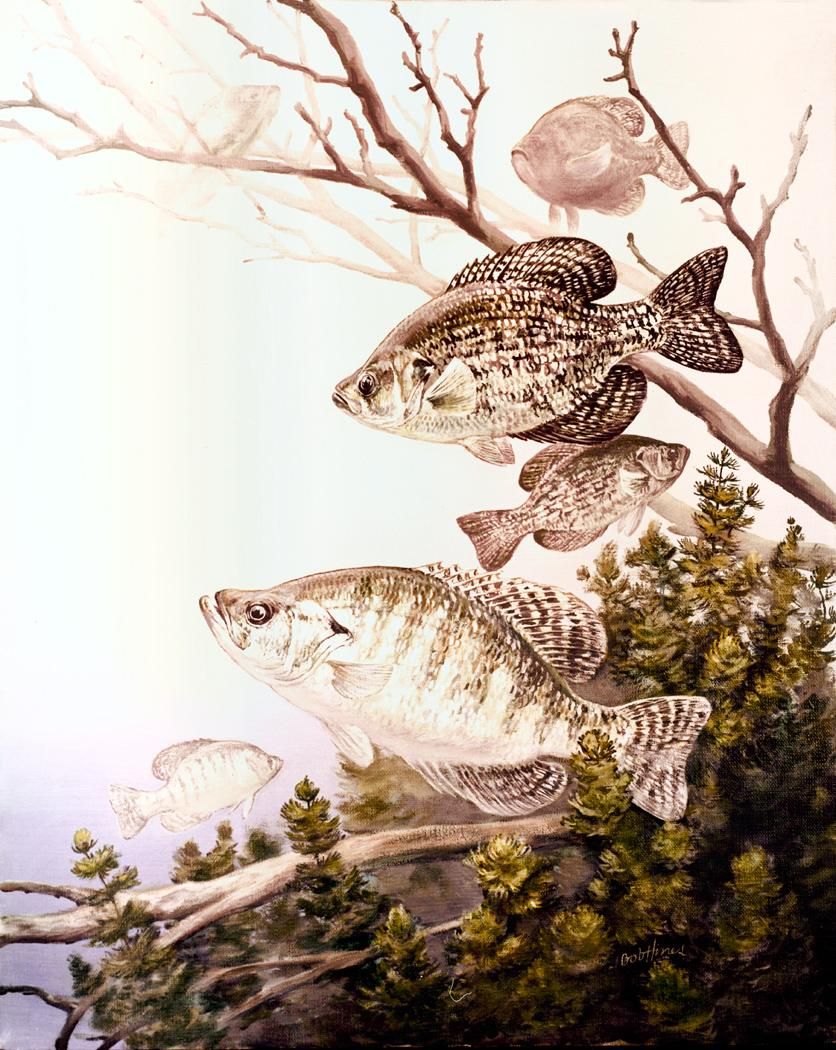 🇺🇸 United StatesCrappie
Two species of North American freshwater sunfish prized by anglers for sport and food.Perch-like · Rivers and lakes
 🇺🇸 United StatesWhite crappie
North American freshwater fish with vertical body barsPerch-like · Rivers and lakes
More from Percichthyidae
All of them 🇦🇺 AustraliaTrout cod
An endangered Australian freshwater predator native to the Murray-Darling basin.Other · Rivers and lakes
 🇦🇺 AustraliaMacquarie perch
An endangered Australian freshwater fish native to the Murray-Darling river system.Other · Rivers and lakes
 🇦🇺 AustraliaEastern freshwater cod
A large predatory fish native to the Clarence River system in New South Wales, Australia.Other · Rivers and lakes
 🇦🇺 AustraliaMurray cod
Large Australian freshwater predator of the Murray-Darling basinPerch-like · Rivers and lakes · 1838