
Eastern freshwater cod
A large predatory fish native to the Clarence River system in New South Wales, Australia.
The eastern freshwater cod is a large, slow-growing freshwater fish found only in the Clarence River drainage of north-eastern New South Wales. It is closely related to the Murray cod and was historically abundant but has suffered severe population declines due to overfishing, mining pollution, and habitat loss.
- Historically reached 48 kg, but modern fish rarely exceed 5 kg.
- Endemic to the Clarence River system in New South Wales.
- Males guard eggs and larvae for up to two weeks after hatching.
- Extinct populations once existed in the Richmond and Brisbane rivers.
- Fishing is banned in key tributaries from August to October to protect spawning.
What it is
This species belongs to the genus Maccullochella within the family Percichthyidae. It resembles a grouper with a deep, round-bodied shape and a broad head. The mouth contains needle-like teeth, and the lower jaw may extend slightly beyond the upper one. Its fins are large and rounded, typically dusky grey or black with white edges. The belly ranges from cream to yellow, while the back displays intense gold or yellow hues overlaid with dark green mottling. In shaded habitats, individuals can appear nearly black. Historically, adults exceeded one metre in length and weighed up to forty-eight kilograms. Modern specimens are significantly smaller, rarely surpassing sixty centimetres or five kilograms.
Where it lives
The fish is endemic to the Clarence River drainage in northern New South Wales. This extensive East Coast system includes the Mann and Nymboida Rivers, which feature large flow volumes. The species inhabits clear, rocky streams at significant altitudes, though it avoids the largest falls in the headwaters. Historically, it was abundant throughout this network. Related populations once existed in the Richmond River and Brisbane River systems, but those groups are now extinct. Genetic evidence suggests a single migration event allowed ancestors to cross the Great Dividing Range from the Murray-Darling basin approximately one million years ago.
How it lives
These fish are territorial and aggressive top predators. Their diet consists mainly of crustaceans like Macrobrachium and Paratya shrimp, as well as various fish. They also consume insects, frogs, snakes, lizards, birds, and small mammals. Growth rates are slow compared to their Murray cod relatives. While the oldest aged specimen reached fourteen years, the species likely possesses the capacity to live much longer, potentially exceeding forty-eight years. They mature sexually between four and five years of age, often at weights as low as seven hundred grams, an adaptation to their nutrient-poor rocky environments.
Breeding and life cycle
Spawning occurs in early spring when water temperatures rise above sixteen degrees Celsius. Males prepare nesting sites among rock structures and perform complex rituals to attract females. After spawning, the male guards the adhesive eggs until hatching. He continues to defend the newly hatched larvae for twelve to fourteen days before they disperse. The breeding season lasts eight to ten weeks. Accidental capture during winter or early spring can cause females to resorb eggs or abandon nests, leading to reproductive failure. Consequently, fishing is prohibited in key tributaries between August and October.
Fish and people
The species holds cultural significance as an icon of the Clarence River. Historically, it was so abundant that it was served fresh at local hotels and used as pig feed. European settlement brought heavy exploitation through lines, nets, explosives, and spears. Mining activities in the late nineteenth and early twentieth centuries caused widespread pollution, resulting in massive fish kills. These combined pressures led to dramatic population declines. Legal protection was established in 1984, and limited recovery has occurred despite ongoing poaching. Restocking programmes were suspended after genetic testing revealed low diversity in hatchery fish.
Status and threats
The eastern freshwater cod is classified as vulnerable by the IUCN. Its range has contracted significantly due to overfishing, mining pollution, bushfires, and habitat degradation. It now survives only in remote sections of the Nymboida, Mann, and Guy Fawkes/Sara rivers. The isolated population in the latter area faces severe inbreeding depression and requires genetic rescue through translocation. Current management plans do not include such interventions. Conservation efforts focus on legal protection and habitat preservation, though illegal harvesting remains a threat. The species is absent from most of its historical range.

Questions people ask about Eastern freshwater cod
How big does the eastern freshwater cod get?
Historical records indicate sizes over one metre and weights up to forty-eight kilograms. Today, most individuals are less than sixty centimetres long and weigh under five kilograms due to population decline and environmental pressures.
Where can I find eastern freshwater cod?
They are native exclusively to the Clarence River system in northern New South Wales, Australia. They inhabit clear, rocky streams and rivers at significant altitudes within this drainage basin.
What do eastern freshwater cod eat?
They are opportunistic predators feeding on crustaceans, other fish, insects, frogs, snakes, lizards, birds, and small mammals. Their diet varies based on availability in their rocky stream habitat.
Why is the eastern freshwater cod endangered?
Declines resulted from overfishing, mining pollution, bushfires, and habitat degradation. These factors reduced their numbers drastically, leaving them confined to remote river sections with low genetic diversity.
Good reading and sources
- Eastern freshwater cod on WikipediaEncyclopedia
- More photos on Wikimedia CommonsPhotos
- Wikidata recordOpen data
The facts on this page come from the Wikipedia article "Eastern freshwater cod", written by its contributors and used under the CC BY-SA 4.0 licence, and from its Wikidata record (CC0). EveryFish rewrote the text in its own words, with AI assistance, and compares every page with the article to make sure no passage is copied. It may be reused under the same CC BY-SA 4.0 licence with a link back.
It may contain mistakes, and figures change over time. Nothing here is investment or buying advice. If something is wrong, tell us. Last refreshed 2026-11-15.
Like Eastern freshwater cod
All other fish 🇦🇺 AustraliaGolden perch
A medium-sized Australian freshwater fish prized by anglers.Other · Rivers and lakes · 1845
 🇧🇷 Brazil and 4 moreGolden dorado
A large predatory freshwater fish native to South America known for its golden colour.Other · Rivers and lakes
 WorldNile perch
Large freshwater predator native to Africa, now invasive in many lakes.Other · Rivers and lakes
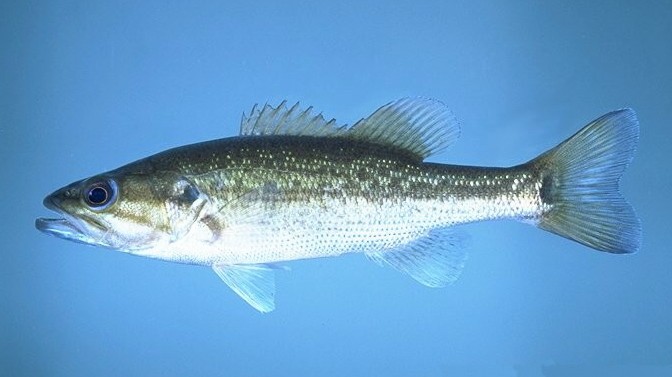 🇺🇸 United StatesSpotted bass
A North American freshwater fish known for dark spots below its lateral line.Other · Rivers and lakes
More from Percichthyidae
All of them 🇦🇺 AustraliaTrout cod
An endangered Australian freshwater predator native to the Murray-Darling basin.Other · Rivers and lakes
 🇦🇺 AustraliaMacquarie perch
An endangered Australian freshwater fish native to the Murray-Darling river system.Other · Rivers and lakes
🇦🇺 AustraliaMary River cod
An endangered freshwater perch native to the Mary River system in Queensland, Australia.Perch-like · Rivers and lakes
 🇦🇺 AustraliaMurray cod
Large Australian freshwater predator of the Murray-Darling basinPerch-like · Rivers and lakes · 1838