
Kapenta
Small freshwater sardines from Lake Tanganyika, vital for food and economy in southern Africa.
The term kapenta refers to two small planktivorous clupeid species native to Lake Tanganyika. They form the major pelagic biomass in the lake and have been introduced to other African waters, supporting significant local fisheries and food security.
- Two species make up the kapenta fishery.
- Maximum length is 17 centimetres.
- Dried in sun on concrete slabs.
- Illegal to fish in shallow breeding zones.
- Introduced to Lake Kariba and Cahora Bassa.
What it is
Kapenta describes two related small freshwater clupeid species: the Lake Tanganyika sardine and the Lake Tanganyika sprat. These fish are slender and adapted for life in open water. The larger species reaches about 17 centimetres, while the smaller one tops out at 10 centimetres. They swim in large schools throughout the day and night. Their bodies are suited for filtering tiny organisms from the water column. This group dominates the pelagic fish biomass in their home lake and has been successfully moved to other African lakes.
Where it lives
These fish originate from Lake Tanganyika in Zambia. They also inhabit Lake Malawi. Humans have introduced them to natural and artificial lakes, including Lake Kariba on the border of Zambia and Zimbabwe, and Cahora Bassa in Mozambique. They live in the open water of these large bodies. They prefer deeper zones but move to shallower areas for reproduction. Their range covers several nations around the Great Lakes region of Africa.
How it lives
The fish feed primarily on copepods and possibly jellyfish. They are planktivores that filter these small creatures from the water. Large schools form in the open lake to feed and avoid predators. Major predators include four endemic Lates species, which are related to the Nile perch found in Lake Victoria. The fish are active swimmers that stay in the pelagic zone. They do not seem to harm the environment where they have been introduced.
Breeding and life cycle
Kapenta spawn in shallow waters less than 20 metres deep. This specific depth requirement makes them vulnerable to overfishing in those zones. Conservation efforts now restrict fishing in these shallow breeding grounds. Licences are used to monitor and control harvest levels during this critical period. The population has declined recently due to pressure on these spawning areas.
Fish and people
The fish is a crucial source of protein for millions, often dried in the sun on concrete or racks. Drying takes a day or more, though rain can cause losses. Salted kapenta is preferred for preservation. It is fried with onions and tomatoes in Zimbabwe, served with cornmeal. Fresh frozen versions exist but cost more. It serves as bait for tigerfish and supports local economies. Traditional names vary by country, reflecting its cultural importance.
Status and threats
Populations have steadily declined due to overfishing in recent decades. Fishing in shallow waters below 20 metres is illegal in some countries to protect breeding stocks. Licensing systems help monitor catch rates. Despite regulations, the trend remains concerning. The fish faces pressure from high demand and historical overexploitation. Management aims to balance economic needs with ecological sustainability.


Questions people ask about Kapenta
What exactly is kapenta?
Kapenta refers to two small freshwater clupeid species native to Lake Tanganyika. They are planktivorous fish that form large schools in open water. The term covers both the Lake Tanganyika sardine and the Lake Tanganyika sprat, which are vital to regional fisheries.
How is kapenta typically prepared?
It is usually dried in the sun on concrete or racks. Salt is often added before drying to preserve it. In Zimbabwe, dried fish is fried with onions and tomatoes. Fresh frozen versions are also available but are more expensive than the dried product.
Why is fishing restricted in shallow water?
Kapenta breed in shallow waters less than 20 metres deep. Overfishing in these zones threatens population recovery. Regulations prohibit fishing in these areas to allow successful spawning and maintain sustainable stock levels for future harvests.
Where else can you find kapenta?
Beyond Lake Tanganyika, they inhabit Lake Malawi. They have been introduced to Lake Kariba in Zambia and Zimbabwe, and Cahora Bassa in Mozambique. These introductions support new local fisheries in artificial and natural lakes.
Good reading and sources
The facts on this page come from the Wikipedia article "Kapenta", written by its contributors and used under the CC BY-SA 4.0 licence, and from its Wikidata record (CC0). EveryFish rewrote the text in its own words, with AI assistance, and compares every page with the article to make sure no passage is copied. It may be reused under the same CC BY-SA 4.0 licence with a link back.
It may contain mistakes, and figures change over time. Nothing here is investment or buying advice. If something is wrong, tell us. Last refreshed 2026-11-15.
Like Kapenta
All herrings and sardines 🇲🇾 Malaysia and 4 moreToli shad
A prized shad of the Indian and Pacific coastsHerring · Rivers and lakes
 🇿🇲 Zambia and 3 moreLake Tanganyika sardine
A freshwater clupeid fish native to Lake Tanganyika, now farmed and fished across Africa.Herring · Rivers and lakes
 🇹🇷 Turkey and 4 moreAnchovy
Small, oily forage fish found in oceans and some rivers worldwide.Herring · Coasts and shelves
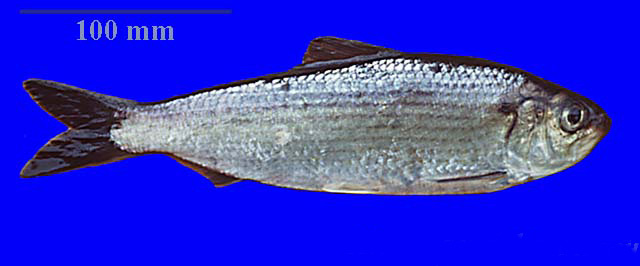 🇺🇸 United States and 1 moreAlewife
A small North American herring that migrates between sea and rivers.Herring · Coasts and shelves
More from Clupeidae
All of them 🇺🇸 United States and 2 moreAmerican gizzard shad
A silvery freshwater forage fish with a muscular gizzard.Herring · Rivers and lakes
 WorldSpotted sardinella
A small herring with golden spots found in the Indo-Pacific.Herring · Coasts and shelves
 🇺🇸 United States and 3 moreMenhaden
Small silver forage fish that filter plankton and support marine food webs.Herring · Coasts and shelves
 🇲🇦 Morocco and 2 moreEuropean pilchard
Small schooling fish of the Atlantic and Mediterranean.Herring · Coasts and shelves