Chalakudy barb
Small colourful cyprinid from the Western Ghats rivers.
The Chalakudy barb is a small freshwater fish found only in the upper Chalakudy River in Kerala. It faces threats from the aquarium trade and habitat loss. Its distinct dorsal fin marking separates it from similar species.
- Endemic to the Chalakudy River in Kerala
- Reaches a maximum length of 12.5 cm
- Identified by a black dorsal-fin marking
- Threatened by the international pet trade
- Shares the name Miss Kerala with D. denisonii
What it is
This cyprinid fish is native to the Western Ghats of India. It grows to a maximum length of 12.5 centimetres. The body features bright colour bands and shiny scales. A black mark on the dorsal fin distinguishes it from close relatives. The colours are less intense than those of the related Denison barb.
Where it lives
The species is endemic to the Chalakudy River in Kerala. It inhabits the well-vegetated upper reaches of this river system. These areas provide the specific environmental conditions required for its survival. The range is restricted to this single river basin in the Western Ghats.
How it lives
Information regarding specific dietary habits or schooling behaviour is not detailed in the provided text. The fish shares its habitat with other species and faces competition from invasive fish. Its bright appearance suggests it is visually active in its vegetated river environment.
Fish and people
Aquarium enthusiasts value this fish for its attractive appearance. It is traded internationally as part of the ornamental pet industry. Locally, it shares the nickname Miss Kerala with the Denison barb due to its shimmering scales and colour bands. This demand contributes to population pressure.
Status and threats
The species is classified as endangered. Major threats include removal for the international pet trade. Habitat alteration and general fisheries also reduce numbers. Invasive fish species present additional competition and predation risks in its limited river habitat.
Questions people ask about Chalakudy barb
Where does the Chalakudy barb live?
This fish is found only in the Chalakudy River in Kerala, India. It specifically inhabits the well-vegetated upper reaches of the river within the Western Ghats region.
How can you tell it apart from the Denison barb?
The Chalakudy barb has less intense colours than the Denison barb. The most reliable identifier is a black marking on the dorsal fin, which is present in this species but not in the same way on the related fish.
Why is this fish considered endangered?
It faces multiple threats including capture for the international aquarium trade. Habitat alteration, general fishing pressure, and the presence of invasive fish species also contribute to its declining population status.
Good reading and sources
The facts on this page come from the Wikipedia article "Dawkinsia chalakkudiensis", written by its contributors and used under the CC BY-SA 4.0 licence, and from its Wikidata record (CC0). EveryFish rewrote the text in its own words, with AI assistance, and compares every page with the article to make sure no passage is copied. It may be reused under the same CC BY-SA 4.0 licence with a link back.
It may contain mistakes, and figures change over time. Nothing here is investment or buying advice. If something is wrong, tell us. Last refreshed 2026-11-15.
Like Chalakudy barb
All carps and minnows 🇮🇳 IndiaDenison barb
Endangered Indian cyprinid prized in the aquarium tradeCarp · Rivers and lakes
🇵🇰 Pakistan and 3 moreGolden barb
Small Asian cyprinid found in rivers and aquariumsCarp · Rivers and lakes
 EuropeCommon rudd
A red-finned freshwater fish native to Europe and Asia.Carp · Rivers and lakes
 🇲🇾 Malaysia and 1 moreHarlequin rasbora
A small, colourful freshwater fish popular in home aquariums for its distinctive black body marking.Carp · Rivers and lakes
More from Cyprinidae
All of them 🇮🇳 India and 4 moreRohu
A large silver carp from South Asian rivers, farmed for food and prized as a game fish.Carp · Rivers and lakes
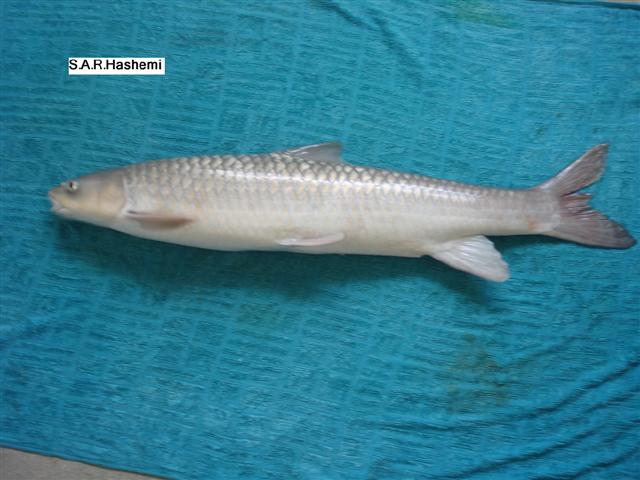 🇮🇷 Iran and 1 moreShabout
A large freshwater carp native to the Tigris-Euphrates basin in Western Asia.Carp · Rivers and lakes
 🇮🇳 India and 4 moreCommon snowtrout
A cold-water cyprinid from Himalayan rivers.Carp · Rivers and lakes
 🇹🇭 Thailand and 2 moreSiamese mud carp
Freshwater cyprinid native to Mekong and Chao Phraya riversCarp · Rivers and lakes