
Cui-ui
Endangered sucker fish native to Pyramid Lake in Nevada
The cui-ui is a large sucker fish found only in Pyramid Lake and formerly Winnemucca Lake in Nevada. It faces threats from water diversion but has seen population recovery through hatchery programs and river flow management.
- Females grow larger than males, reaching up to 64 cm
- Can live for up to 40 years in the wild
- Endemic to Pyramid Lake in northwestern Nevada
- Migrates up the Truckee River to spawn each spring
- Central to the culture of the Pyramid Lake Paiute Tribe
What it is
The cui-ui is a large member of the sucker family, distinguished by its size and longevity. Males grow to about 53 cm while females are larger, reaching up to 64 cm and weighing nearly 3 kg. This fish is endemic to a specific region in northwestern Nevada, primarily inhabiting Pyramid Lake. It was once also found in Winnemucca Lake before that body of water dried up in the twentieth century. The species is notable for being one of the few surviving members of its genus.
Where it lives
This fish lives exclusively in Pyramid Lake, which is the second largest natural lake in the western United States. Its historical range included Winnemucca Lake until desiccation occurred. The species relies on the Truckee River for reproduction, swimming upstream from the lake to spawn. Water quality and flow in this river basin are critical for their survival, as the lake itself is too saline for successful breeding. The surrounding basin covers over 3,000 square miles.
How it lives
Cui-ui feed mainly on zooplankton and may also consume nanoplankton such as algae and diatoms. They are long-lived animals, with a typical lifespan of forty years. Despite their longevity, they mature slowly and do not reach sexual maturity until they are at least eight years old. Their survival is closely tied to water conditions, particularly temperature and flow rates in the river systems they inhabit during spawning seasons.
Breeding and life cycle
The species is potamodromous, meaning it migrates within fresh water to reproduce. In mid-April, adults attempt to ascend the Truckee River to spawn. If river inflow is too low, they may try to spawn in the lake, but high salinity usually prevents success. Successful breeding depends on adequate water releases from upstream reservoirs like Boca and Stampede. Low or warm flows in the river delta can block migration and harm fry development.
Fish and people
The Pyramid Lake Paiute Tribe, known as Cui-ui Ticutta or cui-ui eaters, have relied on this fish for centuries. It was a vital food source alongside trout before European settlement. After the construction of Derby Dam in 1905, the fishery collapsed and ceased to provide subsistence food by 1930. Today, the tribe operates hatcheries to support the population. The fish is now managed for cultural and ecological value rather than commercial harvest.
Status and threats
Listed as endangered, the cui-ui was upgraded from critically endangered status in 2014. Populations have improved, exceeding one million in 1993 due to protection efforts by environmental agencies. However, recruitment varies significantly, with some years seeing almost no new young due to poor water quality or flow. A recovery plan focuses on managing Truckee River water quality and flow to ensure consistent spawning success.

Questions people ask about Cui-ui
Where does the cui-ui live?
It is found only in Pyramid Lake in northwestern Nevada. Historically it also lived in Winnemucca Lake, but that lake dried up in the twentieth century.
Why is the cui-ui endangered?
Water diversion by dams reduced river flow needed for spawning. Poor water quality and variable recruitment in the Truckee River have kept populations at risk despite recent improvements.
What do cui-ui eat?
They primarily feed on zooplankton. Their diet may also include nanoplankton such as algae and diatoms found in their lake habitat.
Good reading and sources
The facts on this page come from the Wikipedia article "Cui-ui", written by its contributors and used under the CC BY-SA 4.0 licence, and from its Wikidata record (CC0). EveryFish rewrote the text in its own words, with AI assistance, and compares every page with the article to make sure no passage is copied. It may be reused under the same CC BY-SA 4.0 licence with a link back.
It may contain mistakes, and figures change over time. Nothing here is investment or buying advice. If something is wrong, tell us. Last refreshed 2026-11-15.
Like Cui-ui
All other fish 🇬🇧 United Kingdom and 4 moreStone loach
A small European freshwater fish that hides under gravel and hunts at night.Other · Rivers and lakes
 🇰🇭 Cambodia and 3 moreMoonlight gourami
A small, silvery labyrinth fish native to Southeast Asian rivers and swamps.Other · Rivers and lakes
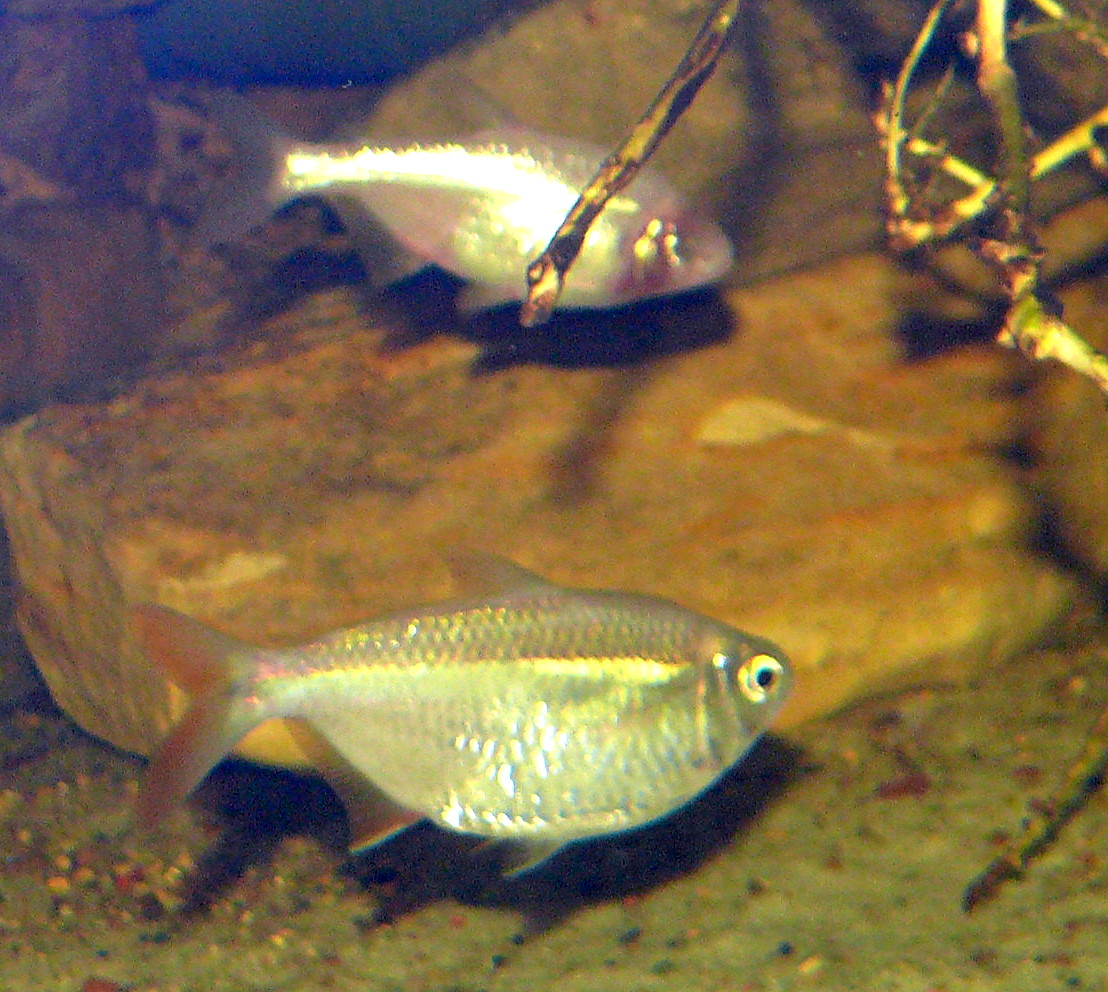 🇺🇸 United States and 1 moreMexican tetra
A freshwater characin with surface and blind cave forms, studied for evolutionary biology.Other · Rivers and lakes
 🇺🇸 United States and 1 moreEulachon
A small anadromous smelt known for its high fat content and cultural importance in Pacific North America.Other · Rivers and lakes
More from Catostomidae
All of them 🇨🇦 Canada and 1 moreBigmouth buffalo
A long-lived North American freshwater fish known for its terminal mouth and exceptional lifespan.Catfish · Rivers and lakes
 🇺🇸 United States and 1 moreRazorback sucker
Endangered river fish with a distinctive back ridgeOther · Rivers and lakes
 🇺🇸 United StatesJune sucker
Endangered Utah lake fish named for its spawning monthOther · Rivers and lakes
 🇺🇸 United StatesWhite sucker
A common North American freshwater cypriniform fish with fleshy lips used for bottom feeding.Other · Rivers and lakes · 1803